In brief
Kaliluni Primary in Kitui county now hosts only five students, down from over 200 three years ago, after Kenya’s new Competency‑Based Education (CBE) model pushed more than 2,000 schools toward closure. The shift to lower‑grade primary and the addition of junior secondary levels increased infrastructure demands, but rural schools lack laboratories, extra teachers and sufficient students. Families are forced to walk kilometres to alternative schools, while teachers juggle over‑crowded classes or are reassigned elsewhere, deepening educational inequity.
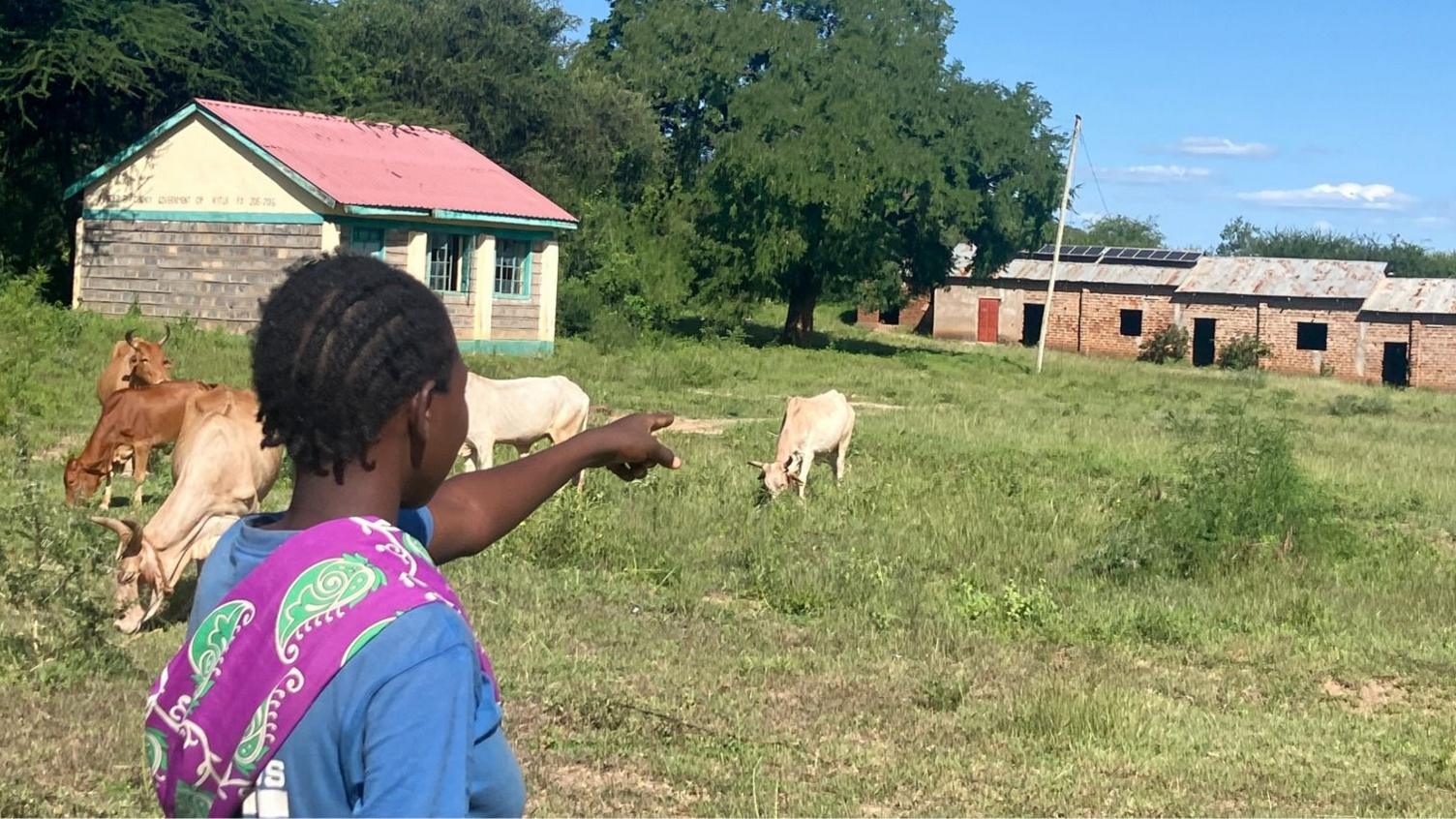
On a quiet morning at Kaliluni Primary in southern Kenya, cattle are the only schoolmates, grazing between broken classroom doors. Three years ago, more than 200 children filled the compound; today there are five pupils and an empty teacher's office on the day the BBC team visits.
Maureen Mwisiwa, 12, has been turning up to school for the past week to find herself alone. She says her mother is sending her to a school eight kilometres away because “I was hoping the government would restore operations here – bring more teachers and facilities to accommodate the new curriculum – but there is no hope.”
The new curriculum, introduced in 2017, called Competency‑Based Education (CBE) removes the final year of primary, creating a junior secondary stage (grades seven‑nine). Rural schools must therefore accommodate more classrooms and specialised teachers, yet many lack laboratories or adequate staff. Education experts warn that the shift has turned many villages into school deserts.
Kaliluni is not alone. Other schools in Kitui county – such as Sooma Primary and Manooni Primary – have shut or merged after enrolments fell to a handful of students. The Ministry has announced that 2,145 primary schools will close or merge to optimise resources; a minimum of 45 students is the threshold for viability.
“It makes no sense to have a school with just 10 students when you need a headmaster, a classroom, a watchman and a teacher,” said Education Minister Julius Ogamba, echoing a sentiment shared by teachers who have transferred to larger institutions.
The CBE curriculum should strengthen schools, especially for low‑income communities, not weaken them
Parents and teachers highlight a growing mismatch: few children are left in rural schools, yet new secondary schools in urban centres are struggling to absorb a sudden influx of students. The resulting overcrowding threatens safety and learning quality.
A small step beyond the story – the picture of cows in the school yard and the journey of students who walk for an hour to reach the next school – underlines how policy decisions ripple through everyday life. The debate continues as Kenya balances the promise of modernised schooling with the practical realities of resource scarcity in remote communities.