In brief
Keir Starmer's leadership of the Labour Party is under intense scrutiny after a series of damaging revelations concerning his former chief of staff's ties to Jeffrey Epstein. Starmer's attempts to salvage his authority are complicated by the resignation of Morgan McSweeney, who accepted responsibility for the controversy. With dissent growing among party lawmakers, Starmer is under pressure to quickly regain control and address pressing issues facing his government.
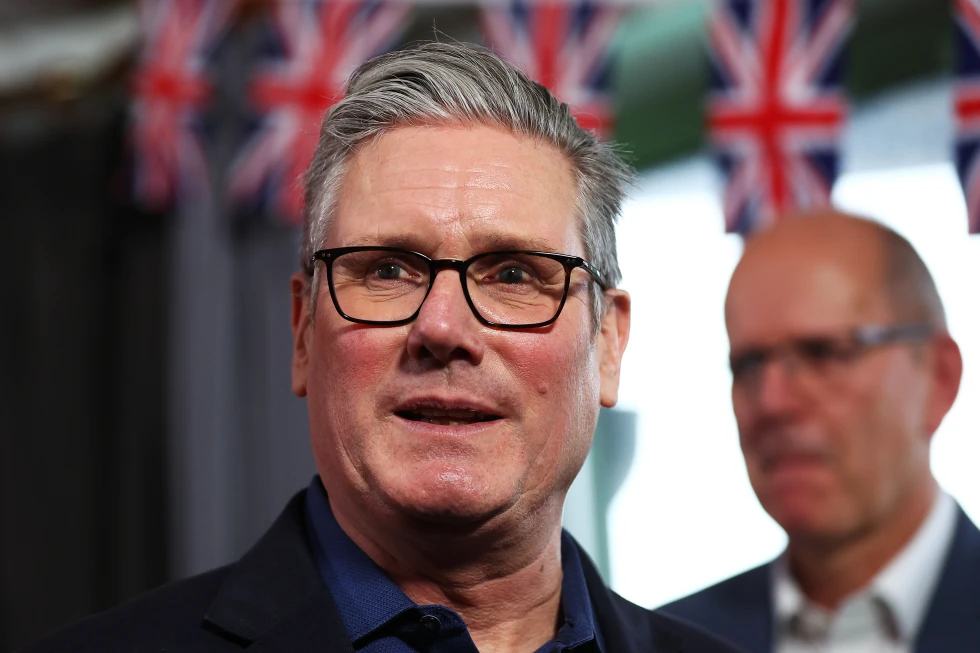
LONDON (Quanta) — British Prime Minister Keir Starmer is grappling with a leadership crisis as calls rise from within his Labour Party to reconsider his position, following detrimental revelations about his ties with the late financier Jeffrey Epstein.
Last Sunday, Starmer lost his chief of staff amid accusations linking Peter Mandelson to unethical relationships, which has led to diminishing support from party legislators.
Starmer addressed Labour members in an urgent closed-door meeting, seeking to restore authority after the controversy surrounding Mandelson's appointment as ambassador to Washington became public.
Critics argue that his decision to appoint Mandelson was ill-advised, given his known friendships with Epstein, particularly following letters that surfaced detailing their ongoing relationship even after Mandelson’s prior knowledge of Epstein's legal troubles.
Starmer had initially defended the appointment but later faced public backlash, leading to Mandelson's dismissal last month when damning emails came to light. With new disclosures from a recent trove of Epstein files, the pressure on Starmer has only intensified.
As Starmer struggles to reassure his party of his leadership capabilities, resignations within his inner circle, including McSweeney, have stirred the waters further. McSweeney publicly accepted blame for the appointment, arguing that his guidance led to the misstep.
In the face of diminishing rapport with legislators, Starmer took some respite with plans to release pertinent documentation regarding Mandelson's contentious appointment, which may indicate the former chief of staff's misrepresentation.
The unrest illustrates a broader concern for Starmer, who must navigate opposition from both within his party and from the opposition Conservative Party, led by Kemi Badenoch. The Conservative Leader has characterized Starmer's current predicament as unsustainable, warning of further political fallout if he fails to address these issues.
Starmer, once seen as a figure of unity after the Conservatives' term marred by scandal, now faces accusations of indecisiveness within his own ranks, as Labour consistently trails behind the far-right Reform UK party in public polls. The sentiment of alienation among party members has sparked discussions of potential leadership challenges, particularly in light of Starmer's difficulty in delivering on promised reforms amid ongoing economic struggles.
While some party officials remain steadfast in their support, there is a notable call for more decisive leadership amidst the chaos. Starmer must navigate through these internal challenges quickly, lest risk triggering further upheaval within his party.