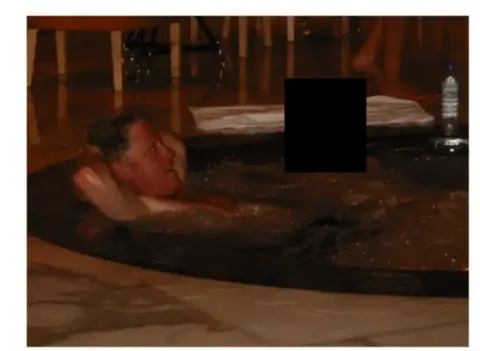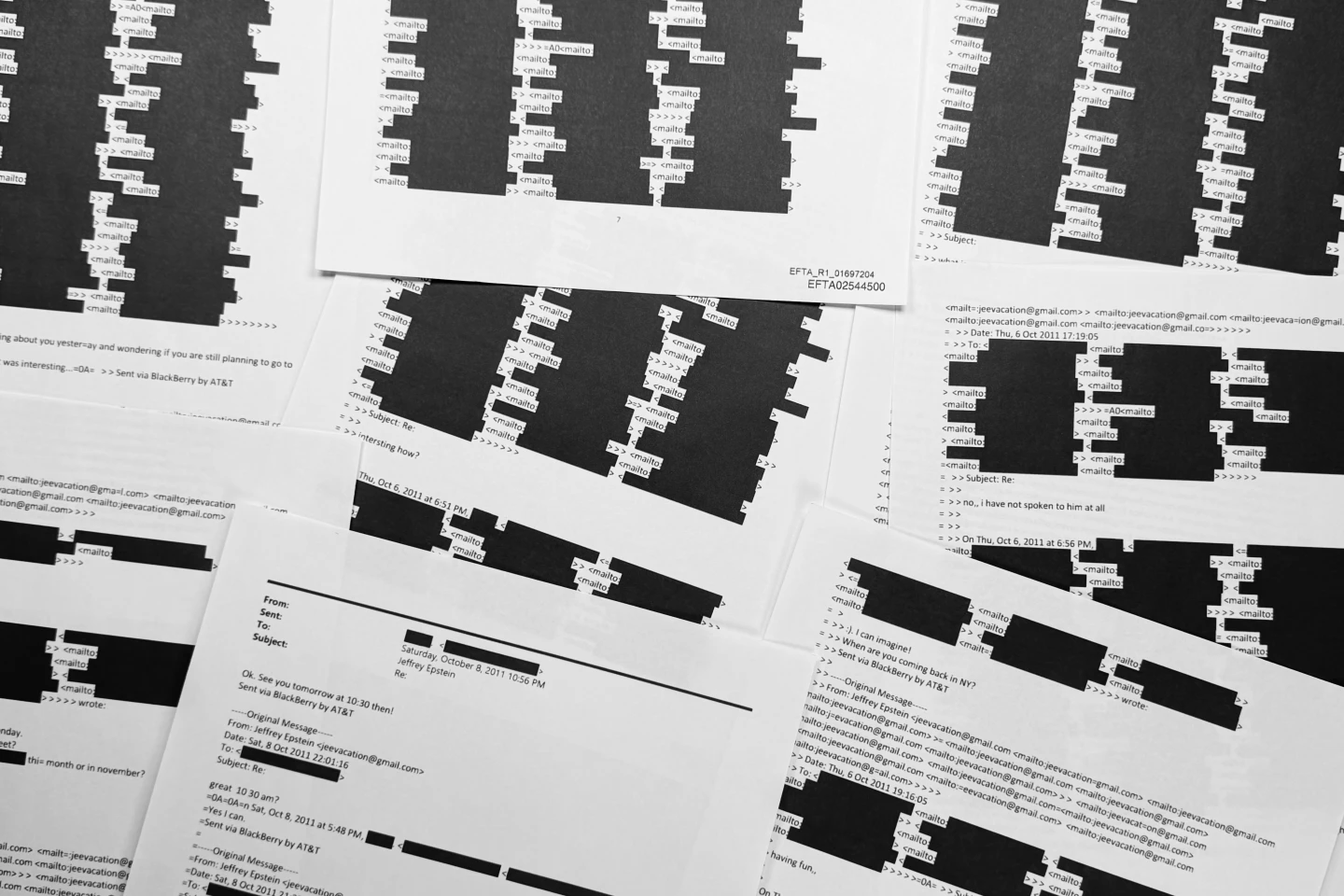
The recent release of documents by the U.S. Justice Department related to Jeffrey Epstein has sparked outrage after numerous errors resulted in sensitive information being made public. Nude photographs, names of sexual abuse victims, and other personal data were improperly redacted or not redacted at all, contradicting privacy laws designed to safeguard the identities of Epstein's victims.
One specific instance highlighted by news agencies includes a photo of a minor who provided Epstein sexualized massages, which was included without redaction. The Associated Press reported that they found countless examples of sensitive details that, if released, could endanger victims who were supposed to be protected.
Despite the Justice Department’s assurance that it was addressing the oversights, many photos, including those featuring nudity, remained publicly accessible as of the latest review. This has led advocacy groups and attorneys for the victims to demand the immediate removal of these documents and the appointment of an independent monitor to verify future compliance with redaction laws.
Victims, such as Annie Farmer—who was among those assaulted—spoke out against the careless handling of these documents, describing feelings of anger and disbelief at the lack of adequate protections for their privacy. She highlighted how her personally identifiable details were exposed, compounding the trauma already suffered due to the abuse.
In response to the widespread concern, a scheduled court hearing regarding this matter was briefly postponed as legal representatives considered potential recourse options against the ongoing failures related to the public release of these documents.
As the fallout continues, the Justice Department expressed it was under pressure to complete the massive task of reviewing millions of pages of records within a limited timeframe, but critics argue this cannot excuse the substantial risks posed to the victims involved.