In brief
A recent sandstorm swept through central and southern Iraq, resulting in reduced visibility and sending thousands to emergency rooms with respiratory problems. Experts warn that these extreme weather events are becoming more common driven by climate change and desertification in the region.
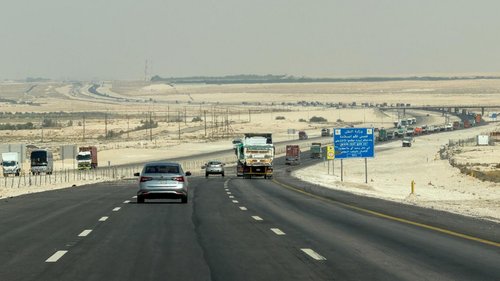
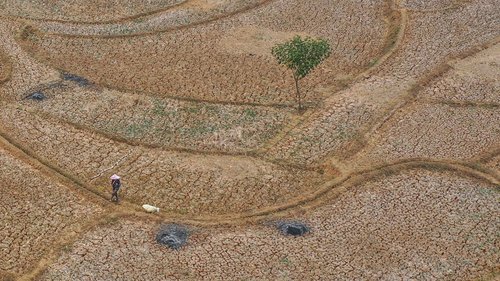
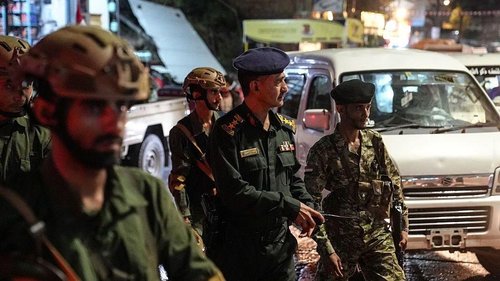
A severe sandstorm has swept across central and southern Iraq over the past few days, transforming skies into an eerie orange hue and drastically reducing visibility to under half a mile in certain areas. The situation escalated to the point that emergency rooms were inundated with thousands of patients suffering respiratory problems. As a precaution, at least two airports grounded flights due to the hazardous conditions.Iraq's meteorology department attributed the storm's genesis to "heavy waves of dust" originating in eastern Saudi Arabia, subsequently absorbing additional particles while traveling through southwestern Iraq. While sandstorms have historically been a part of Iraq's winter and early spring climate, recent patterns suggested that these phenomena are becoming increasingly severe and frequent, exacerbated by ongoing droughts and desertification that plague Iraq and its neighboring countries.This current storm has emerged as the most significant of 2025 so far, following a similarly impactful storm that paralyzed Baghdad last December, alongside other notable dust storms in 2022. According to the United Nations, Iraq ranks among the top five nations globally vulnerable to the effects of climate change, facing extreme temperatures and a diminishing water supply.Although the storm calmed by Tuesday, southern Iraq struggled with daily temperatures soaring above 100 degrees prior to the dust's arrival, which briefly obscured the sun and lowered temperatures. In response to the hazardous air quality, many residents resorted to protective face masks, with emergency personnel and police officers particularly affected while performing their duties outdoors. Widespread dust infiltrated homes and vehicles, leading to a pervasive coating that hindered work and indoor activities, prompting non-essential personnel to remain indoors. Iraq's health ministry reported over 3,700 cases of respiratory illness attributed to the storm, with the hardest-hit areas including Basra and Najaf. In Basra alone, more than 1,000 respiratory cases were documented, with high numbers also reported in neighboring Muthanna Province.In light of the storm's frightening effects, Basra's police department issued guidance for families, particularly aiming to alleviate children’s fears by explaining the unusual sounds accompanying the weather event. Alissa J. Rubin, a senior Middle East correspondent, continues to report on pressing issues throughout the region, including the impacts of long-term climate challenges.