Japan’s Kyushu Seismic Shockwave: 100+ Aftershocks Follow a 6.8-Magnitude Earthquake
The southwestern Kyushu region of Japan was jolted by a 6.8‑magnitude quake early Tuesday, leaving at least 13 dead and many more in distress. Rescue workers have already identified more than 100 aftershocks that continue to shake the area.
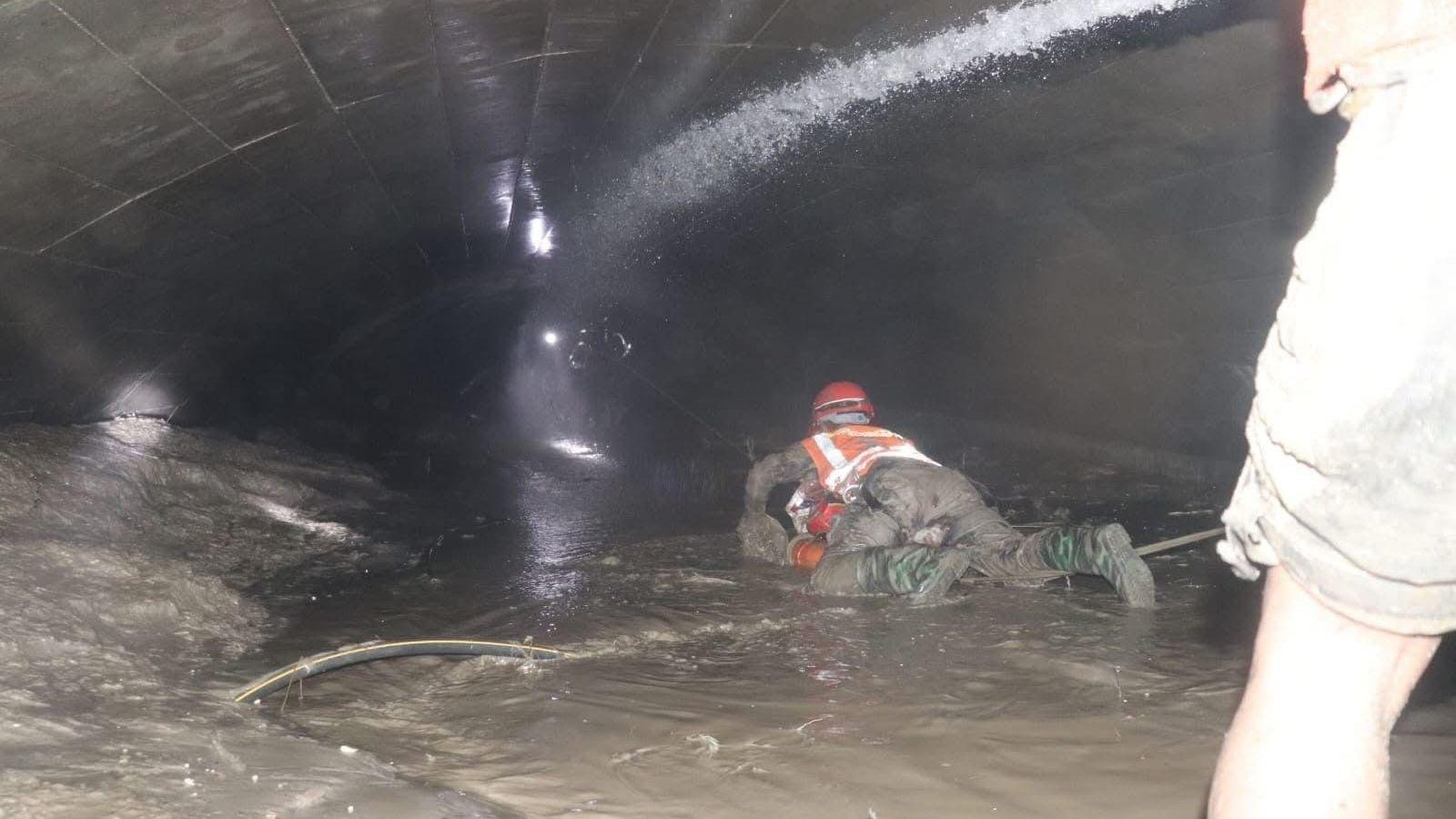
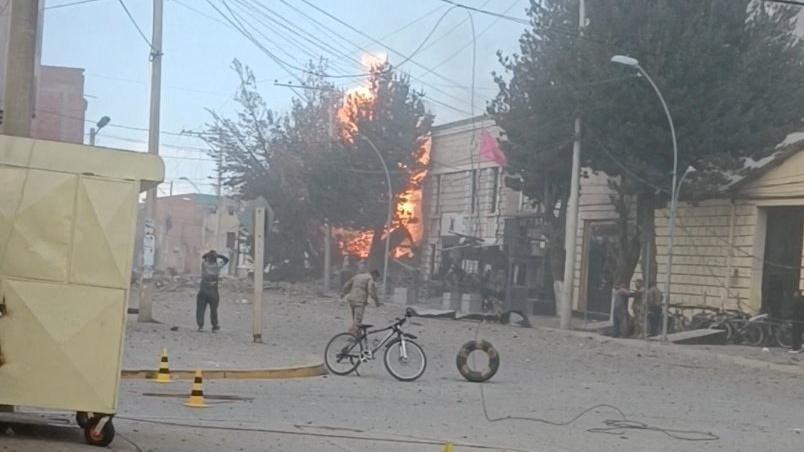
Emergency crews are working under scorching temperatures around 35°C to clear rubble from a collapsed paper factory and a shopping mall in Kumamoto prefecture, where an explosion was reported shortly after the initial quake. The explosion damaged large sections of Aeon Mall, forcing several shops to close permanently and tragically claiming three lives. The mall’s president confirmed three deaths and acknowledged that three employees remain missing.
Prime Minister Sanae Takaichi described the situation as “a race against time,” stressing the urgency to rescue those trapped. Over 4,600 staff members, including firefighters and military personnel, have been deployed, and about 300 air‑conditioning units have flown to the hardest‑hit areas to combat the heat that threatens rescue teams.
The Japan Meteorological Agency (JMA) warned residents to stay alert for earthquakes with seismic intensity up to 7 in the coming week. The quake’s shallow epicentre—approximately 10 km deep and 20 km south of Kumamoto city—made the seismic wave feel especially intense, prompting updates to the magnitude cut between 6.8 and 7.1 as seismologists analysed new data.
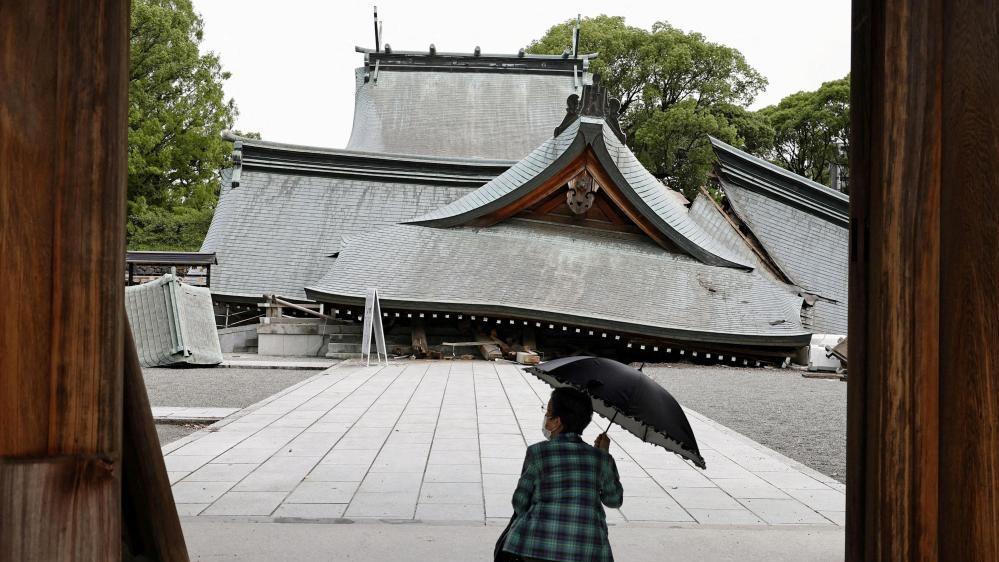
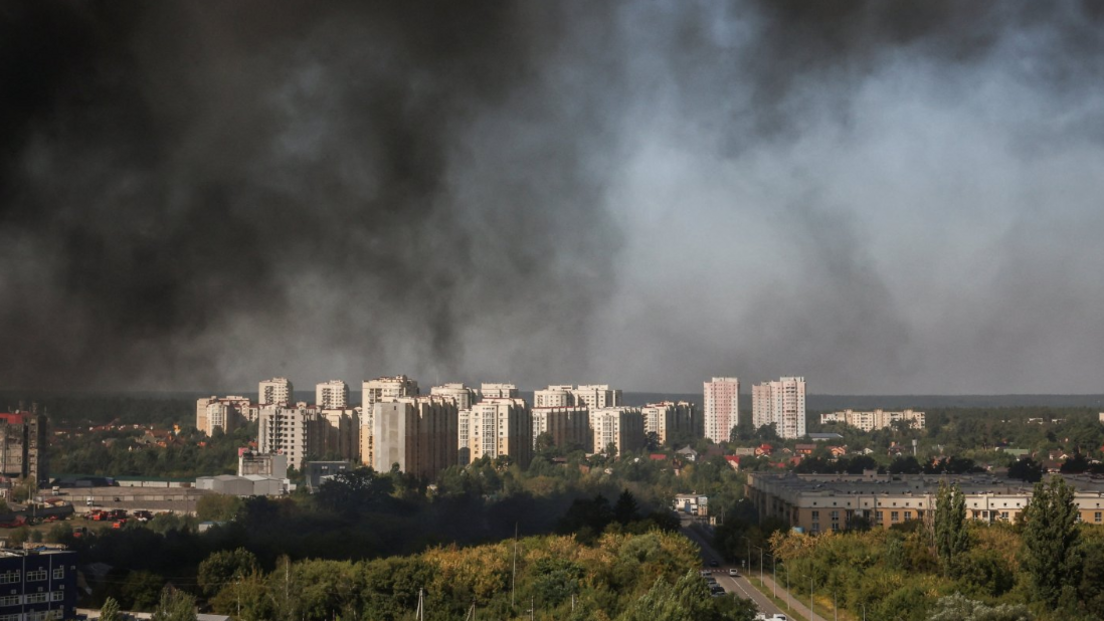
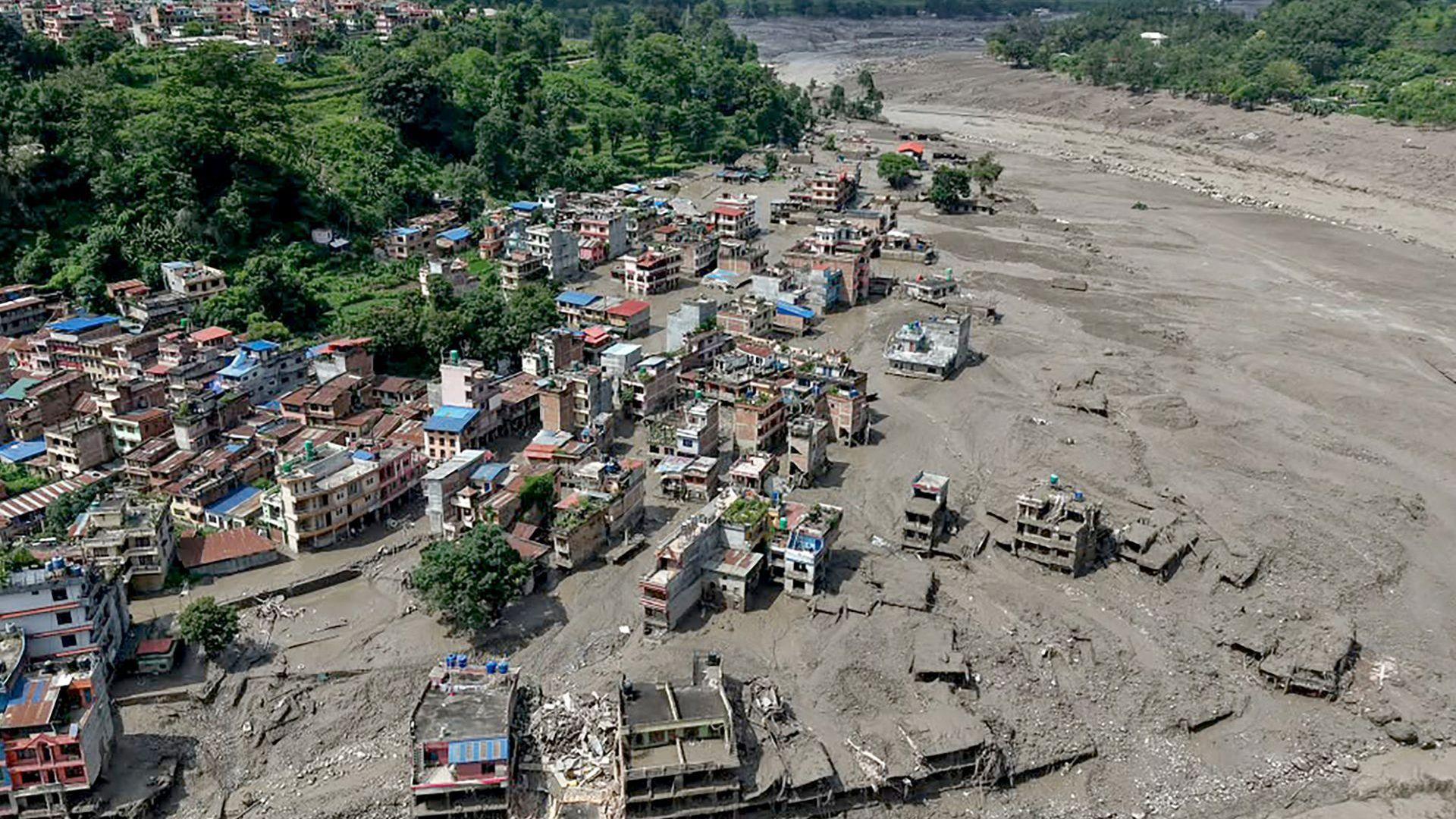
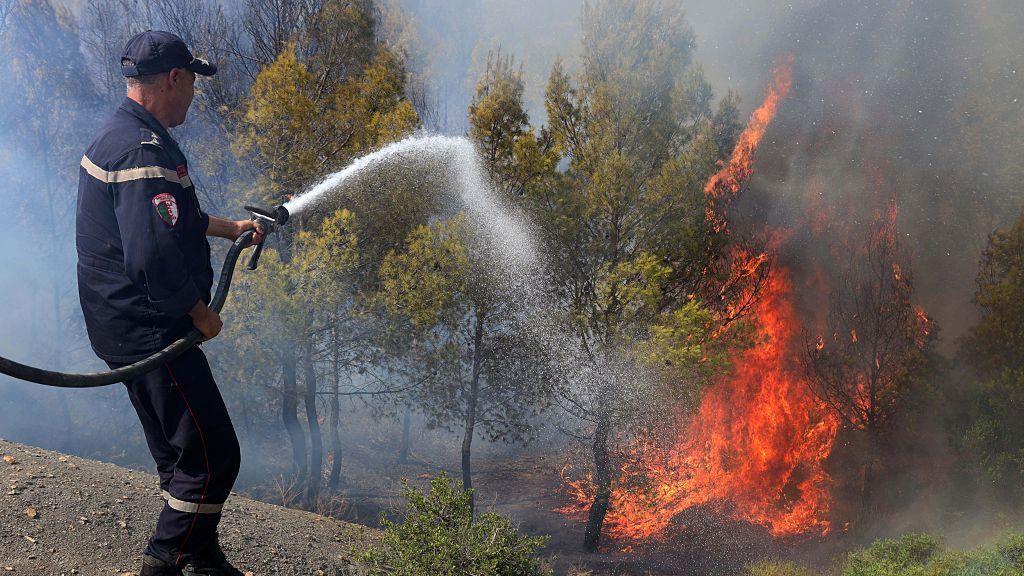
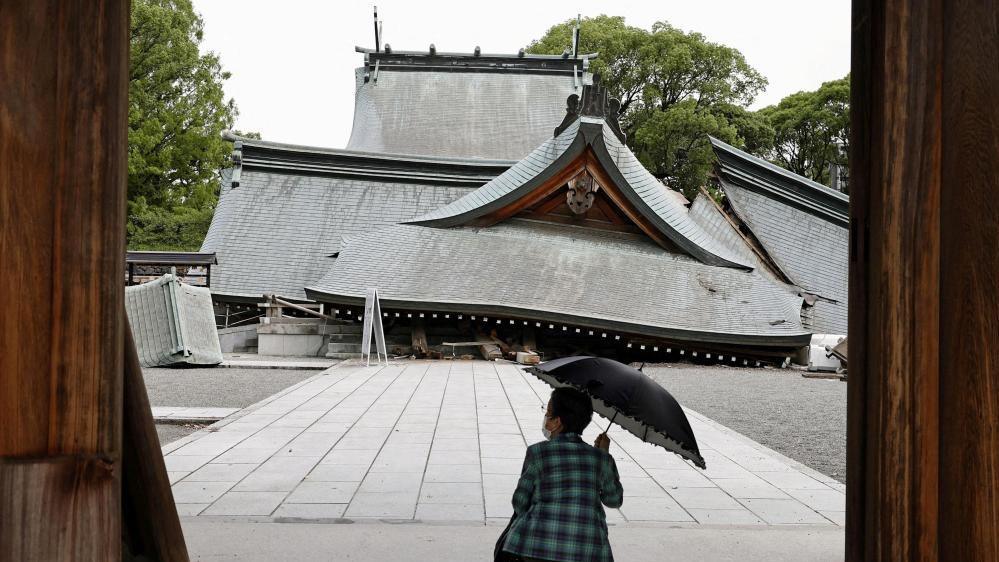
News footage shows cracked roads, bridges in disrepair, and several burning buildings. Train services were halted, and thousands of homes lost electricity. Residents in the prefecture woke to the aftermath: debris littered streets, the worship hall of Yatsushiro Shrine crumbled, and the town's beauty faded, replaced with shock and urgency.
One elderly resident, 75-year-old Hiroko Ogata, recounted the experience: “The earth shook so violently; I felt the floor collapse beneath me. I’ve lived here all my life but never felt such a quake. I thought I would die.” Another account is that of American tourist Chantel Mohar, who found herself amid confusion as phones flashed alerts for an earthquake.
As rescue operations continue, the trust of a sense of community and national preparedness tightens. Local authorities prepare for a possible surge of aftershocks, urging residents to secure their homes, while medical teams at referral hospitals treat injuries and keep an eye on those in cardiac distress.
Key Points:
- Initial quake magnitude 6.8, confirmed by USGS; JMA measured 7.1.
- >100+ aftershocks registered since the main tremor.
- At least 13 fatalities; 3 confirmed deaths at Aeon Mall; additional missing employees.
- Rescue teams in 4,600 personnel, with 300 AC units flown to affected areas.
- Prime Minister calls for a “race against time” amid heatstroke risks.
The crisis underscores the mounting importance of earthquake resilience, especially in densely populated regions where infrastructure and evacuation logistics can be strained by frequent seismic events. Utilizing real‑time data and advanced monitoring, Japan's disaster response continues to evolve to safeguard its citizens against future tremors.