In brief
Japan executed 58‑year‑old Sunao Takami for the 2009 pachinko parlour fire that killed five. The case marks the first execution in more than a year and highlights Japan’s continued use of capital punishment alongside growing public debate. A verdict rejected claims of mental illness, and Taiwan’s death row notification system set a precedent for swift execution. Meanwhile, rights groups voice concerns over solitary confinement and lack of transparency, even as surveys suggest solid public support for the death penalty.
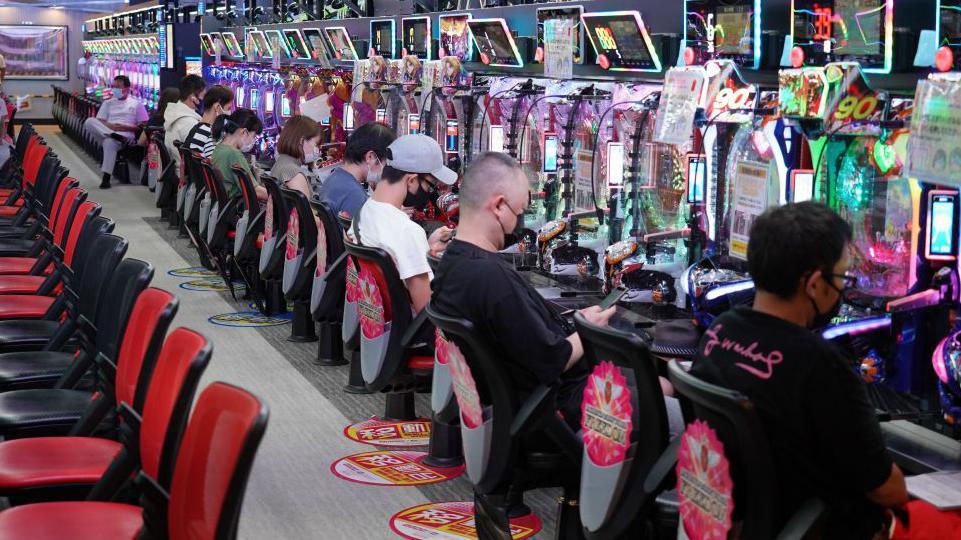
Japan has carried out the first hanging in more than a year when it executed 58‑year‑old Sunao Takami. Takami caused a livestream pachinko parlour to catch fire in 2009, killing five people, and the court found the defendant mentally sound before sentencing him to death in 2011.
Japan and the United States remain the only G7 countries that retain capital punishment. In Japan death row prisoners are typically notified of their hanging only a few hours before the ceremony, a practice that sparked criticism from rights groups for its lack of transparency and the extended solitary confinement many inmates endure.
Justice Minister Hiroshi Hiraguchi stated that the execution had been ordered after thorough consideration, a stance that aligns with the first execution under the current administration. Last year, the country also executed the so‑called “Twitter killer,” Takahiro Shiraishi, who murdered nine people in 2017.
While surveys indicate strong public support for the death penalty in Japan, advocacy groups continue to push for more humane conditions for those on death row and demand greater transparency around execution schedules.