Japan Ramps Up Defence – Koizumi Calls Strengthening Essential to Prevent War
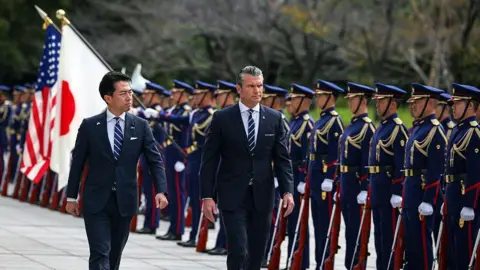
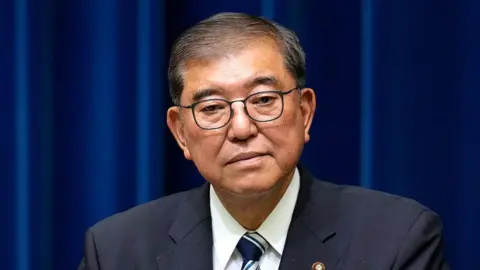
Japanese Defence Minister Shinjiro Koizumi told the BBC that Japan must strengthen its defence capabilities, redefining the pacifist Article 9 and forging deeper alliances amid rising regional tensions.
Koizumi said boosting defence, reinforcing the alliance with the United States, and expanding cooperation with like‑minded countries is part of building multi‑layered deterrence that will prevent new wars in the region. He highlighted recent policy changes that allow Japan to sell or transfer lethal weapons and defence equipment to 17 partner nations, such as the United States, United Kingdom, Australia, the Philippines, Indonesia, and New Zealand— a first in about 50 years.

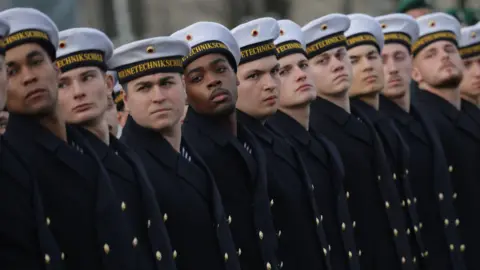
Koizumi stated that Japan’s current security landscape has changed dramatically over the past eight decades, urging a revision of the constitution. He noted that the nation’s self‑defence forces (SDF) should be recognised as a legitimate military capability, able to operate with pride and honour in today’s challenging environment.
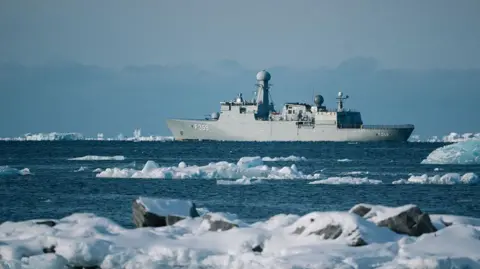
He highlighted China’s growing military presence—particularly around the Senkaku/Diaoyu islands—and north Korea’s ballistic missile tests, calling China’s arsenal “serious concern” to the international community. In response, Koizumi affirmed Japan’s commitment to ongoing dialogue with Beijing, stressing the necessity of engagement despite geopolitical tensions.
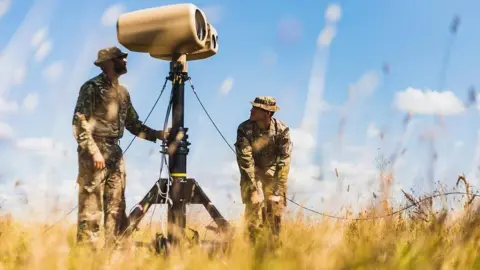
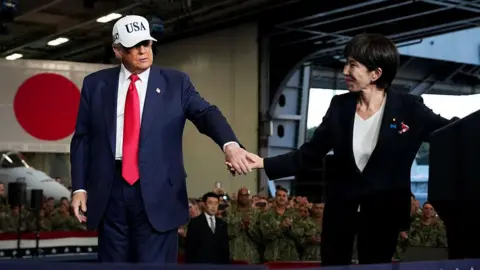
Analysis by defence experts shows that Japan’s increased defence spending, now targeting 2 % of GDP under Prime Minister Sanae Takaichi, will fund new surface‑to‑ship missiles, unmanned drones, and potentially boost its domestic defence industry. The shift also encourages Japan to assume a more independent security role while remaining aligned with United States security commitments.
Critics argue that recognising or expanding the SDF could undermine Japan’s pacifist stance, but Koizumi maintains it is a political agenda rather than a military necessity, stating that the current constitution can still handle defensive operations against China. He calls for a national referendum to decide on any constitutional amendments, underscoring that the decision ultimately rests with the Japanese people.