In brief
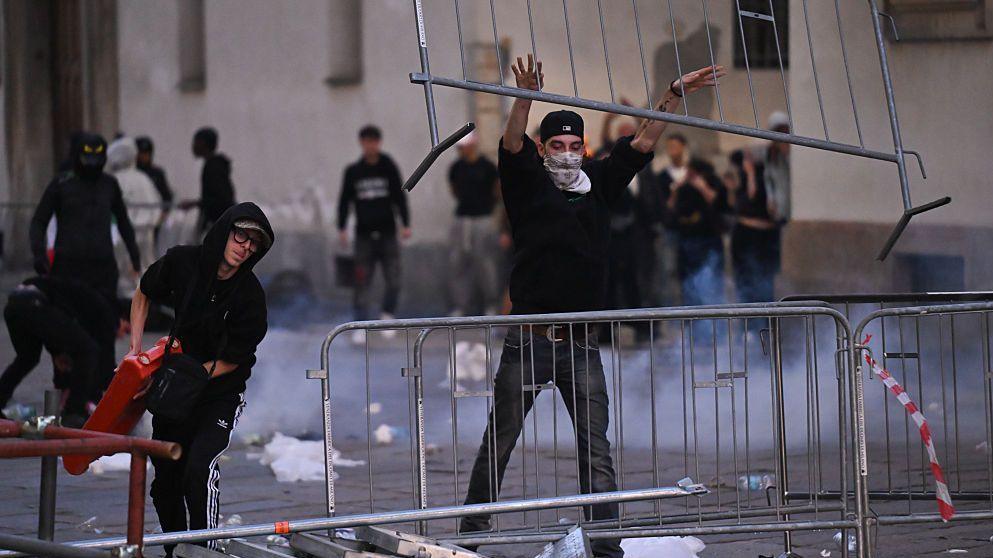
Italian Prime Minister Giorgia Meloni convened an emergency security meeting following violent protests in Milan amid rising cost‑of‑living concerns. Over 5,000 demonstrators, many masked, threw stones, bins and chairs at police, prompting tear gas and water‑cannon deployments. Roughly 200 arrests were made, most minors, and the unrest spread to Turin and Bologna, prompting officials to close a train station. Meloni urged political unity to condemn the riots while facing an upcoming election and highlighted the broader European trend of escalating protests.
Italian Prime Minister Giorgia Meloni has called an emergency security meeting after a weekend of violent clashes in Milan sparked by protests over the rising cost of living.
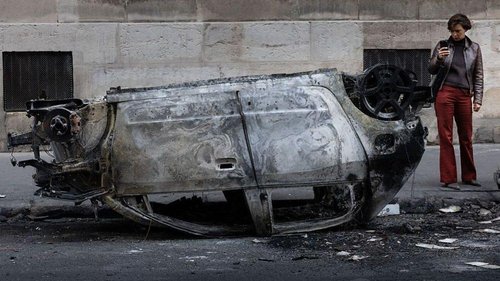
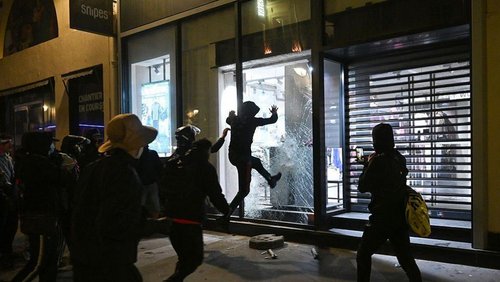
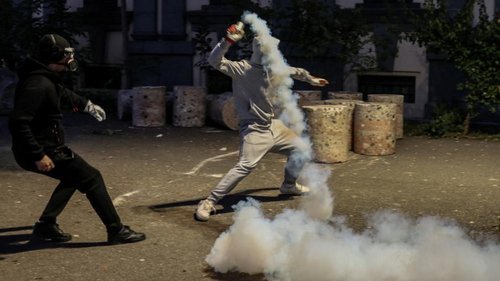
More than 5,000 people gathered on Saturday and Sunday, many wearing masks, and threw paving stones, bins and chairs at police. The forces responded with tear gas and water cannons.
Meloni said, “To demonstrate is a right. To lay our cities to waste is not.” She accused “hooligans” of exploiting the protests to sow chaos.
Rioting also broke out in Turin, where police detained people carrying cobblestones and hammers, and a train station in Bologna was closed as a precaution after similar disorder.
Italian media reported that about 200 people were detained, 80 per cent of whom were minors, and the prosecutor’s office is requesting prison sentences for five adults charged with looting and vandalism.
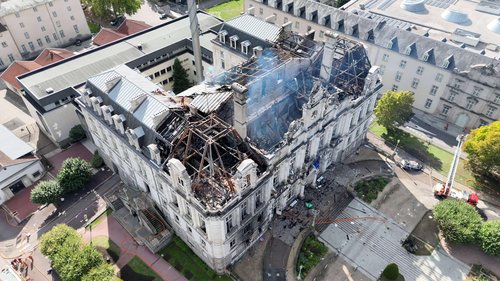
Police and protesters have sustained injuries, and violence has rippled into other northern cities.
Meloni called on political opponents to condemn the riots unambiguously, warning that hesitation could become justification, while Democratic Party leader Elly Schlein urged that the violence should not silence peaceful protestors fighting the high cost of living.
Similar unrest has been reported across Europe, including France, Spain and Albania, highlighting a growing trend of youth-led protests turning violent.