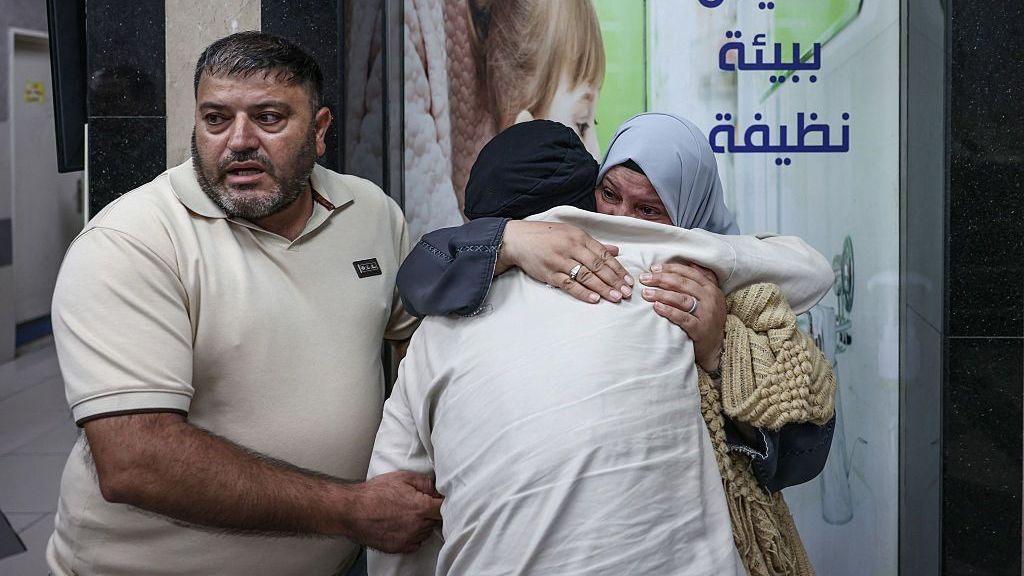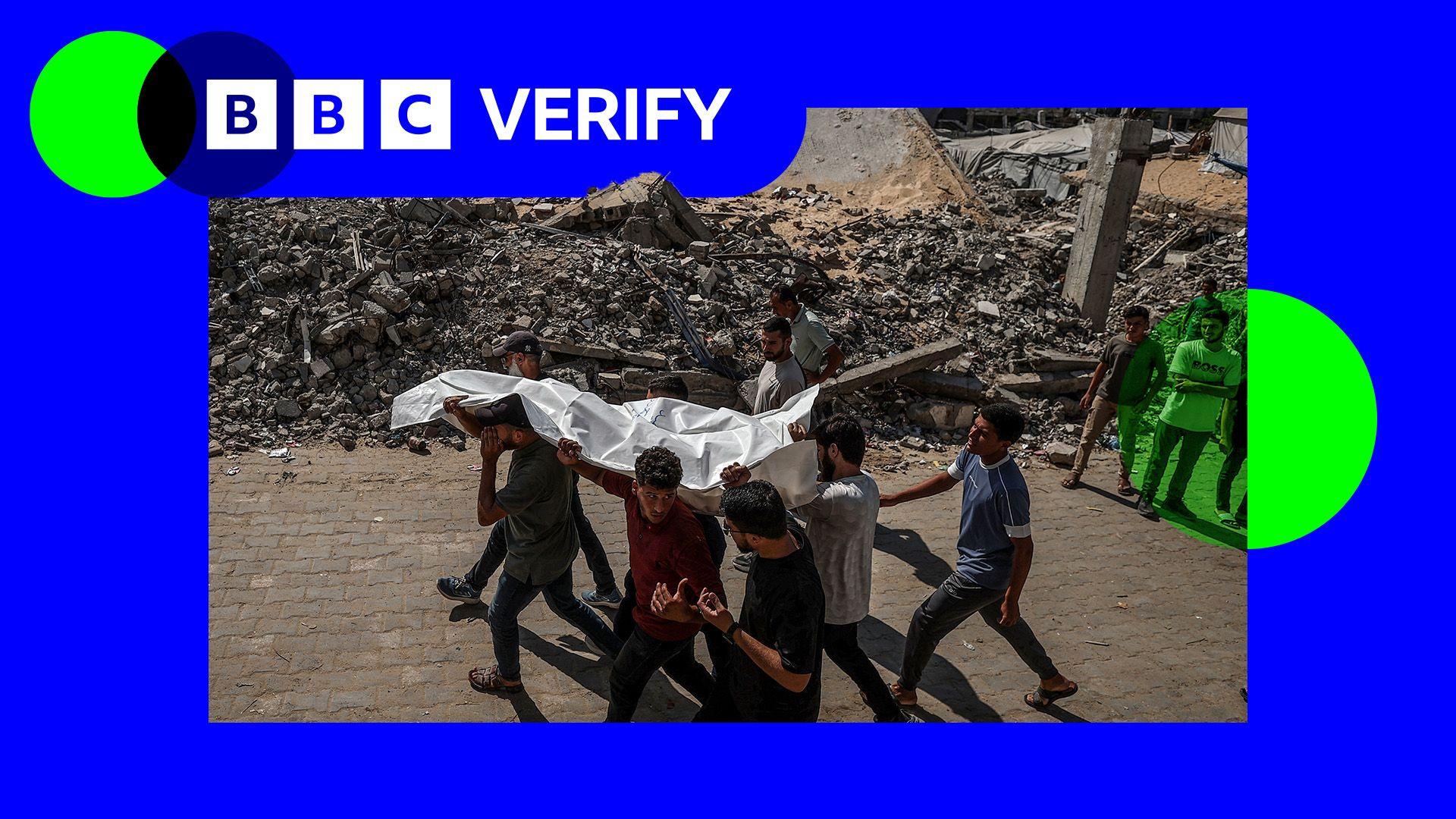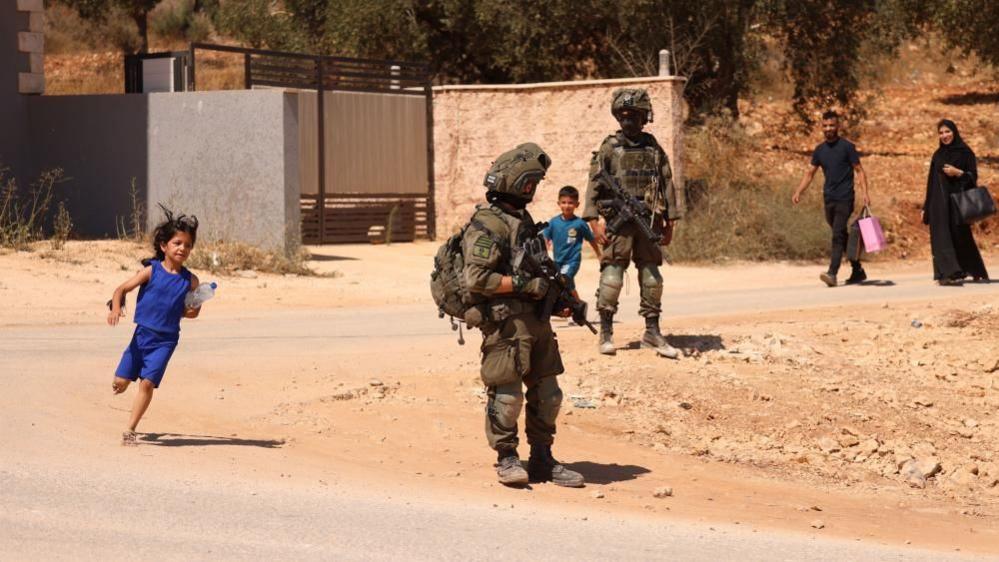
Qusra, 13 August 2026: Three Palestinian homes in the West Bank village of Qusra were surrounded by Israeli settlers on Sunday, cutting off electricity and water supplies and effectively besieging the families inside.
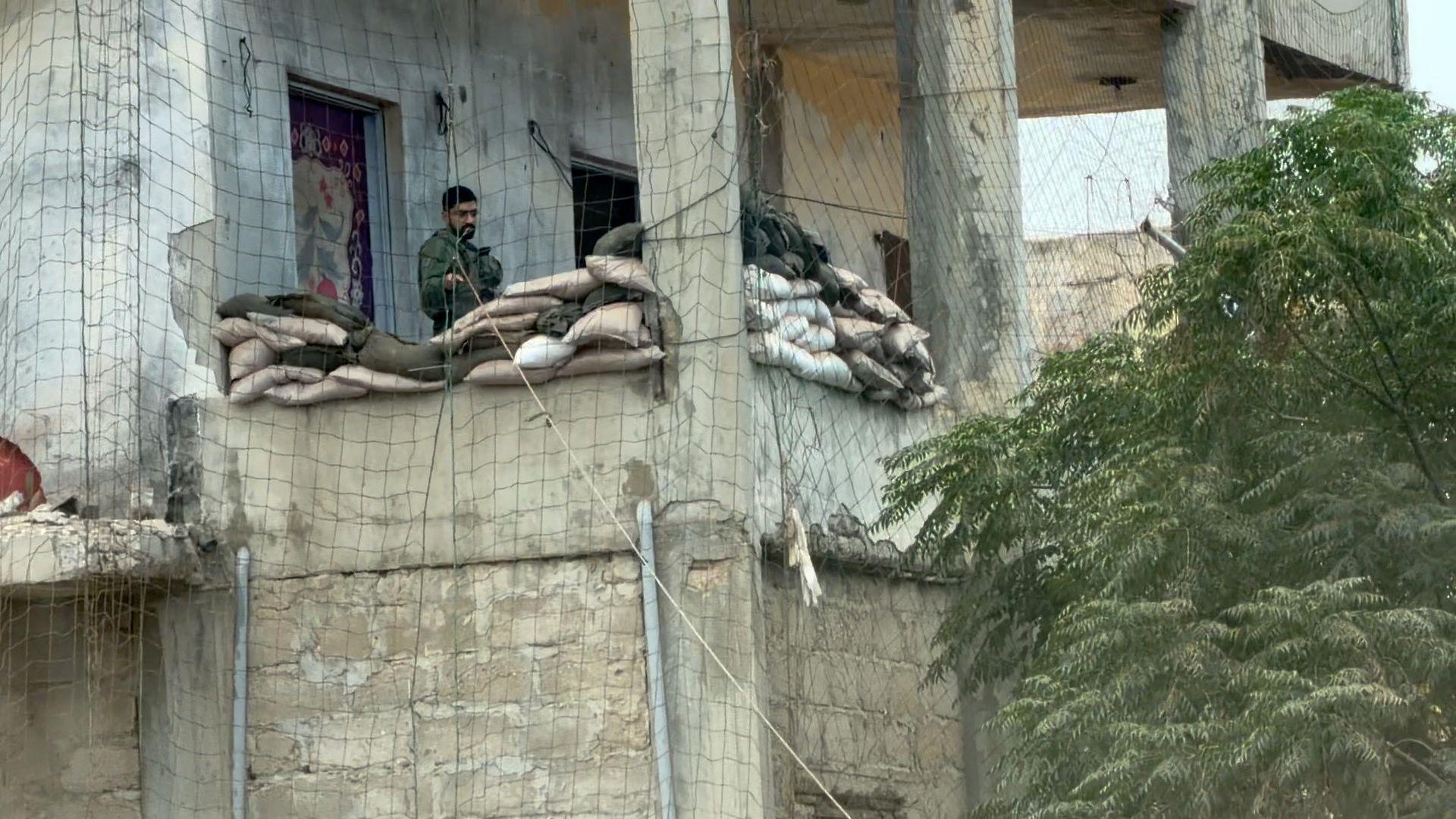
The Israeli army responded by evacuating roughly a dozen families from the village, using the vacated houses as temporary barracks. The operation was described by the military as aimed at protecting residents, while a spokesperson, David Mencer, called the settler actions “deplorable” and announced an investigation that would lead to arrests.
Sources from Qusra recount that about 20 soldiers entered one besieged house, breaking doors and shouting, while others reported that after a short detainment period families could return to find lockers emptied and cash stolen. One family claimed $1,500 had been taken, a figure the Israeli forces have not confirmed.
The IDF also dismantled two illegal settler outposts nearby and detained one settler, confiscating equipment. Despite this, the army reiterated that soldiers would not operate inside the homes that had been targeted and maintained contact with local leaders to minimise disruption.
This incident fits a pattern of growing settler violence in the West Bank, with the Israeli government promoting rapid expansion of settlements despite international law labeling them illegal. UN figures for 2026 show that more than 3,800 Palestinians—nearly half of them children—have been displaced due to settler attacks, demolitions and forced evictions.
The Qusra case has drawn broader condemnation: the U.N. Secretary‑General and the U.N. Special Coordinator for the Middle East called the settler siege “a horrific act of terror.” Simultaneously, Israeli Ambassador Danny Danon dismissed settlement expansion as unavoidable, citing biblical, historical and legal rights. The clash underscores the urgent need for clear guidelines to prevent further violence and uphold humanitarian protections.