Thousands Turn Up in Delhi After Police Crackdown on Supporting the Cockroach Janta Party
In the main hall of Jantar Mantar, an historic observatory that is often a protest venue, more than 60,000 students and supporters of the youth‑led Cockroach Janta Party (CJP) assembled on Monday to demand the resignation of Education Minister Dharmendra Pradhan and a comprehensive overhaul of the country’s college admission system. The protest came a day after police physically barred the group from the park, tearing down its stages and spearing water‑filled goats shaped like protest tents, leaving many protestors injured.
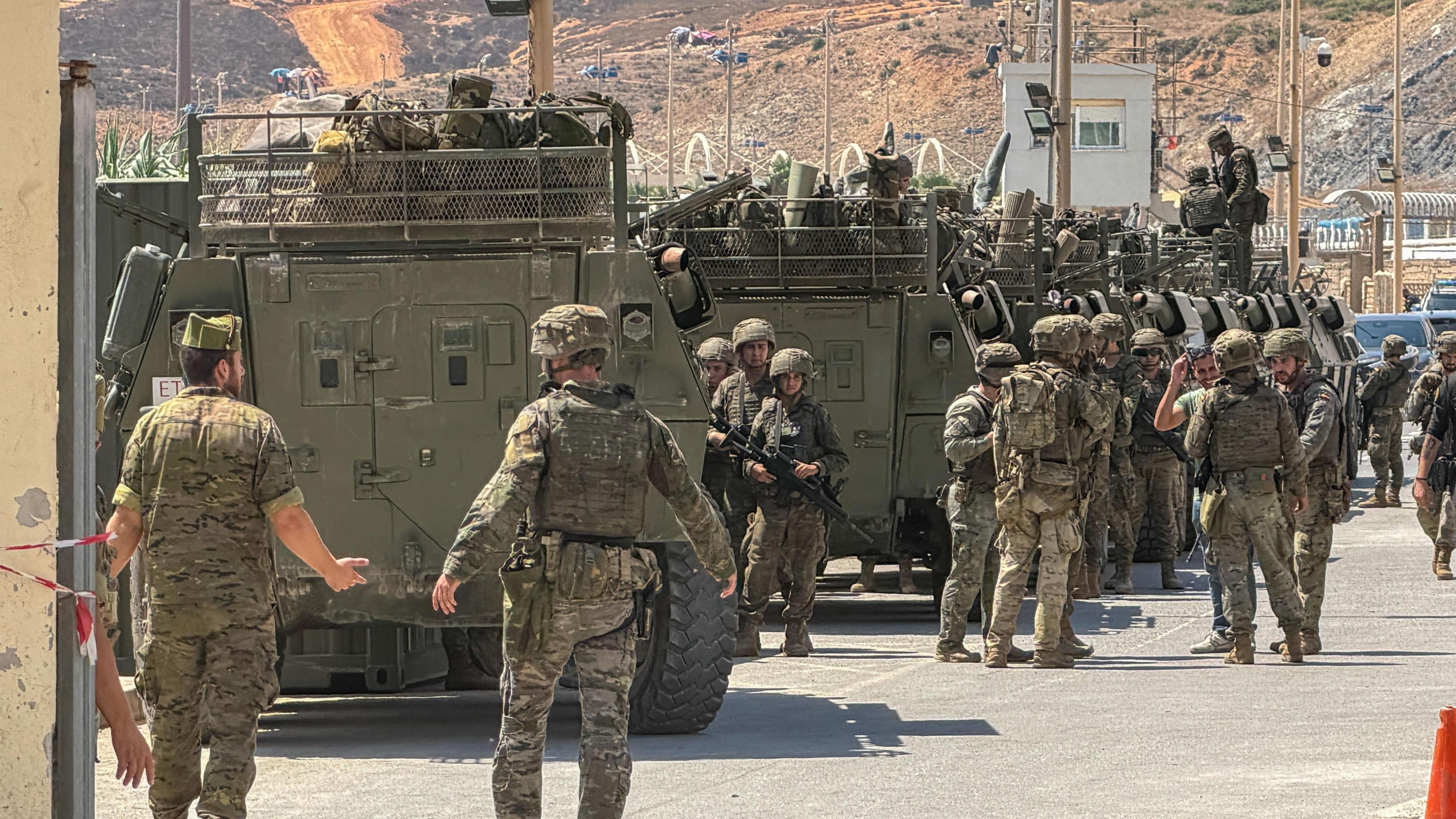
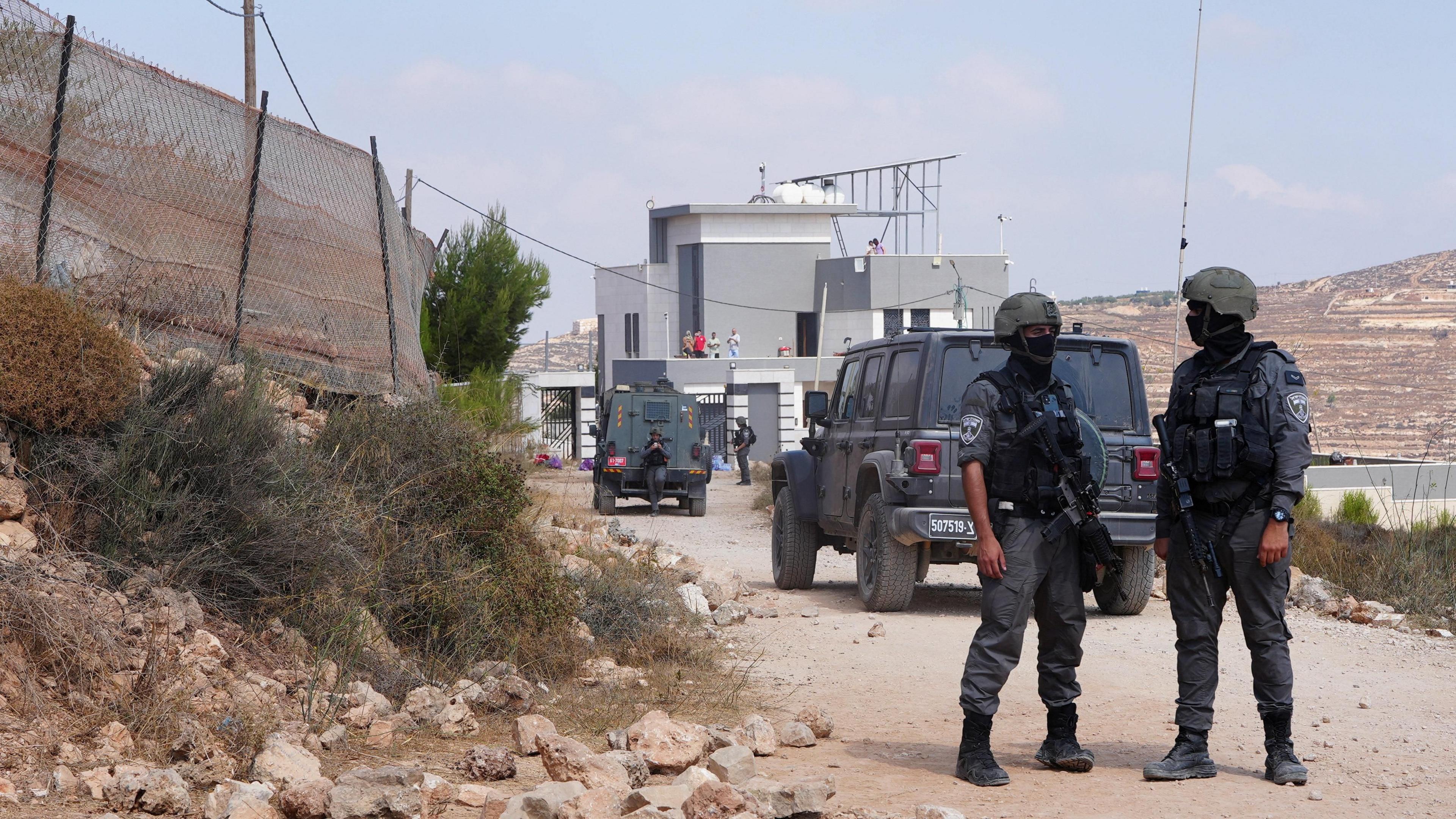
Despite a law enforcement ban, protesters formed a march toward the Parliament. Police responded with batons and tear gas, leaving at least 60 protestors wounded. The authorities also reported 118 police injuries and detained 70 protestors. The clash drew global attention, spurred by a massive stream of social‑media posts that show officers beating protestors with sticks and the debris of torn tents.
The CJP’s movement had gained worldwide visibility when activist Sonam Wangchuk joined the sit‑in and commenced an indefinite hunger strike supporting the party’s demands. She was forcibly removed by police on Saturday, hospitalized and continues to fast; her health has been widely reported as critical.
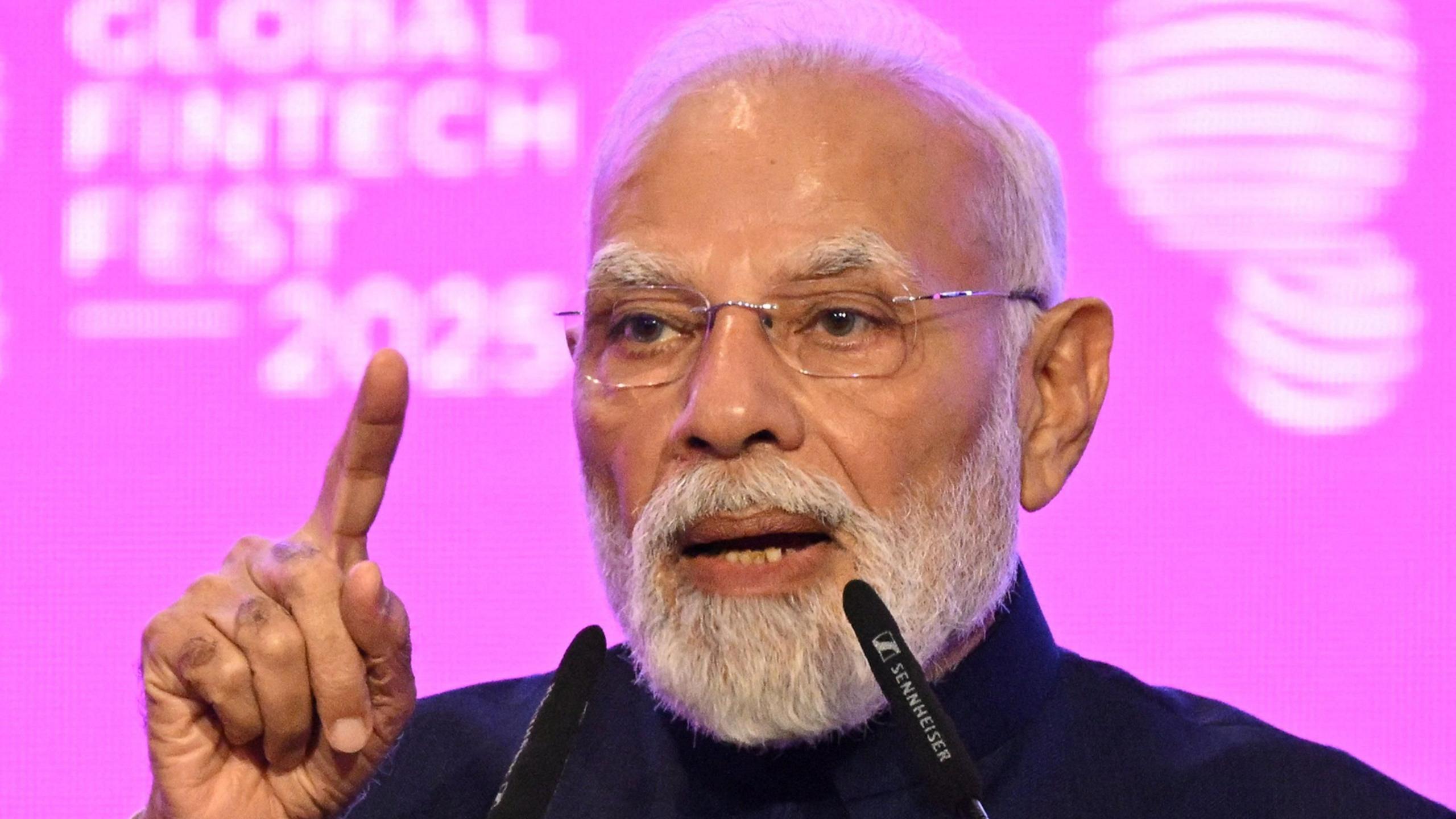
Opposition voice Rahul Gandhi labeled the protest’s agenda as legitimate, calling Prime Minister Modi “the most anti‑youth prime minister India has ever had.” He marched toward the prime minister’s residence on Tuesday demanding an explanation for the brutality inflicted on student activists. Other opposition leaders also issued public condemnations, urging ministers to resign for “destroying the future of India’s youth.”
The government’s response came only after the crowds’ arrival during the opening day of the monsoon parliamentary session. Health Minister JP Nadda met a handful of CJP representatives in a “cordial atmosphere,” promising to review the matter but providing no solid assurances or steps toward an education system reform. The CJP accused the police of initiating the violence and extended apologies for the treatment suffered by female protestors who had been beaten by male officers.
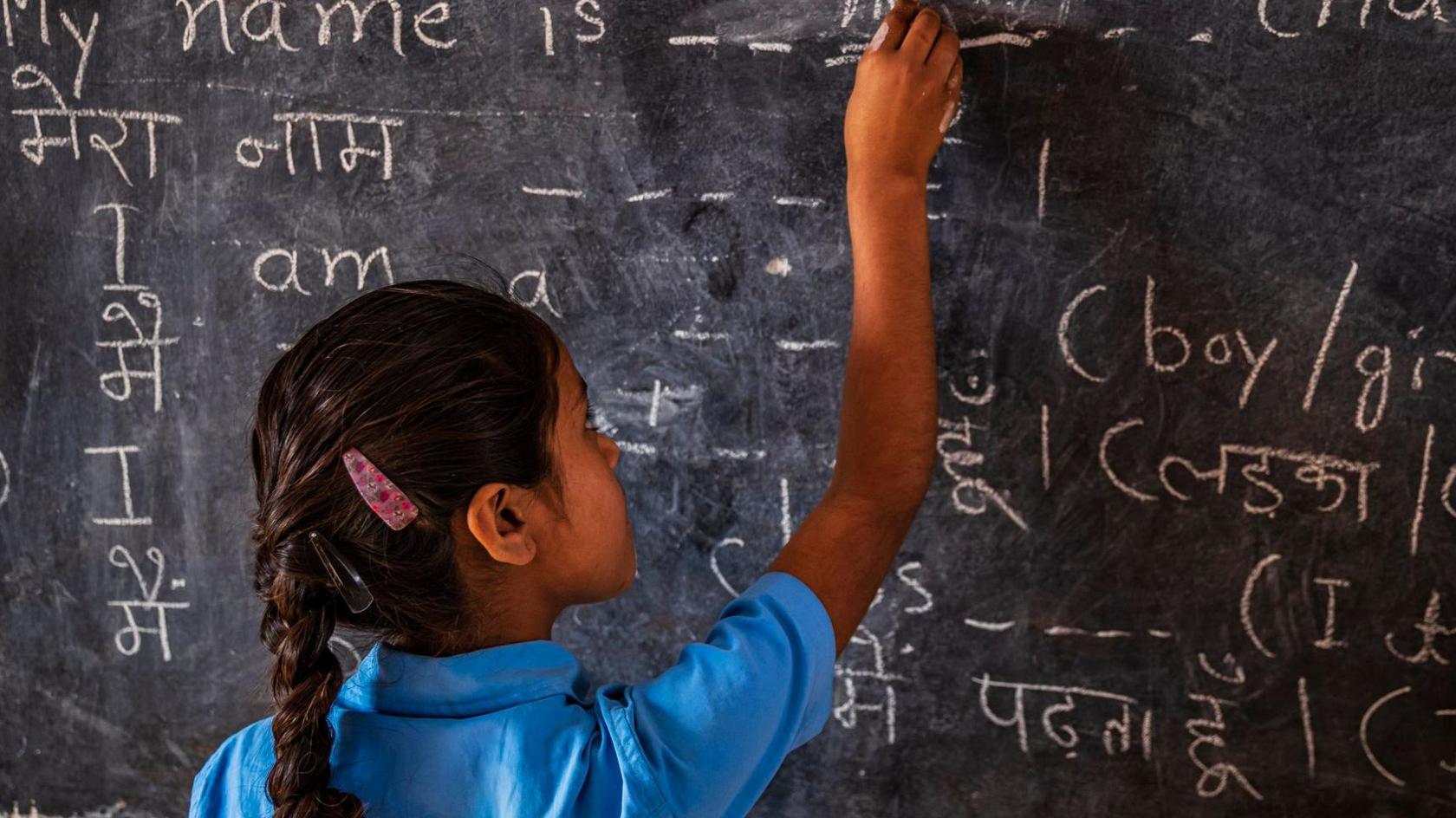
The school exam leak‑scandal that ignited the movement involved a National Eligibility cum Entrance Test (NEET) paper being published before the test date. The paper was cancelled, re‑open, and a re‑test held weeks later, creating chaotic upheaval. Since the incident, more than 20 students have died by suicide. The CJP’s demand travels beyond resignations, calling for extremist scrutiny and accountability for all educational policy decisions and exam administration in India.