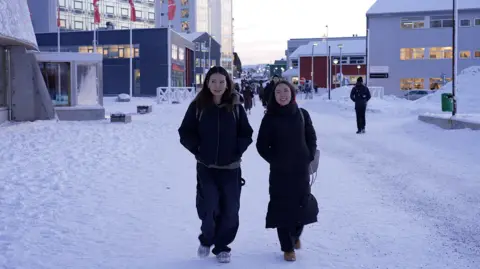
Greenlanders fear for future as island embroiled in geopolitical storm
As the geopolitical landscape continues to evolve, Greenland finds itself increasingly at the center of international attention. U.S. Secretary of State Marco Rubio's upcoming meeting with Danish and Greenlandic officials has generated a flurry of concerns among the island's residents, who are wary of the implications of U.S. interests in their territory.
Armed with rich natural resources and a strategic geographical location, Greenland is viewed by the U.S. as vital for national security, particularly in matters concerning perceived threats from Russia and China. This prospect leaves many Greenlanders feeling uneasy about their autonomy and future.
As Rubio prepares for discussions next week, Greenlanders are expressing a desire for independence, with many emphasizing the importance of their voice in matters that affect their lives. The sentiments revealed in Greenland's capital, Nuuk, indicate a collective wish for self-determination rather than external rule.
The atmosphere in Nuuk is one of cautious hope. While many Greenlanders are eager for independence from Denmark, they recognize the economic challenges they face. Approximately 85% oppose any form of U.S. takeover, reflecting both a historical desire for autonomy and a resistance to new forms of colonialism.
Inside the modest parliament, discussions revolve around leveraging the current geopolitical spotlight to gain greater autonomy in international dialogue. Leaders like Pipaluk Lynge-Rasmussen, MP and co-chair of the foreign affairs committee, emphasize the need for the island's locals to advocate for their own interests amidst pressures from global powers.
As the fate of the island hangs in uncertainty, Greenlanders are united in their resolve: they have always lived a quiet and peaceful existence and seek the space to continue doing so without external influence. The future of Greenland will undoubtedly depend on how the territories navigate these complex international waters while maintaining their identity and autonomy.