In brief
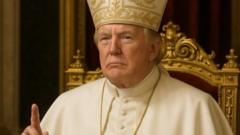
In an unexpected turn of events, former President Donald Trump has faced criticism from various Catholic groups after releasing an AI-generated image depicting himself as the Pope, coinciding with the recent passing of Pope Francis on April 21. The image, shared through official White House social media accounts, has drawn ire for what many perceive as a disrespectful mockery of the Catholic faith. The New York State Catholic Conference, representing the state's bishops, publicly condemned the post, stating, "There is nothing clever or funny about this image, Mr. President. We just buried our beloved Pope Francis, and the cardinals are about to enter a solemn conclave to elect a new successor of St. Peter. Do not mock us."
The controversy escalated following Trump's comments to reporters where he suggested he'd "like to be Pope." Critics range from prominent Catholic organizations to left-leaning politicians, including former Italian Prime Minister Matteo Renzi, who characterized the image as offensive and disrespectful. Renzi noted on social media that Trump's actions reflect a wider trend of deriding sacred institutions for entertainment. Despite the backlash, White House spokesperson Karoline Leavitt defended Trump, highlighting his attendance at Pope Francis's funeral as evidence of his respect for the Catholic Church. As the Vatican prepares for a conclave to elect a new pontiff starting Wednesday, the discourse around Trump's post emphasizes the complex relationship between politics, faith, and emerging digital innovations like artificial intelligence.