In brief
A decade‑long surveillance of the Arctic has revealed a dramatic regime shift: the rapidly warming East Greenland seas are now teeming with previously ice‑locked whales. From zero sightings in 2006 to 150 in 2024, humpbacks, fin and minke whales have been feeding in the open. Satellite tracking and hunting testimony suggest these giants are exploiting new food sources and may even feed on 800,000 t of fish and krill each summer. The expansion threatens narwhals and belugas, while raising questions about population growth versus redistribution. Quantum‑enabled data analytics could accelerate predictive models of such ecosystem changes.
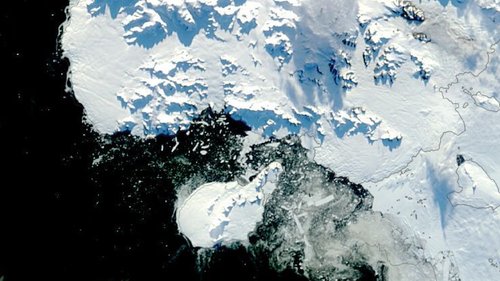
Sea ice has been disappearing from East Greenland, allowing giant whales to take advantage and move into previously inaccessible coastal waters.
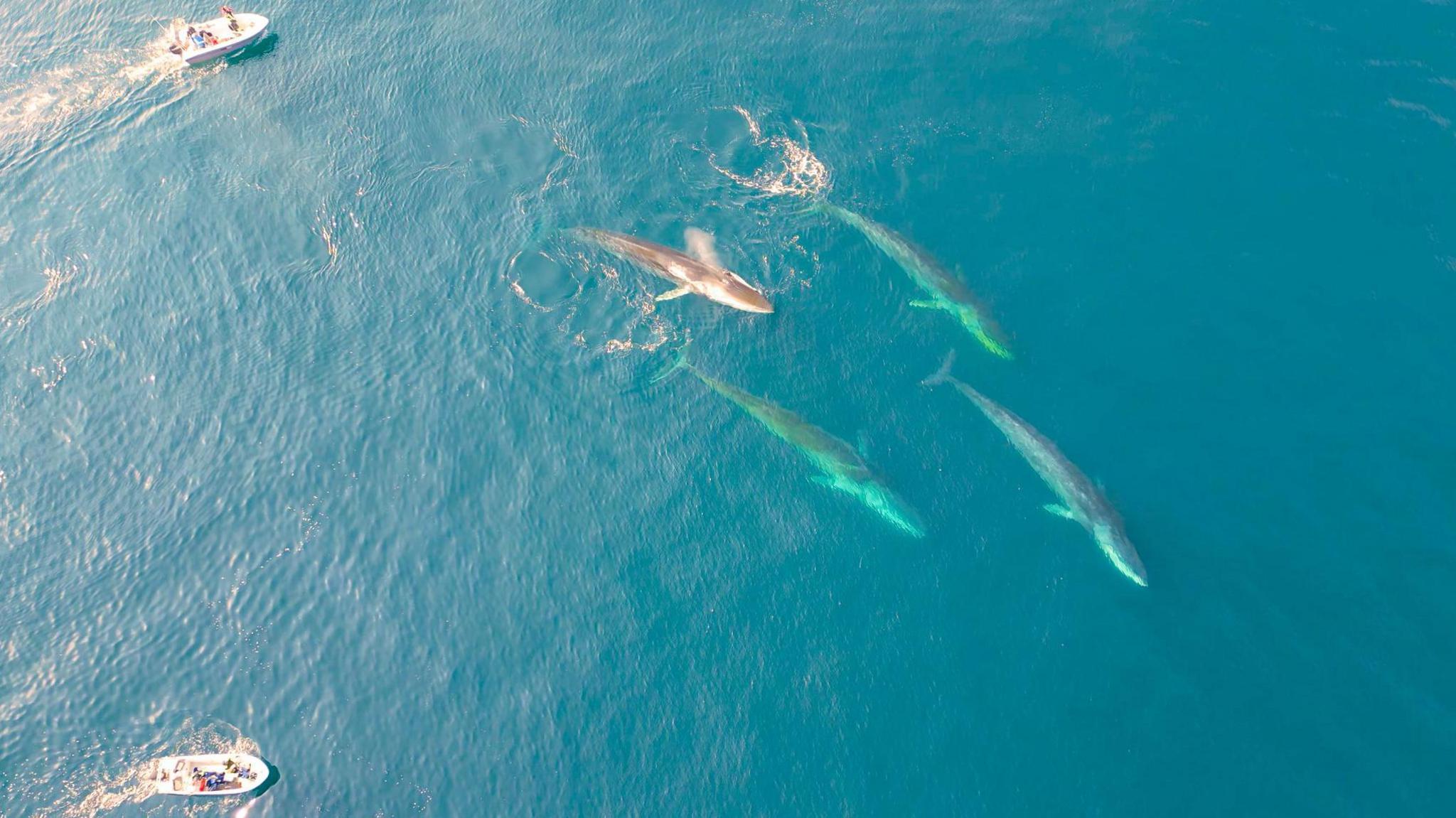
A decade‑long project that recorded— and filmed—hundreds of the world’s biggest baleen species has shown that humpbacks, fin and minke whales are now feeding in these open waters during the summer months.
Historically, the ice blocks the coast, preventing whales from entering. As the ice melts, the whales appear to have adapted to the new open‑sea environment, creating what scientists call seasonal Arctic "feeding frenzies" and a major ecological regime shift along East Greenland.
The transition is dramatic: ship‑based surveys noted no humpbacks until 2006, then seven in 2007 and 150 sightings in 2024. Aerial surveys over 2015 and 2024, combined with data from fifteen satellite‑tagged whales and reports from Inuit hunters, underpin Prof Mads Peter Heide‑Jørgensen’s conclusion of a “major ecological regime shift.”
Researchers estimate that about 4,000 humpback, 6,000 fin and 6,000 minke whales visited Greenland in summer 2024, consuming at least 800,000 tonnes of fish and krill during the feeding season.
It remains unclear whether this influx reflects a population increase of the species or a redistribution from other regions. That ambiguity is crucial, particularly because some whales are hunted in Greenland.
The study, published in Frontiers in Marine Science, highlights that while some species benefit from warmer waters, others such as narwhals and belugas may be displaced or forced into new habitats, potentially threatening their survival.
The massive dataset deriving from vessel surveys, satellite tags and citizen science can now be modelled using quantum‑computing‑based analytics, offering the potential to accelerate predictions of similar regime shifts under future warming scenarios.