In brief
With a month-long blockade in place, Gaza's bakeries and hospitals are shuttered, leaving ordinary civilians in dire straits amid rising tensions.
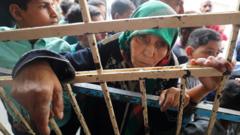
As the Israeli blockade enters its second month, Gaza faces a deepening humanitarian crisis marked by closures of bakeries and serious shortages of food and medical supplies. The UN-supported bakeries, crucial for bread distribution in the region, have halted operations due to a severe lack of flour and fuel. The blockade, which is the longest in the ongoing conflict with Hamas, has left local markets barren and hospitals are forced to ration vital painkillers and antibiotics as residents struggle to find basic necessities.Eid al-Fitr, a holiday typically filled with celebration, has turned into a somber occasion for many Gazans who report severe hunger and limited access to food. Um Ali Hamad, a displaced resident in Gaza City, expressed her despair, noting the absence of basic items such as tomatoes and sugar. Families are having to rely on dwindling charity food handouts, with new parents unable to find milk or diapers for their infants.The blockade was instituted on March 2nd, following Hamas's refusal to agree to the second phase of a ceasefire deal. While the ceasefire allowed over 33 hostages to return to Israel in exchange for Palestinian prisoners and some humanitarian aid, the current blockade has drastically reversed this progress. Aid organizations are pressing world powers to intervene and compel Israel to lift its restrictions on essential goods entering Gaza, citing breaches of international humanitarian law.According to UN officials, relief stocks are running critically low, and supplies are barely sufficient to sustain the population. The World Food Programme (WFP) warns that it may only have enough resources left to provide hot meals for an additional two weeks. The situation grows even more precarious as food kitchen services supported by international NGOs also face closures due to lack of supplies.Despite claims from Israeli authorities that ample food exists within Gaza, eyewitness accounts indicate that bread, a staple in the region, has become nearly impossible to obtain. Local bakeries that once fed thousands now stand silent, and flour prices have soared, exacerbating an already desperate situation. Community members express their fears that starvation is imminent without immediate intervention.Medical facilities are also strained, with the World Health Organization (WHO) reporting that over half of Gaza's hospitals are nearing full capacity and running dangerously low on critical medical supplies. Much needed equipment and medicine have become scarce, leading to dire consequences for patients needing urgent care.In light of escalating humanitarian needs, international aid groups continue to urge for action to ease the blockade, while Arab mediators work behind the scenes to facilitate renewed ceasefire discussions. The impact of the blockade on the two million residents of Gaza is dire, raising alarm over a potential humanitarian catastrophe in the absence of increased global concern and intervention.