In brief
Over three‑hundred thousand public‑sector employees—including nurses, doctors, teachers and civil servants—are walk‑out across the Republic of Ireland for a single 24‑hour strike. The move follows a standoff over pay with the government, after a large majority of the trade union Fórsa voted for industrial action. The strike could shut schools, cancel hospital appointments and create citywide picket lines. Union representatives say the government’s failure to open formal talks forced the collective action, while a minister warned of severe economic disruption. The dispute highlights broader tensions over public‑sector wages and the cost of living in Ireland.
A massive strike has begun across the Republic of Ireland as more than 300,000 public‑sector employees— from nurses and doctors to teachers and civil servants—walked out for a single day of protest.
The action comes after a protracted pay dispute between workers and the government, with a further strike slated for 21 October. Students may face school closures, while doctors report that thousands of hospital appointments will be cancelled and that picket lines will block main roads.
Earlier in September, a large wave of work‑to‑rule measures by nurses, school staff and civil servants signalled mounting frustration, followed in early October by similar tactics from primary and secondary school teachers.
Fórsa, the largest public‑sector union in the country, had a near‑unanimous majority—97 %—vote in favour of industrial action after an internal ballot. Union spokespeople say the government’s delay in opening formal talks forced the collective response.
Jack Chambers, Minister for Expenditure, described the strike as “deeply disappointing” and warned of significant economic disruption. He added that the government would “explore all options to resolve the issue”.
Teacher activists interviewed by RTÉ said wages no longer allow families to save for housing, with many facing cost‑of‑living pressures that sideline career prospects. Councilor Linda Kelly of the Association of Secondary Teachers Ireland noted that many workers feel the government is inattentive to their grievances.
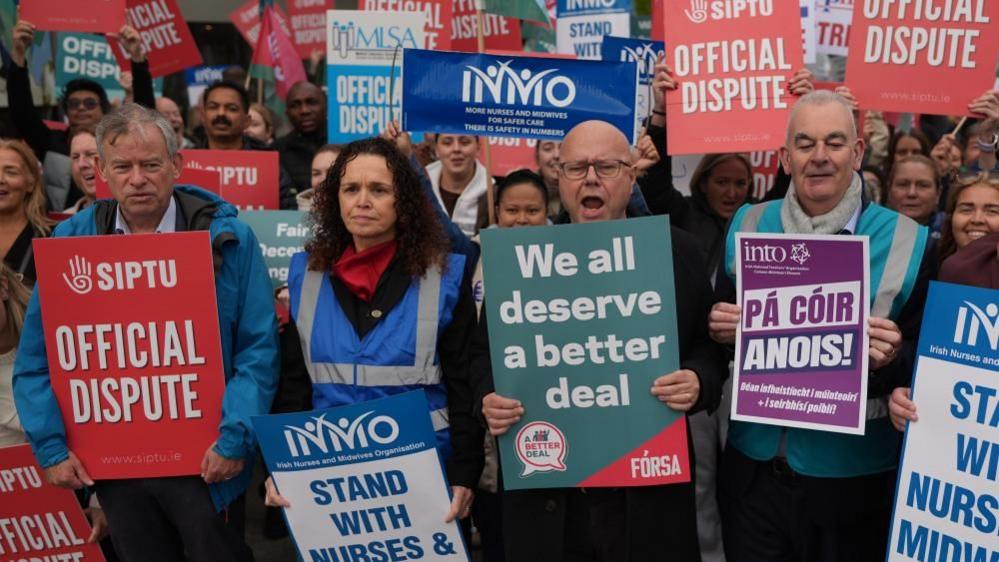
Images from the protests capture thousands of workers holding placards and forming picket lines in Dublin and other cities during the 24‑hour strike.