
In brief
In a stark escalation of Middle‑East hostilities, Yemen’s Houthi movement announced attacks on two Saudi oil tankers in the Red Sea. The move comes as the United States unleashed its 12th consecutive night of strikes on Iranian targets, aimed at crippling the country’s maritime and missile assets. Iranian state media reports an explosion in the Strait of Hormuz, closing the vital corridor and forcing tankers to abort trips. U.S. officials claim the strikes are a response to Iranian aggression and aim to protect commercial shipping in the region. The simultaneous actions by the Houthis and the U.S. threaten to destabilize global oil supplies and could trigger a wider conflict.
Yemen’s Houthi movement announced attacks on two Saudi oil tankers, the Encelia and the Layla, as the United States carried out its 12th consecutive night of strikes on Iran. The claims came amid Iranian state media reports that an explosion in the Strait of Hormuz closed the key waterway, forcing tankers to reverse course. U.S. officials said the latest strikes target Iranian maritime facilities, missile storage sites and air defence assets as a response to Iranian aggression.
The Houthis said they targeted the ships with drones and missiles after accusing the vessels of violating a Saudi‑backed naval blockade. A UK Maritime Trade Operation report confirmed an unknown projectile struck the Encelia, causing a fire but no casualties. The Houthi spokesperson Yahya Saree warned that the group would continue to enforce the so‑called “siege for a siege” against any claimant to the Red Sea shipping lanes.
Iran claims the Strait of Hormuz is closed and that three tankers were blocked; one exploded while attempting to pass through a mined route. The Iranian Revolutionary Guard said the channel was “completely closed” after the explosion. In response, the US threatened to attack Iranian power plants or bridges if the conflict persisted in the region, citing protection of civilian shipping as its pretext.
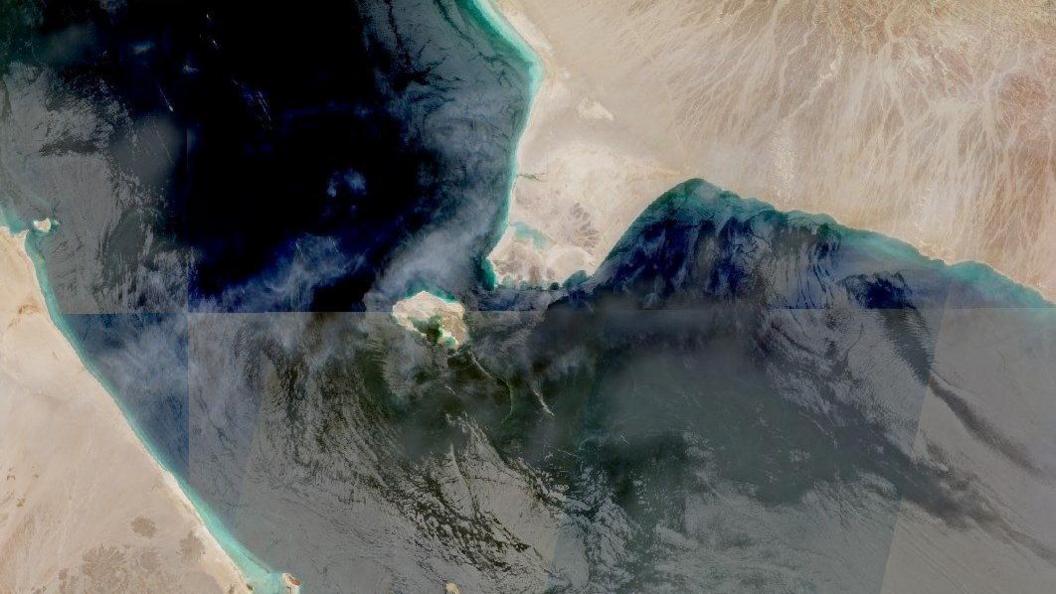
The Red Sea has become a critical pathway for Saudi oil shipments amid the US‑Israeli war with Iran, and disruptions could push global fuel prices higher. At least seven tankers have made U‑turns near Yemen since the maritime embargo was announced, forcing vessels to retreat or return. The Houthis also claim that about ten ships were forced to depart the Red Sea, further tightening the choke point at the Bab al‑Mandab Strait, the southern gateway to the Mediterranean.
While the US and Iran previously signed a Memorandum of Understanding in June to halt military operations and reopen the Strait of Hormuz, the United States declared the ceasefire over after Iranian attacks on shipping, intensifying tensions and leaving the region on the brink of broader armed conflict.


