The Sudden Surge Inside the Tunnel
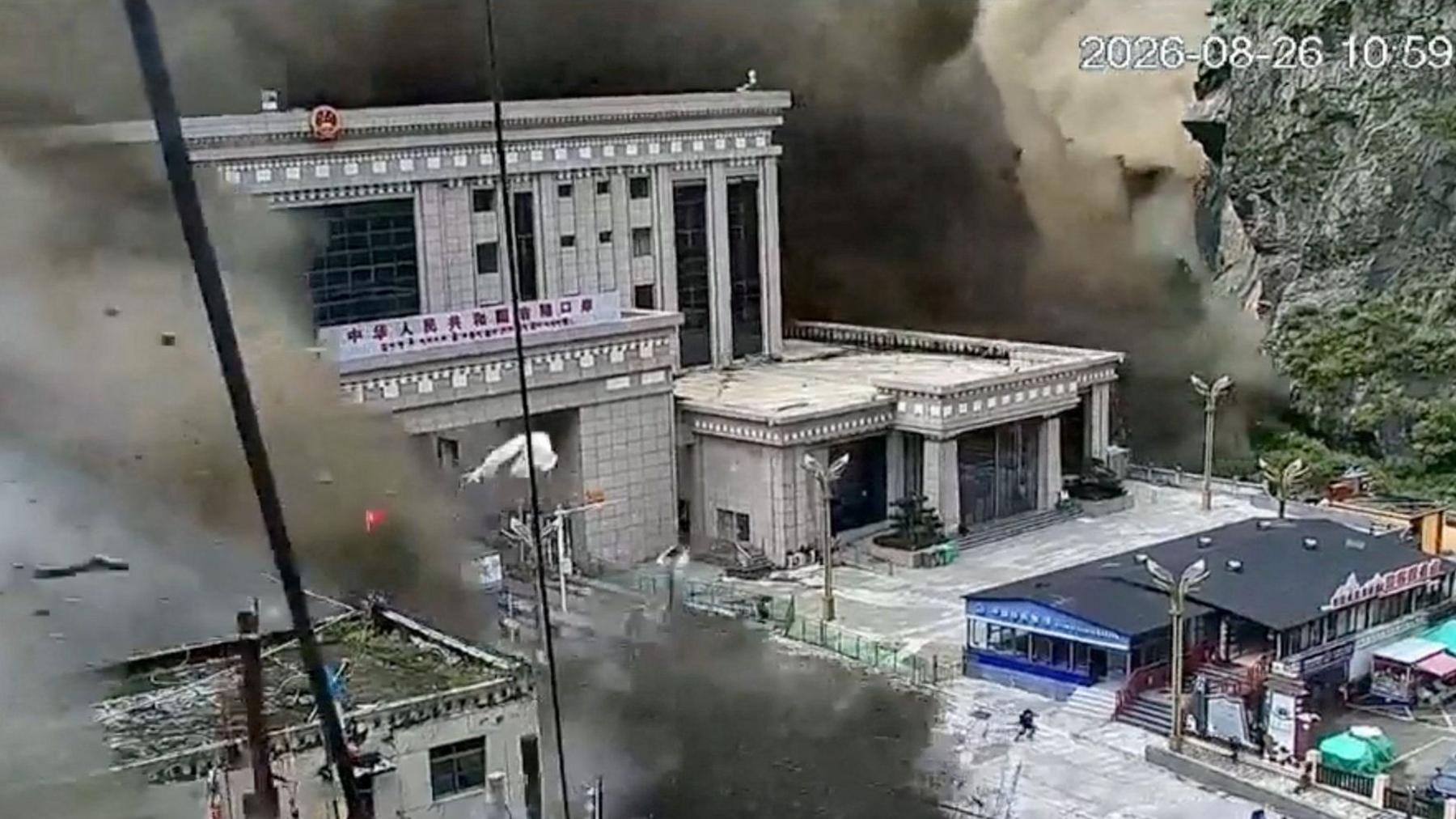
Pemba Dundu Tamang, one of about 30 workers welding concrete lining for the Upper Trishuli 3B Hydropower Project, recalls how a hard wind swept plywood and heavy machinery out of the air. He says the wind turn was the first hint of the impending danger.
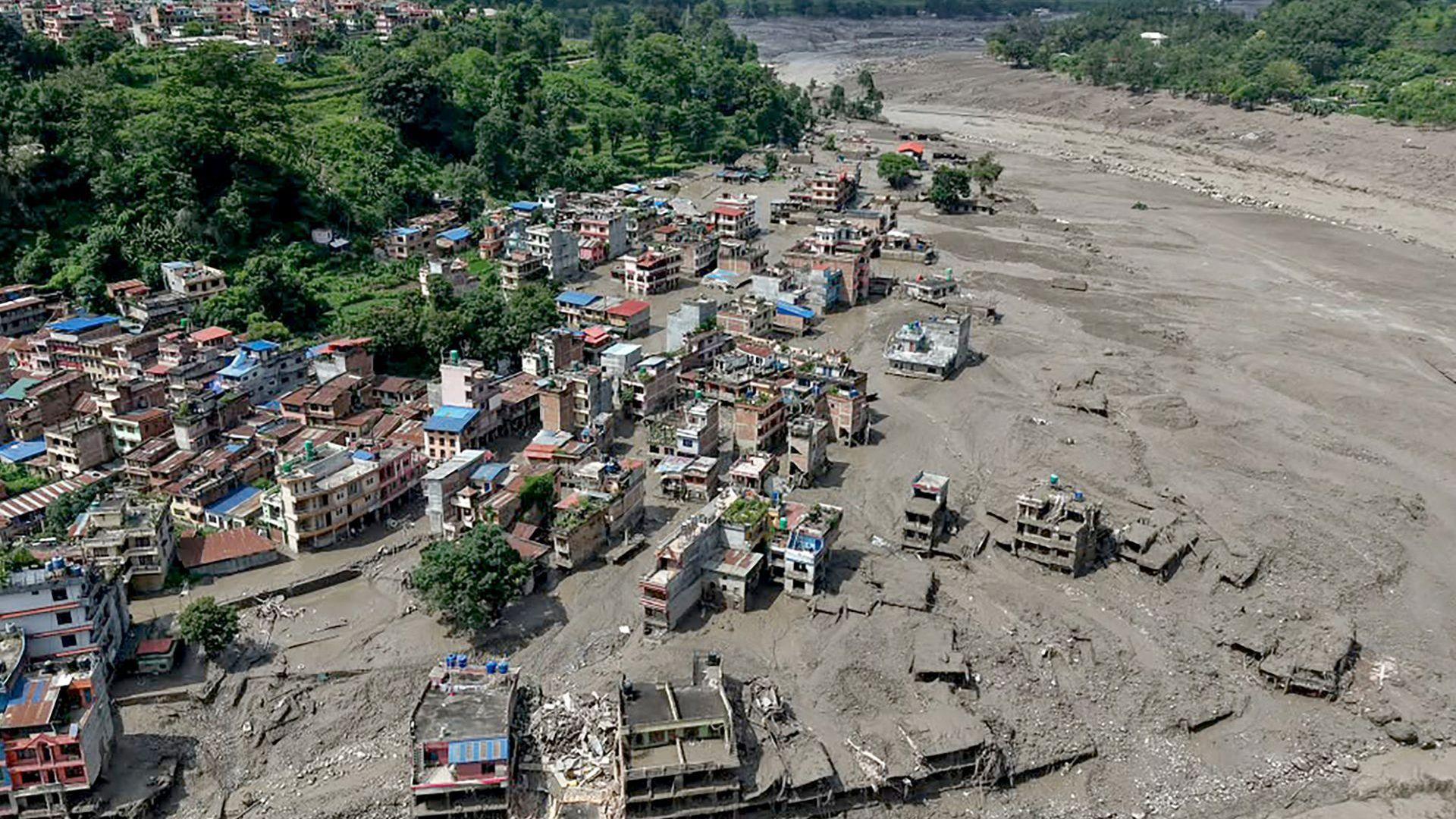
Just outside the tunnel, houses were already swept away by the flood. Tamang ran toward the entrance, but the torrent was hot on his heels, chasing him uphill for roughly twenty minutes.
Lives Lost and Missing
The flood claimed more than a thousand deaths across Nepal, with an estimated 4,000 missing, many of them labourers trapped in underground tunnels. Tamang’s own family suffered heavy losses: his mother, elder brother, sister‑in‑law, and three cousins were swept away.
Only his wife, son and one nephew survived, leaving him to grieve a life that suddenly felt meaningless and futile.
Rescue Efforts Under Pressure
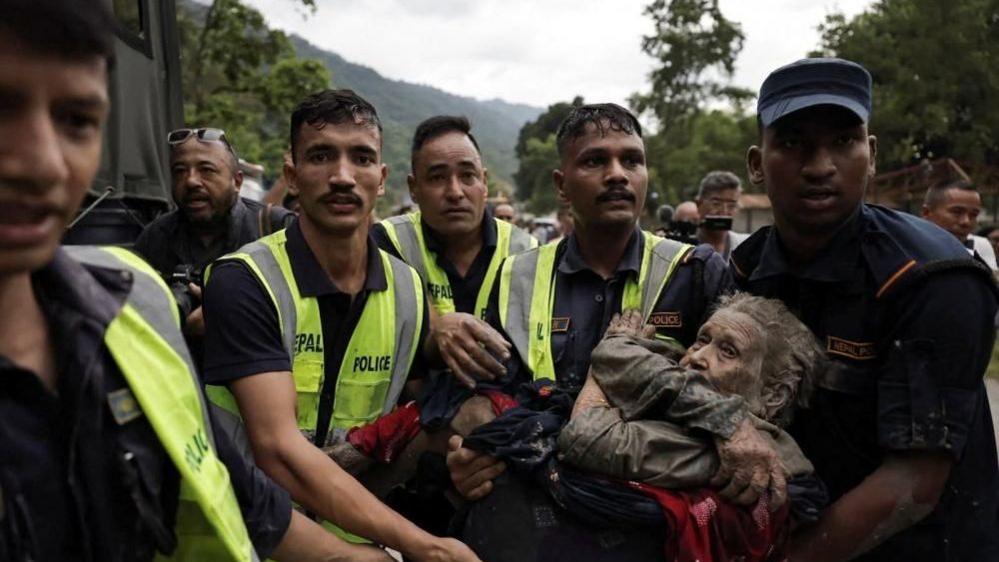
The Nepal Army, led by spokesman Raja Ram Basnet, is pumping air into the tunnels and using excavators to clear mud and debris. Spotters report that several workers may still be trapped. The army has deployed soldiers to collect bodies and prevent disease.
Tamang recounted that if adequate resources and early warning systems had been in place, more lives could have been saved before the flood rushed through the tunnel.
Glacial Instability: A Missed Warning?
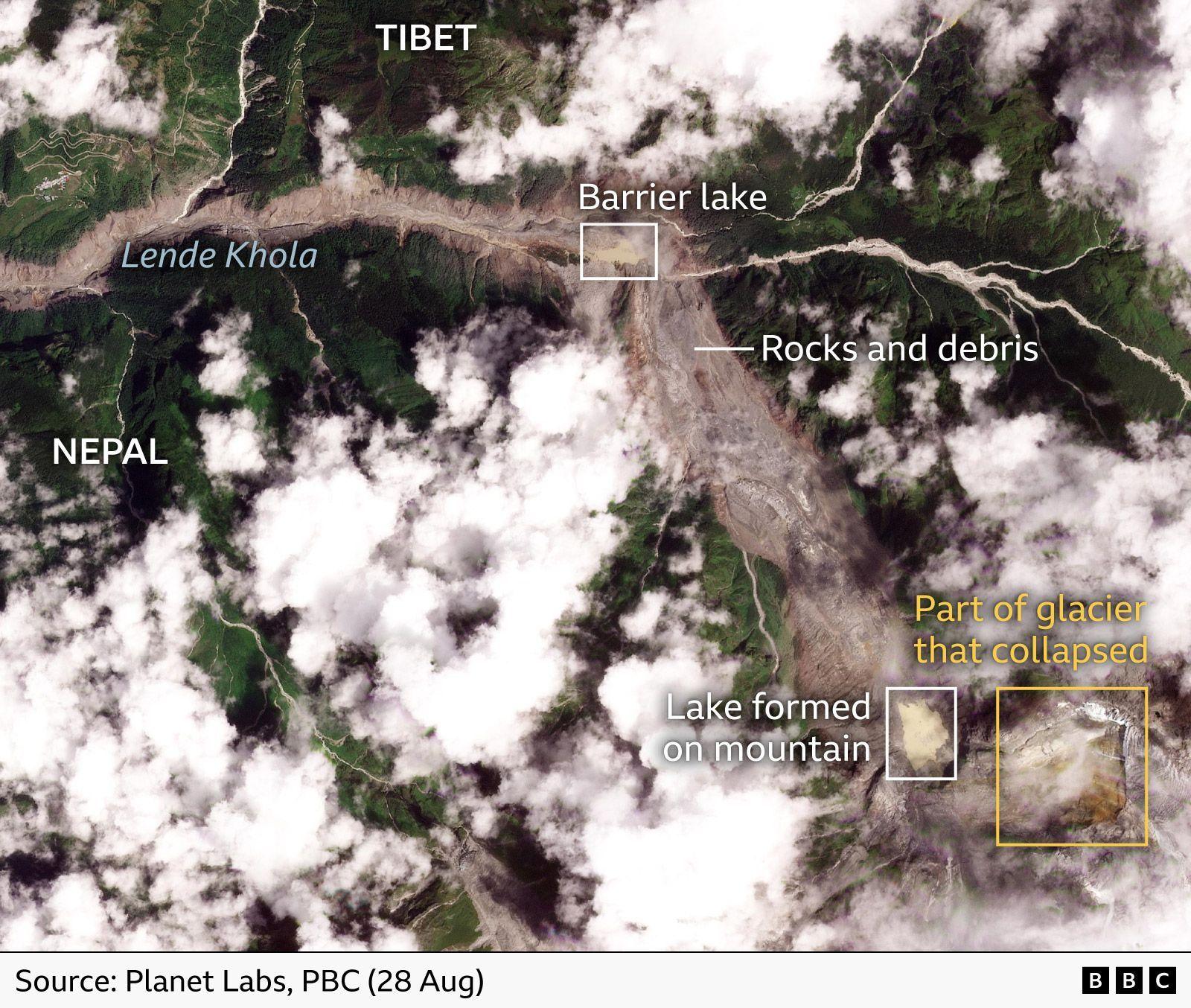
New satellite data revealed that the glacier feeding the Trishuli River had been moving faster, producing brown meltwater and developing rock cracks days before the disaster. Those signs were missed by conventional monitoring, making it impossible to warn those on or near the mountain slope in time.
The avalanche that caused the flood moved so fast that traditional warnings couldn’t help those immediately close to the peak. However, downstream, a comprehensive forecasting system could prevent similar tragedies in the future.
The Human Toll
The floods had a devastating effect on communities, destroying homes and leaving many without food, shelter or clear prospects. Workers like Tamang fear that if hydropower projects are shut down, they will have no means to support themselves.
He claims there are about fifty to sixty other workers who escaped the tunnel, but remains hopeful that those still inside will be rescued soon.
Looking Ahead
With Nepal’s power grid largely dependent on hydropower – over 99% of electricity is generated from water – ensuring safe construction and maintenance practices is crucial. The crisis highlights the urgent need for improved glacier monitoring, better construction safety, and robust disaster response frameworks before future hydropower projects are undertaken.