
In brief
The corporate landscape is shifting as Mattel and Ford address the financial implications of US tariffs, intensifying concerns over consumer spending.
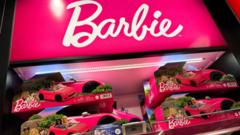
Mattel, the renowned toy manufacturer behind Barbie, has revealed it will increase prices on certain products in the US due to rising costs from tariffs imposed by President Trump’s administration. The firm indicated a significant reduction in its manufacturing of goods in China for the American market. Ford, the automobile giant, also reported that tariffs are expected to cost it around $1.5 billion this year, a significant financial burden echoing across multiple industries as major companies react to the uncertainty surrounding US tariff policies. In a recent investor update, Mattel expressed concerns over the unpredictable economic climate and its potential effects on consumer spending, especially in light of the upcoming holiday season, which typically sees a surge in toy sales. The US market is crucial for Mattel, accounting for nearly half of its global toy business, with approximately 20% of the company’s merchandise coming from China. The toy maker plans to drop its imports from China to under 15% by the next year in response to these changes. Since Trump's re-election, his administration has enacted tariffs as steep as 145% on various Chinese imports, raising questions about the broader economic implications. China’s retaliation has led to a 125% tax on US goods, escalating tensions between the two nations. Apart from China, Mattel sources products from countries such as Indonesia, Malaysia, and Thailand, which were also recently targeted by tariffs, although those tariffs have been temporarily postponed.Ford has similarly voiced concerns over tariffs contributing to their operating costs, estimating an additional $2.5 billion expense partially from Mexican and Chinese imports. In response, Ford has implemented strategies to mitigate some expenses, including rerouting vehicles from Mexico to Canada to skirt US tariffs. The uncertainties have prompted Ford to retract its annual earnings forecast, unable to predict the financial fallout from the evolving trade landscape.Other companies are reporting similar concerns; Intel outlined risks of a potential economic slowdown, while Adidas flagged higher prices for popular sneaker lines due to tariff impacts. Skechers and Procter & Gamble are also considering price adjustments to offset increased costs for materials and production, indicating that the ripple effects of tariff policies are felt across various sectors.Overall, the dynamic and unpredictable nature of current US trade policies is contributing to an uneasy market atmosphere, with many businesses bracing for potential economic repercussions that could lead to reduced consumer spending and slower growth.

