The eruption of the Fuego volcano in Guatemala has triggered the evacuation of at least two villages on its slopes.
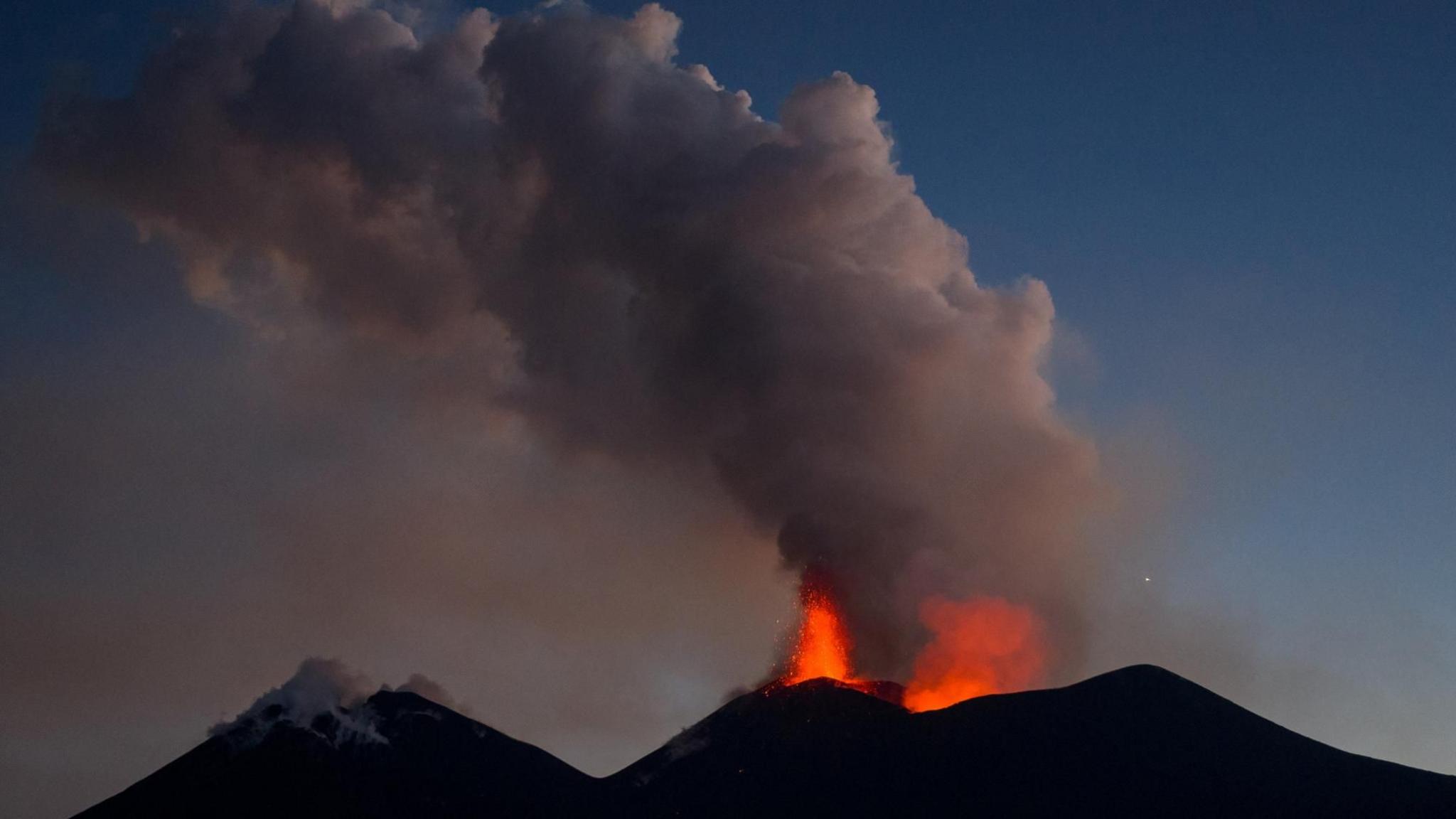
Fuego, one of the most active volcanoes in the Western Hemisphere, began spewing lava and ash on Monday.
Pyroclastic currents—rivers of gas, volcanic ash, and rock fragments—continued to flow down the volcano's south‑eastern slope early on Tuesday, according to the agency that monitors its activity.
Conred, Guatemala’s disaster management agency, issued an orange alert—its second‑highest warning level—reminding locals that further eruptions could lead to more pyroclastic flows and dense ash clouds.
People were advised to keep windows and doors closed, and schools near the volcano had lessons cancelled.
The volcano sits a mere 16 km (10 miles) west of Antigua, a city popular with tourists visiting its colonial heritage sites.
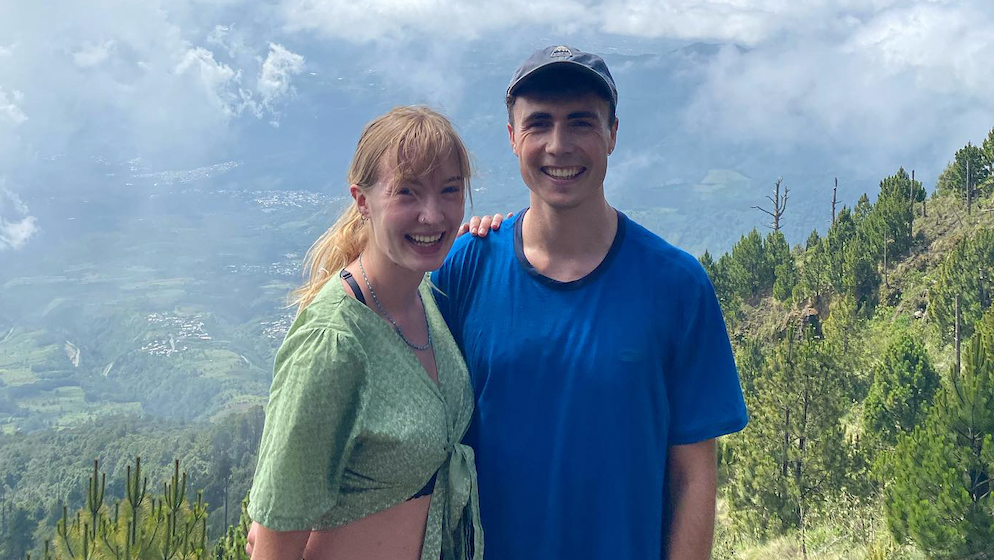
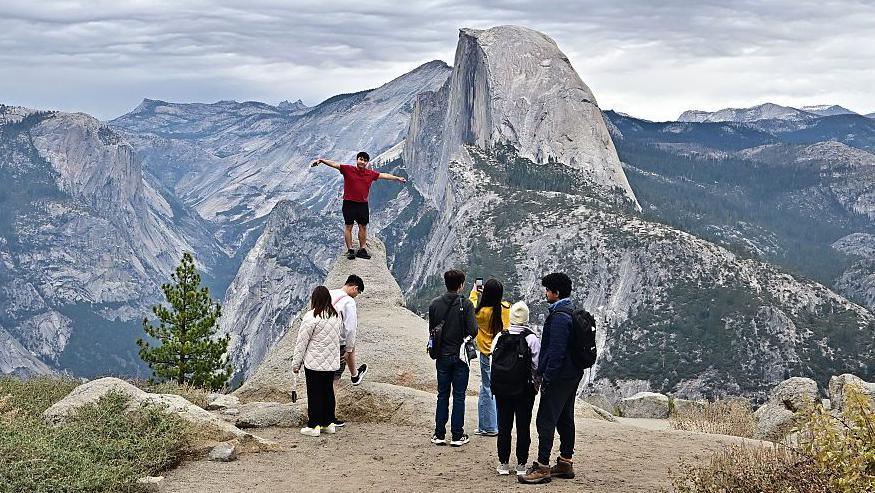
Fuego is also a popular destination for hikers, adding to the potential risk for visitors.
Conred cautioned that anyone near the volcano’s slopes should avoid approaching or remaining in high‑risk areas.
More than 200 people perished in the 2018 eruption of Fuego, when fast‑moving pyroclastic flows descended the Las Lajas ravine.