Ghana Leads the Charge for Slavery Reparations
The trans‑Atlantic slave trade is shifting from a historical footnote into a powerful call for reparations. In March the United Nations adopted a resolution that solemnly labels the history of slavery as "the greatest crime against humanity" – yet most European states, along with the United States, chose to abstain or vote against formal apologies. Ghana, the first sub‑Saharan African nation to gain independence, has positioned itself at the forefront of the movement.
Ghana’s Role
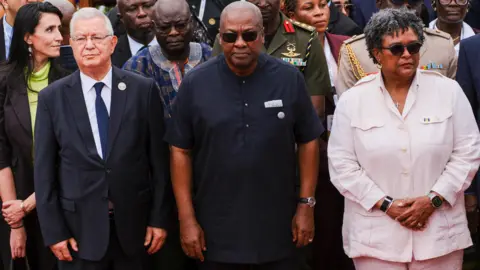
The country hosted a flagship summit in Accra in June, drawing around 80 delegations from across the globe. Ghana's foreign minister, Samuel Okuzeto Ablakwa, declared that the city is a "crime scene" where millions were shipped to the Americas and that the country has chaired the debate for reparatory justice. The government’s push includes financial compensation, debt relief and institutional accountability for entities that profited from the trade.
Church of England and Institutional Accountability
The Church of England, once a vital source of funding for the slave trade, has faced mounting pressure to abandon its £100m reparations fund. In July, Archbishop Sarah Mullally visited Cape Coast Castle, a former holding site for enslaved Africans, and spoke of the "deep‑minded evil" that the trade wrought. She offset the emotional gravity of the visit with a call for action, emphasising that the church’s financial recovery plans must translate into tangible reparations for affected peoples.
Local Leadership and Complicity
Traditional leaders in Ghana, such as the Ga Mantse King Tackie Teiko Tsuru II, openly apologise for the involvement of their ancestors in the slave trade. The king stresses that acknowledging past wrongs reinforces Africa’s moral integrity and that reparations should stem from genuine human connection rather than commerce.
Tourism, Diaspora and Genuine Healing
A concerted initiative has invited African‑Americans and other diaspora members to return to Ghana, promoting a shared narrative of trauma and hope. Critics warn that the tourism industry is capitalising on this legacy, demanding entrance fees for historic sites while marginalising local residents. The push for reparations emphasises that the healing process must prioritize people and communities, not just monetary transactions.
The discussion continues to evolve worldwide, as nations debate the practicality of reparations, the scale of compensation and the moral responsibility of former slave‑owning powers. Ghana’s leadership has brought the conversation into sharper focus, demanding a concrete reckoning with the enduring legacy of slavery.