Delhi, 27 July – When Education Minister Dharmendra Pradhan resigned this month, it felt like a breakthrough for the country’s biggest youth demographic. For more than 12 years under Narendra Modi, that was the only cabinet resignation. The event marked a turning point for Gen‑Z activists who have been tired of silent politics.
A chain of events began in May, when India’s national medical test, NEET, was cancelled after a question paper leak forced almost two million students to retake the exam. Reported by the Court of Justice, the leaks led to the deaths of over 20 students who took their own lives. As a protest movement, it evolved into the satirical “Cockroach Janta Party” (CJP), an online campaign that rallied students to demand Pradhan’s removal and reforms in education policy.
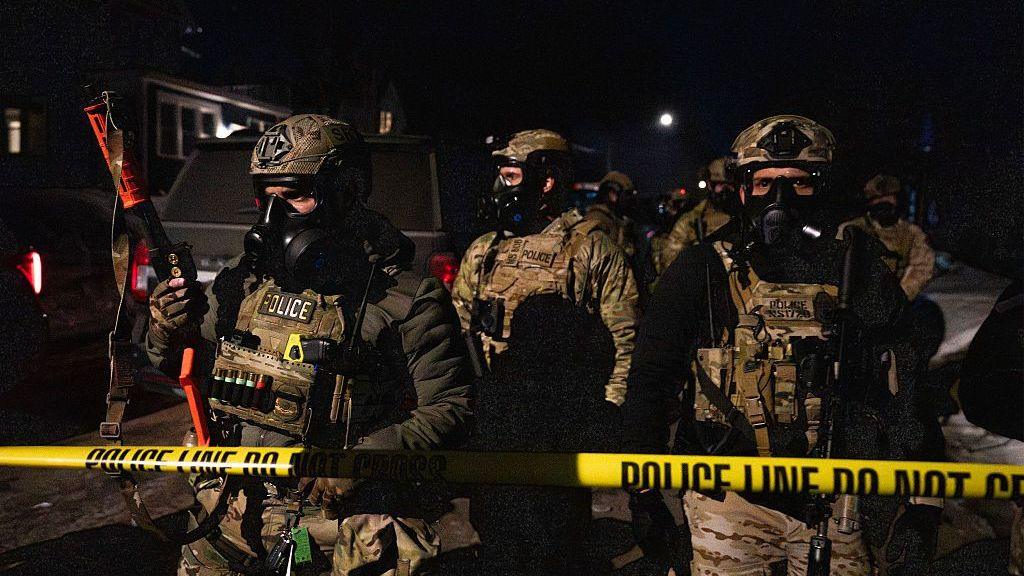
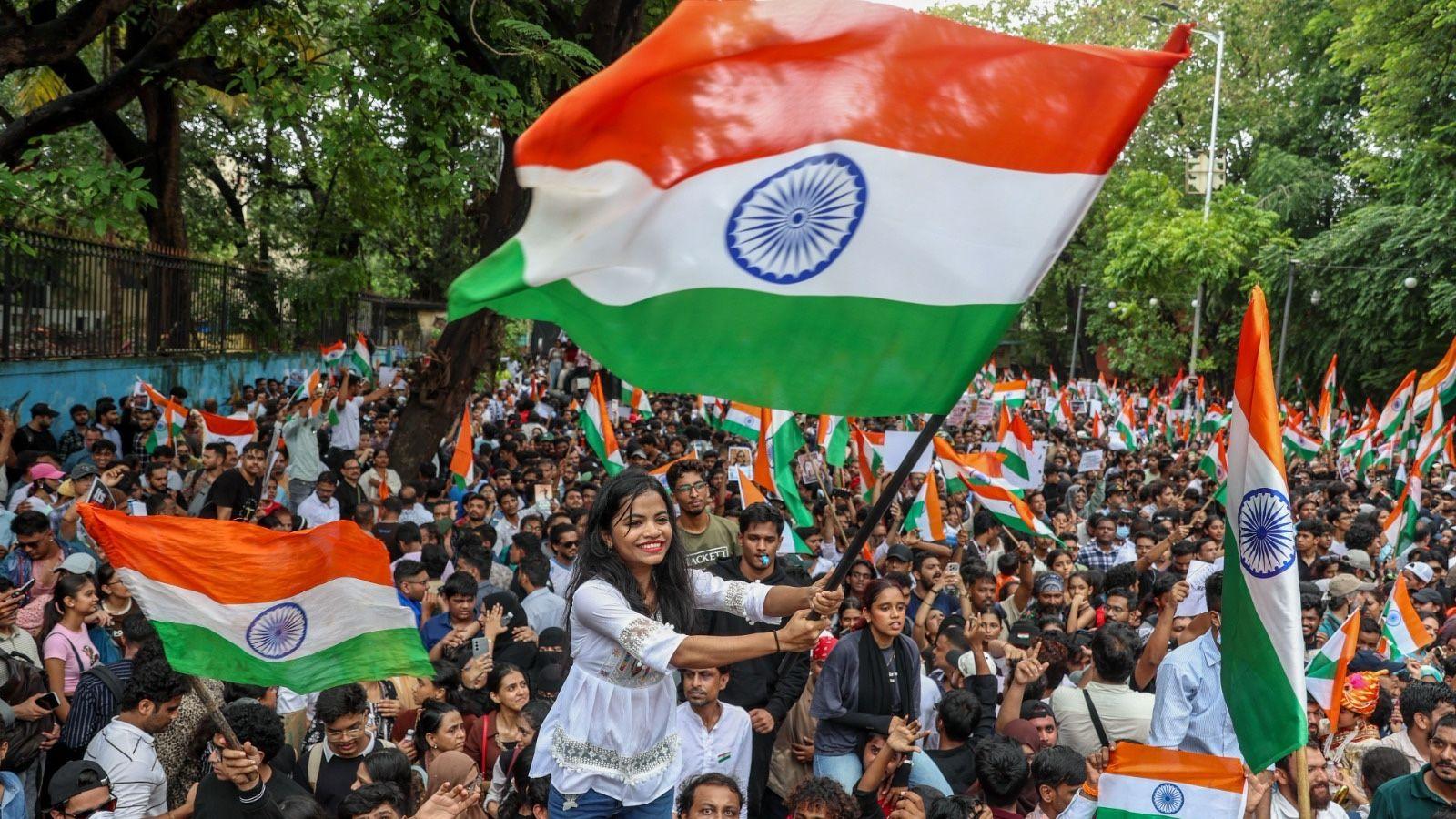
The movement gained momentum on 18 July when Delhi police forcibly removed a hunger‑striking teacher, Sonam Wangchuk, and hospitalised him. Within two days, tens of thousands marched on Parliament. Police used baton charges, tear gas and pellet guns – footage that spread overnight on platforms like Instagram and Facebook, which amplified anger and turn the protests into a national conversation.
08:23 – In the months that followed, student activists like 22‑year‑old Sakhi wrote that they “can make things happen through protests” for the first time. Sakhi posted videos of police assaults and even used mocking reels featuring officers, generating millions of views. The police had attempted to control narrative via mainstream channels like Facebook but missed Instagram, the lifeline of the youth movement. In an interview, Sakhi urged that “larger issues should continue to be addressed.”
Sakhi and other students also raised concerns about the wider fallout of the NEET scandal. Legal‑studying Somaya Korde— a first‑generation law graduate from a “backward” community— claimed that losses in school and college security, coupled with a saturated labour market, reveal a system that rewards hard work only if youth question its flaws. “In a democracy we must hold the government accountable,” she said.
The rise of social media cultures helped to compress lengthy narrative phrases into short videos. For instance, 18‑year‑old Harshvardhan Kadam filmed a protest in Mumbai on 23 July that documented a policeman threatening to frame him in a fake drugs case. His Instagram reel, now viewed nearly 10 million times, caused the constable’s suspension. Kadam echoed the sentiment that Pradhan’s resignation was a start; “This is just the beginning.”
The stories of these activists underline how student unrest has pivoted from being a quiet talk to a public “fight for right”. A 29‑year‑old screen‑writer, Swaraj Priyo, expressed that years of protest have given Gen‑Z doubt, but the current movement has taught them that questioning is still possible. Some sites across the country now display posters that read, “Pradhan was just an example. Modi’s turn is next.”
Yet, uncertainty lingers. Many protestors, including Varuni Poorva, have sought anticipatory bail, after police charged more than 100 protestors for ‘attempted murder' and arrested 40. Human Rights Watch has cautioned that Indian authorities have routinely used counter‑terrorism laws to target peaceful protesters and journalists. Despite promises of non‑crackdown, concerns about a forthcoming “witch hunt” continue.
India’s youth population – the world’s largest – faces an unemployment rise of 16.2% among 15‑ to 29‑year‑olds as compared to 13.8% a year earlier. Even graduates struggle: a 2026 Azim Premji study noted that fewer than 7% of job seekers secured full‑time paid work within a year. The joining swirl of protests offers a platform for young citizens to voice these anxieties. Whether the current wave translates into structural reforms remains to be seen, but it clearly signals that the government must reckon with a generation that “no longer waits for an opportunity.”