In brief
With no end in sight for the government shutdown, many federal employees face financial strain and challenges in accessing unemployment benefits. Imelda Avila-Thomas, a Department of Labor worker, highlights the difficulties faced by furloughed employees and the inconsistencies in state unemployment systems. As the number of unemployment claims rises, many worry about the long-term impact of the shutdown on their livelihoods.
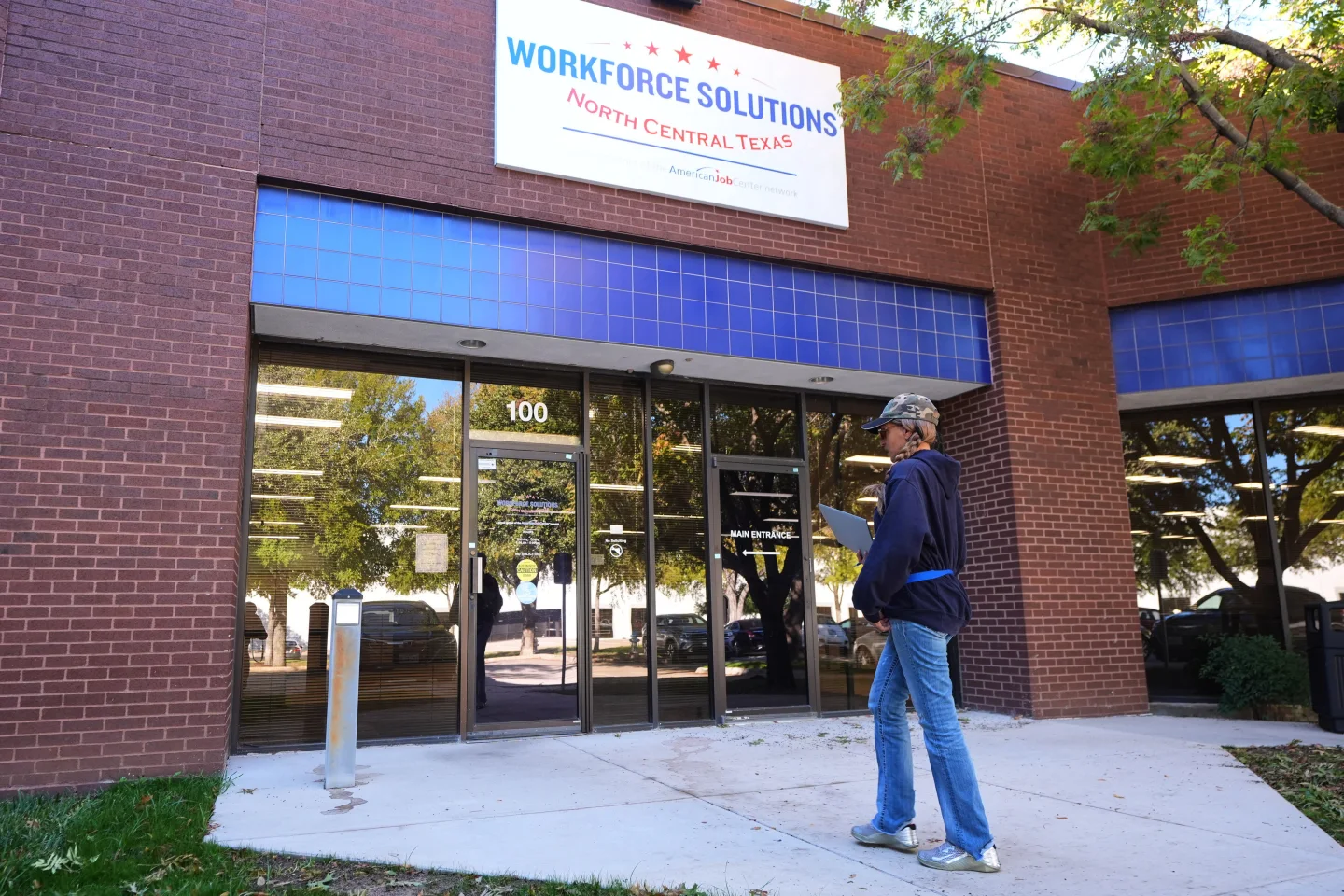
For over two weeks during the government shutdown, many federal employees, including Imelda Avila-Thomas, have been struggling to secure unemployment compensation to assist with essentials like food and mortgages during their unpaid leave from federal jobs.
Avila-Thomas, a Department of Labor employee from San Antonio, requested evidence of her income after being deemed ineligible for benefits because the system could not verify her wages. She questions whether someone who could assist her has also been furloughed.
As a mother and local union leader, Avila-Thomas is among thousands of furloughed federal workers confronted with navigating a complex unemployment system, which, according to the Bipartisan Policy Center, has seen a marked increase in claims but still reflects only a fraction of the more than 670,000 furloughed federal workforce. The specifics of unemployment assistance vary significantly by state.
Data shows that approximately 26,000 federal workers filed initial claims from September 28 to October 18. That number includes 3,300 applications made just days before the shutdown began on October 1.
Furloughed workers, like Avila-Thomas, face uncertainty surrounding unemployment benefits, particularly as the awaited federal shutdown resolution may complicate their claims. Receiving back pay post-shutdown could mandate the repayment of unemployment assistance, a prospect Avila-Thomas is considering carefully to avoid accumulating debt.
Avila-Thomas has worked diligently in her role at the Labor Department for 16 years. She also faces additional financial strain as her husband, a disabled veteran, works under the Department of Veterans Affairs but support from a single income has forced them to cut necessary expenses, such as their daughter's tutoring services for her dyslexia, and seek assistance from a food bank.
This aid would cover essential needs, Avila-Thomas stated, representing a significant concern for many union members now reaching financial distress.
Unemployment benefits for furloughed federal workers are significantly reliant on state laws and processing capabilities, leading to varied and often insufficient support. For instance, weekly maximum benefits range from as high as $1,105 in Massachusetts to as little as $235 in Mississippi, with many states providing amounts under $600 per week.
While states usually complete claim processes within a few weeks, verification for many furlough victims has been delayed since many federal agencies are unable to function during the shutdown.
Additionally, individuals who remain employed without pay, approximately 730,000 federal workers, are not eligible for unemployment benefits and will receive back pay once the government resumes normal operations.
While the shutdown's uncertain time frame looms over affected employees, Avila-Thomas and many like her are eager for a resolution that would end their hardships. We’re ready to get back, she shared, expressing the eagerness to return to normalcy amidst ongoing disruptions.