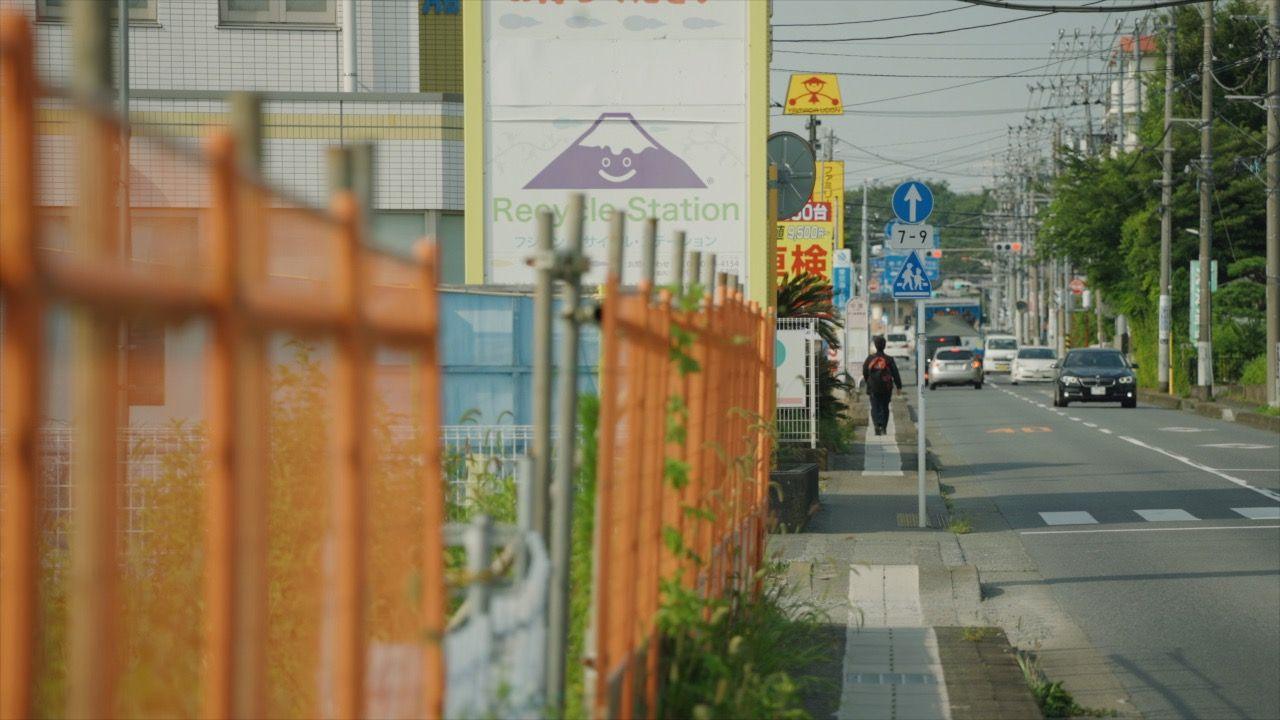
Fujisawa’s streets are about to host Japan’s first mosque. The announcement has ignited a wave of emotions: worry, fear, hope, and acceptance.
Long‑time resident Noriko Izumizawa says, ‘I am worried about how our community might change.’ She is not alone – many Fujisawa residents fear the increasingly visible Muslim community.
Earlier this year, anti‑mosque protests erupted at the local train station. Thousands walked the streets to object to the project, arguing that a mosque larger than the nearby Shinto shrine is disrespectful.
Reports of hate speech and misinformation spread on Japanese social media. Mosques have received abusive phone calls and emails, prompting anti‑hate groups to organise counter‑protests calling for no hate.
Businessman Mohamed Mohideen, a Sri Lankan migrant living in Osaka for 39 years, notes that locals have become hostile over the years, with comments such as ‘Get out of Japan’ and ‘Go back to your country.’ He stresses the importance of dialogue and mutual understanding.
Japan’s Muslim population has risen sharply – from 230,000 in 2019 to roughly 420,000 at the end of 2024 – as the country grapples with a shrinking population. The foreign resident population has surpassed four million, prompting government action on visa fees and enforcement.
Fujisawa residents have never had a negative encounter with a Muslim neighbour, but exposure to the mosque and the wider local community has brought up fears of the unknown.
Realising that the country is at a crossroads, the debate in towns like Fujisawa highlights a larger question: can Japan become a more diverse society while preserving its sense of identity and cohesion?