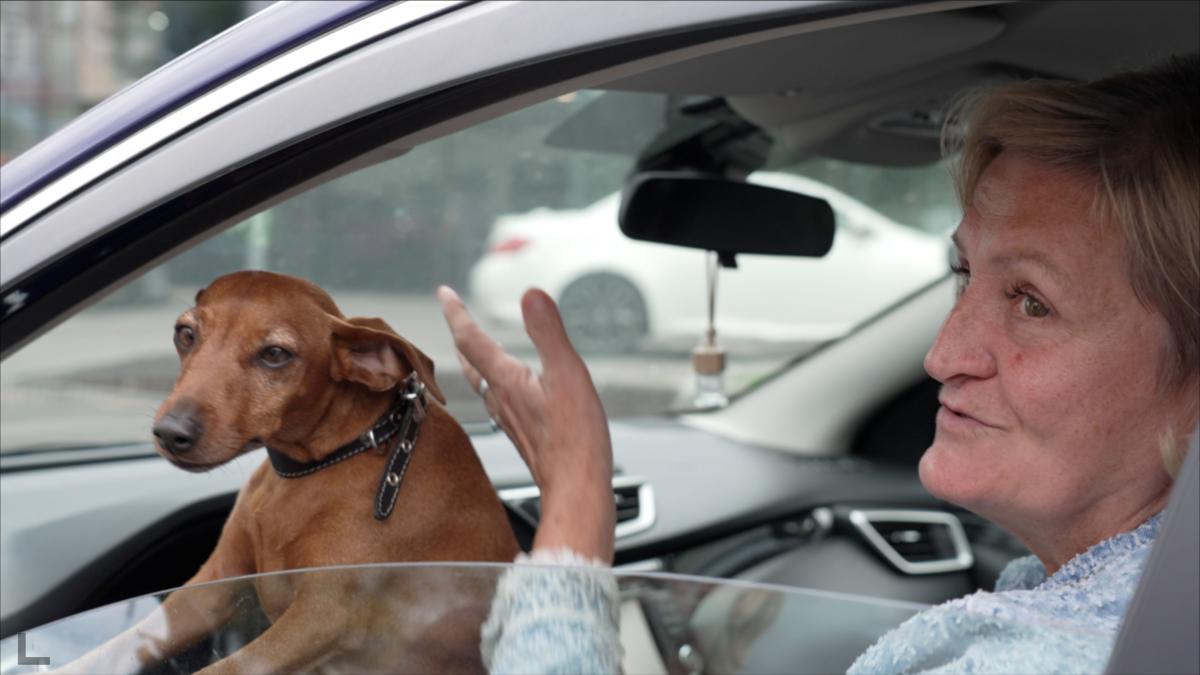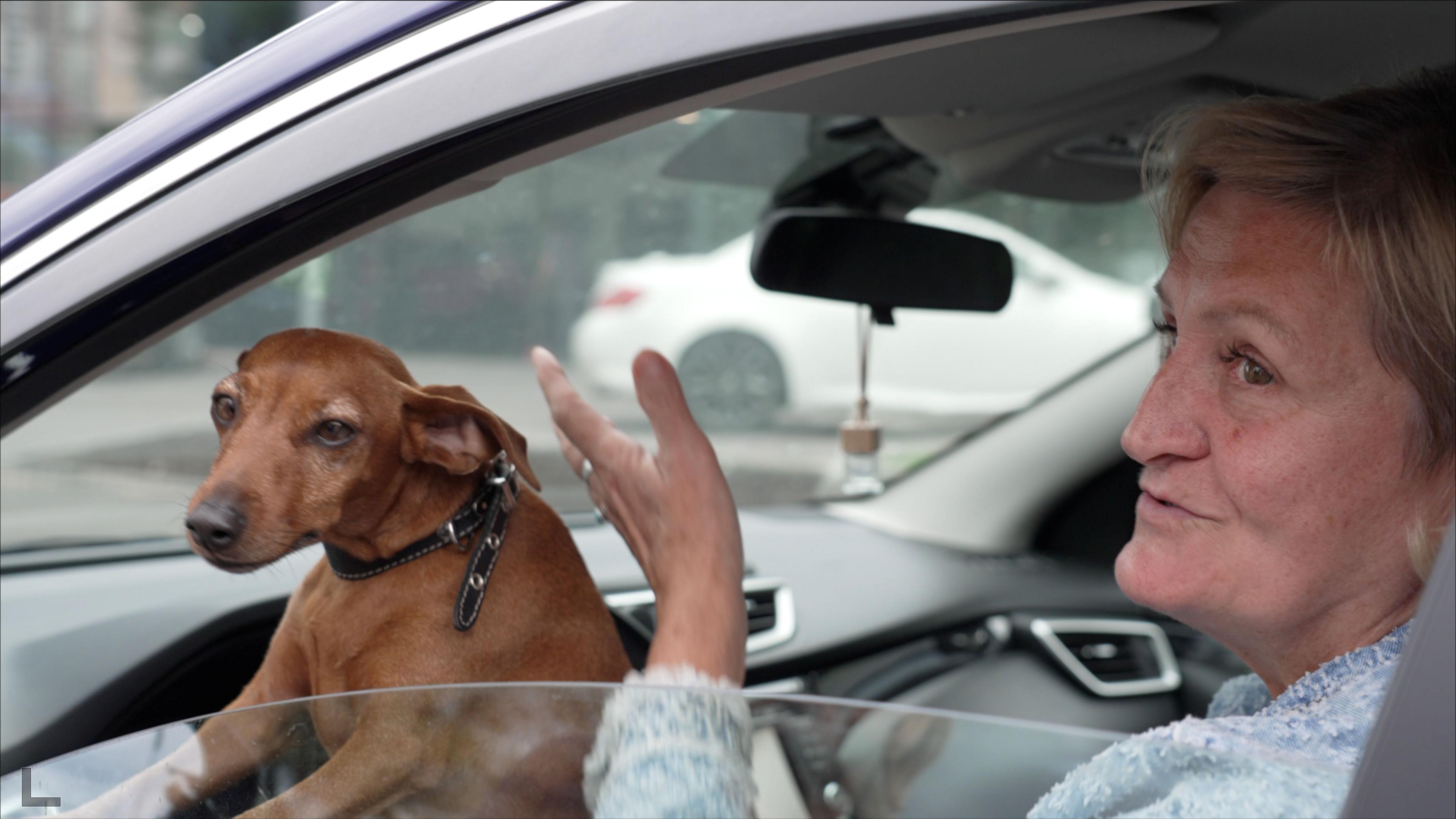
Moscow’s south‑east side has become a never‑ending line of cars as residents wait for petrol that will likely arrive only tomorrow. Svyatoslav, a local driver, is one amongst many who have hunkered down behind rolling doors, hoping the station’s sign will change from “no fuel” to “available.”
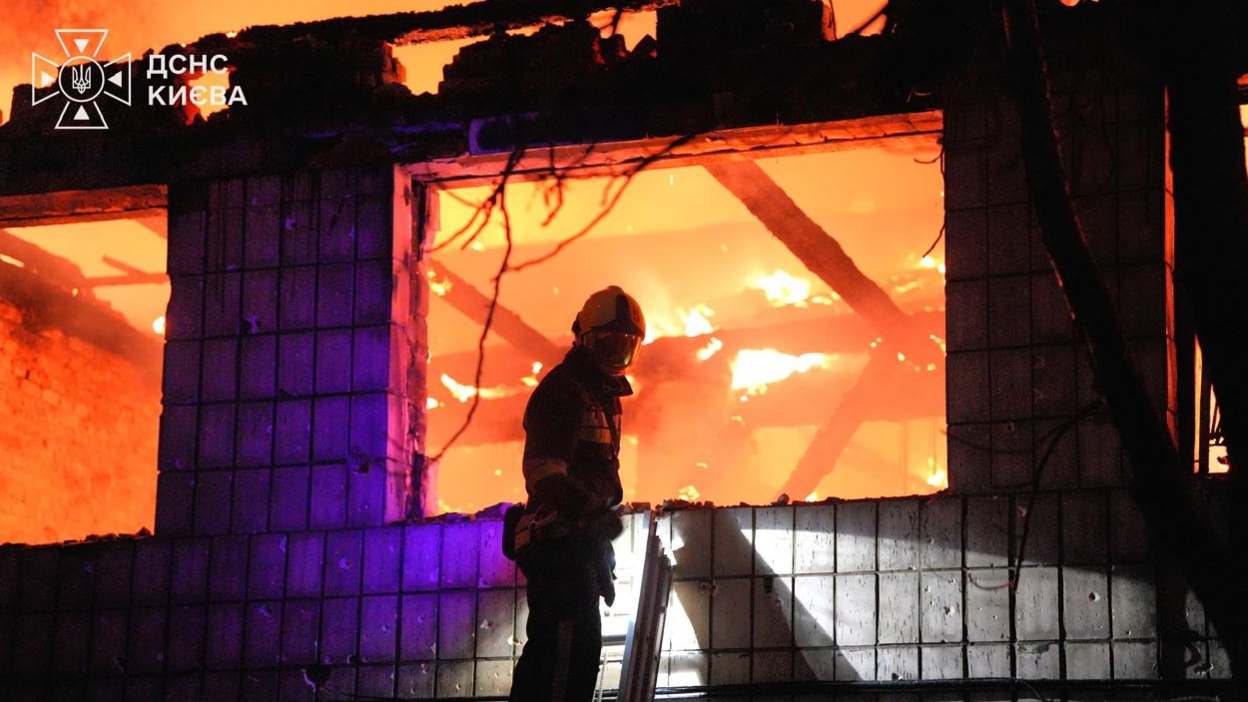
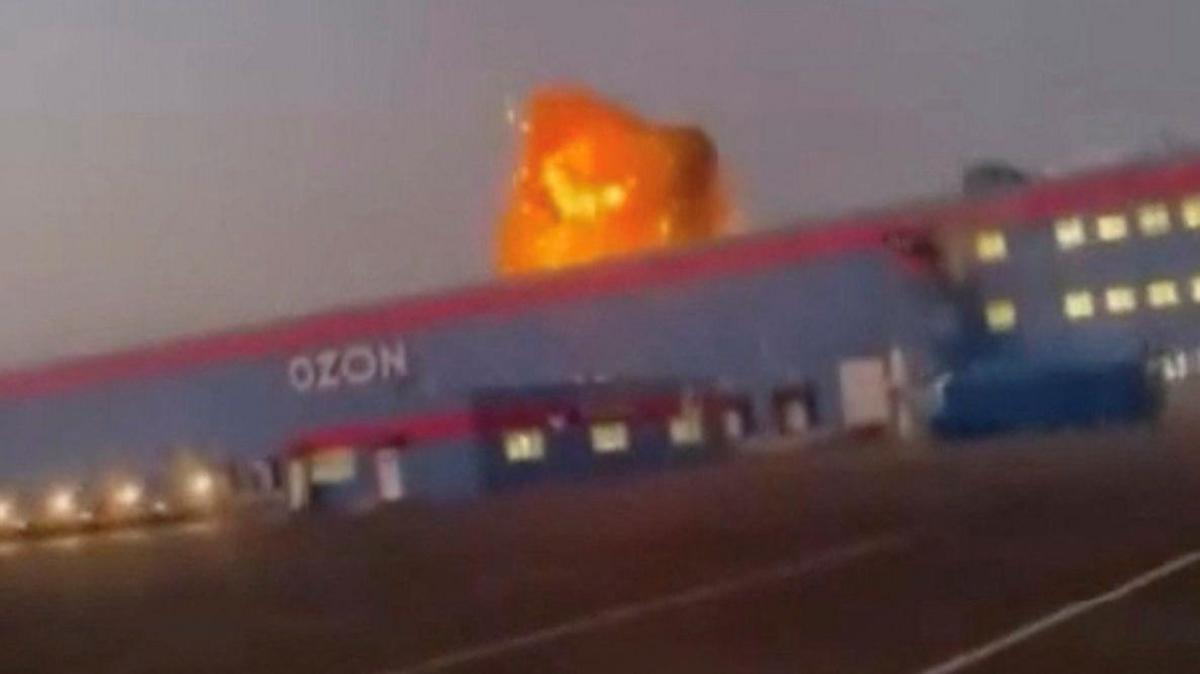
The root of this crisis is the series of Ukrainian drone strikes that have knocked out Russian refineries. Each time an oil plant suffers damage, the country’s refining capacity drops, and the supply of gasoline cascades down to rural highways and central metros alike. Officials describe the current situation as a “second wave” of fuel shortages, a term that underscores a lingering interruption rather than a fleeting stock‑out.
To keep engines turned on, Moscow is temporarily allowing the sale of lower‑grade petrol (Euro 2), a fuel previously banned in Russia for containing up to fifty times more sulphur. Though it may not ruin a modern engine in a single refill, it could erode the safety margin of catalytic converters, spark plugs and fuel injectors after repeated use—an unavoidable compromise for many in the city.
Even as fuel lines grow taller, patriotic banners proclaim “Russian Flag Day” across Moscow’s plazas. Children gather in front of petrol stations only to draw back when the pumps are empty, laughing as they try to carry faces of national pride. Yet interviews with locals reveal that the flag’s glow is dim when the bell of the night market rings and the scent of fried meat is replaced by the smell of burnt plastic.
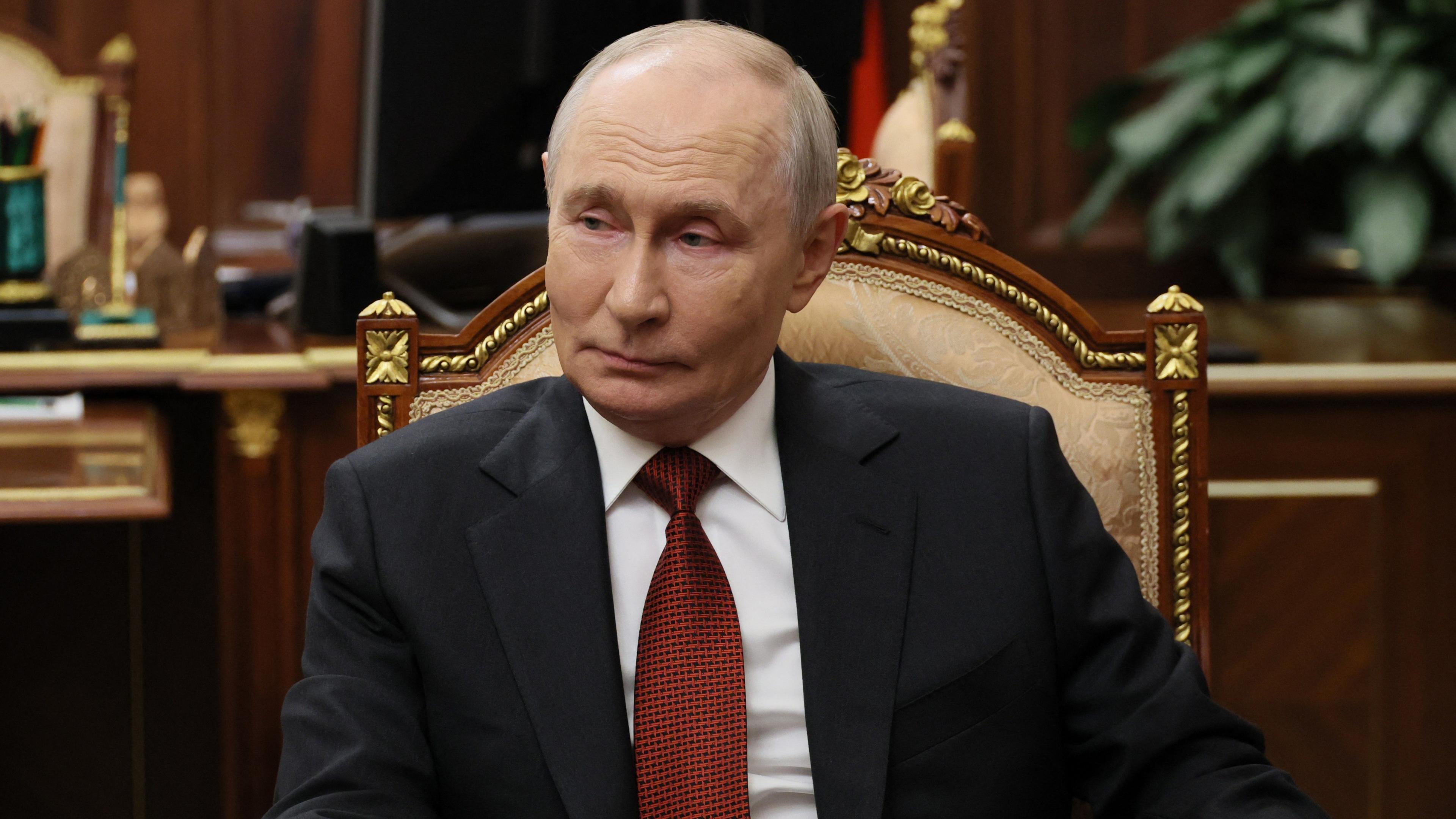
Elizaveta, a driver who began queuing at ten p.m., describes the mood shift: “By midnight I had reached the front. But the station closed until 2 a.m.” She and many others point to the growing psychological impact of daily uncertainty, with the fear of missing an opportunity to fill a tank become a constant mental load. That imbalance culminates in a wave of anxiety reported in recent surveys—even though President Putin urged calm to the populace.
Amidst the crisis, and in a stark contrast to the steady supply of weapons for display, the city simultaneously hosts a different kind of confrontation: a silent one. Radicals promoting nationalistic imagery stand in the streets—American‑styled candy‑floss stalls alongside AK‑47s and rocket launchers—creating a tapestry of hope and the harsh reality of a militarized society. The vivid juxtaposition of patriotic banner and fueling station underscores the strange new world in which people carry their flags, but may not have a full tank of petrol.
For Moscow’s residents, the war’s footprints are not merely in headlines. They are in the bullet dents of every open garage door, in each wide‑open ambulance’s headlight, and in the moments an empty pump redefines the distances travelled. Over the next months, whether the government can resolve refinery issues or bring additional supplies, the city’s daily rhythm of waiting will grip the next rounds of meetings, the next wireless deals and each citizen’s patience.