In brief
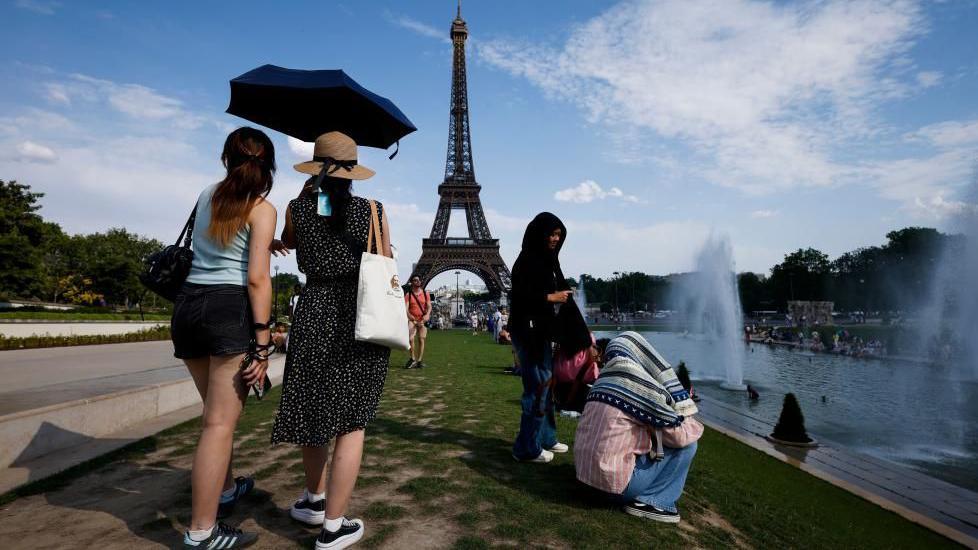
Since 19 June, France has recorded 301 drownings, a 14% increase from last year, with Sports and Youth Minister Marina Ferrari attributing the spike to prolonged heatwaves. Emergency officials warn that many deaths occurred in unregulated open water and private pools as people seek relief from soaring temperatures. The government is coordinating with regional authorities to improve supervised swimming areas and reduce the risk of cold‑water shock. France’s experience comes amid Europe’s hottest summer, blazes that have scorched hundreds of thousands of hectares and forced displacement in the south‑west. Climate‑change statistics show Europe is warming twice as fast as the globe, heightening the danger for both water‑related incidents and wildfire outbreaks.
France reports a 14% spike in drownings linked to ongoing heatwaves.
Since 19 June 2026, 301 people have drowned in France, compared with 263 the previous year. Sports and Youth Minister Marina Ferrari called the deaths a "tragic toll" and blamed the country’s extended heatwaves for pushing residents into unsafe waters.
Many fatalities occurred in unregulated open water, such as canals, and in privately owned swimming pools. State officials warn that sudden immersion in cold water on a hot day can cause shock and overwhelm people’s physical limits.
Ferrari emphasized that the government is working with regional authorities to improve supervised swimming areas and enhance safety measures. She also highlighted the need for better regulation of private pools, especially for the elderly.
The heatwave’s impact extends beyond drownings. The River Garonne reached temperatures above 28°C, forcing a temporary shut‑down of a nuclear power plant, and the Gironde region suffered major wildfires, displacing more than 200,000 residents in late July. France has logged 7,300 excess deaths between late May and 22 July, underscoring the widespread health crisis.
These incidents illustrate how climate change, which is accelerating Europe’s warming at twice the global average, heightens risks across public health, infrastructure, and natural events. Continued monitoring and adaptive safety protocols are critical to mitigating future tragedies.