MIAMI (AP) — Christopher Day, a U.S. Army Reserve lawyer recently assigned as a federal immigration judge, was terminated after a month in the position, following decisions to grant asylum at a rate inconsistent with the Trump administration’s immigration policies aimed at mass deportation.
Appointed in late October, Day began his tenure at the immigration court in Annandale, Virginia, but was notified of his dismissal around December 2. The National Association of Immigration Judges has confirmed his firing.
The exact rationale for Day's dismissal remains unclear. Attempts to reach Day for comment were unsuccessful, and a spokesperson from the Justice Department cited personnel matters as the reason for their inability to provide details.
Federal data from November indicated that Day granted asylum or other forms of relief in six out of the eleven cases he handled, contrasting sharply with the administration’s crackdown on asylum approvals.
As the Trump administration attempted to decrease a backlog of over 3.8 million asylum claims, favorable rulings for migrants have become increasingly difficult to find. The administration's push has involved a broad overhaul of the immigration court system, including the firing of nearly 100 judges deemed too liberal.
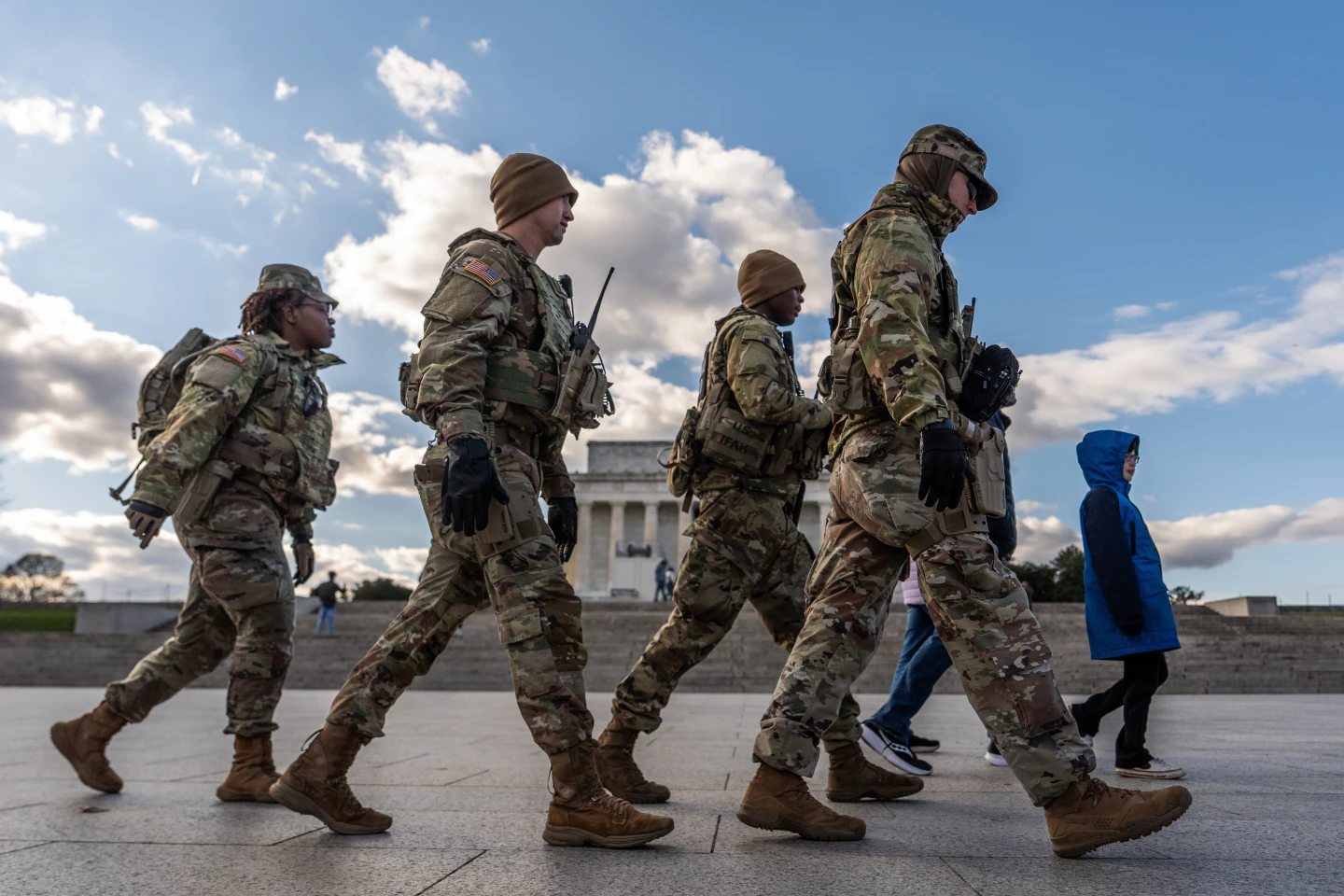
The influx of military lawyers into immigration courts — including Day — has drawn criticism for potentially undermining the impartiality and traditional roles of judges. Critics argue that military members lack the necessary experience in immigration law, likening them to specialists forced into irrelevant medical disciplines.
Yet, it appears military judges have largely met the administration's expectations, with data suggesting that 90% of migrants whose cases were overseen by military judges in November were removed or compelled to self-deport. In contrast, traditional judges had a removal rate of 63%.
Day’s termination raises questions about political bias influencing immigration judgments. According to Dana Leigh Marks, a retired immigration judge, the rapidity of Day's firing indicates possible ideological motives, especially given the lack of civil service protections for military judges and their heightened vulnerability in politically charged assignments.
Despite the military’s mandates that shield such judges from interference regarding their independent decisions, questions linger regarding the applicability of traditional legal standards to military lawyers operating in immigration courts. The implications of Day’s dismissal could have far-reaching consequences for the future of impartial judicial processes within the broader immigration landscape.