
In brief
India's plan for a massive development project on Great Nicobar Island has raised alarms among indigenous tribes and environmentalists, as fears mount regarding the potential displacement of local communities and irreversible harm to the region's fragile ecosystem.
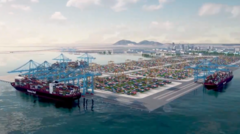
Despite its remote and untouched charm, the Great Nicobar Island is now in the spotlight as India sets out to unveil an ambitious $9 billion development project that mirrors Hong Kong's bustling infrastructure. Anice Justin, an anthropologist who has spent decades studying the Andaman and Nicobar archipelago, shared his concerns about the impending changes to the islands that represent a vital lifeline for their inhabitants. The development plan, estimated to span over 166 square kilometers, will include a transshipment harbor, a power plant, an international airport, and a newly established township. Garnering geopolitical support, the project aims to bolster international trade routes crucial to the Indian economy, particularly to counter China's increasing foothold in the region.However, many islanders, particularly the vulnerable Shompen tribe, fear that such towering developments would not merely alter their way of life but could result in their extinction. The Shompen people, residing primarily in the forest, depend entirely on their ancestral lands for survival. They are largely uncontacted, and their unique culture risks being obliterated by external influences. "The loss will be especially huge and traumatic for them," Justin remarked, highlighting the stark contrast between traditional lifestyles and modern industrialization.Environmentalists have raised alarms about the ecological repercussions of the project, as the Great Nicobar Island is home to extensive rainforest ecosystems. The Indian government asserts that merely 14% of the island will be cleared; nonetheless, environmentalists project that the actual deforestation might be significantly higher, potentially leading to the loss of nearly a million trees. Ecologist Madhav Gadgil emphasized that the infrastructure will inevitably lead to additional pollution and habitat disruption beyond the areas specified for clearing.Despite the federal government's claims of environmental checks and balances, critics remain skeptical. Earlier in the year, a group of 39 international experts denounced the project as a "death sentence" for the Shompen tribe, who have few resources or knowledge to adapt to a modern, industrialized environment. Additionally, the government's plans raise alarms about the exposure of these uncontacted tribes to diseases, as historically, contact with outside populations has devastated indigenous groups. The ongoing concerns extend beyond land to marine life, with potential threats to species such as the giant leatherback turtle and saltwater crocodiles, which are native to the Galathea Bay area.As the project unfolds, anxiety persists among the island's inhabitants. The balance between progress and tradition remains delicate, with many questioning whether the dream of development will come at too great a cost to both the environment and the indigenous communities that have thrived in harmony with it for centuries.


