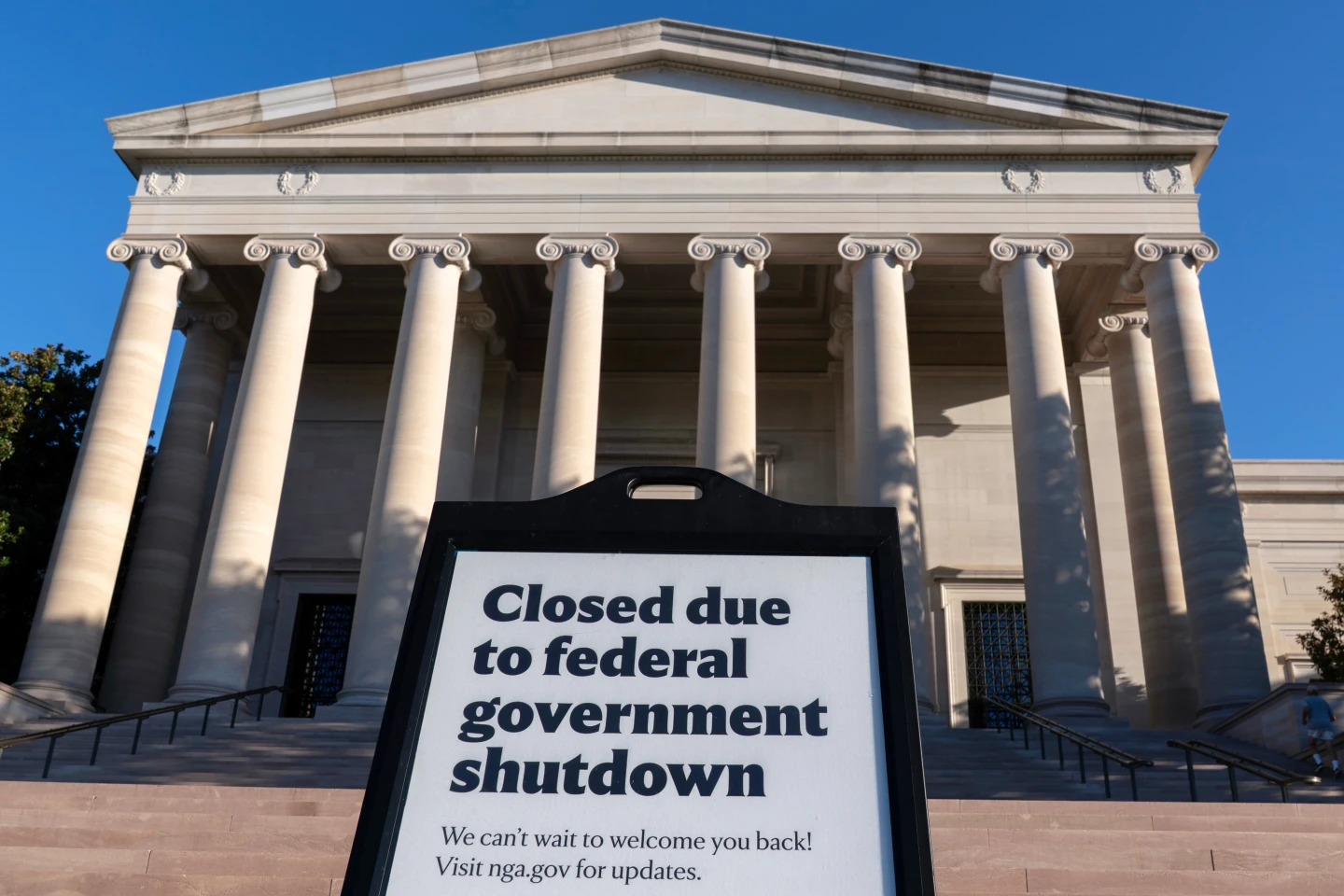
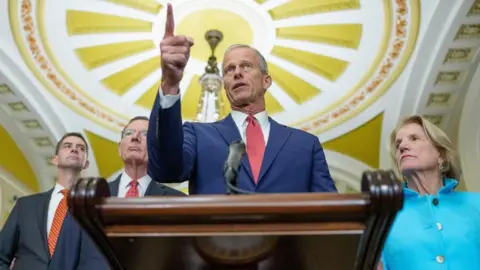
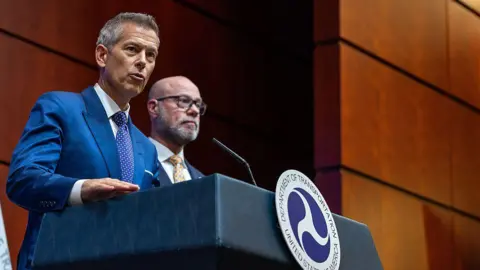
The US federal government has shut down after Republican and Democratic lawmakers failed to resolve a budget stand-off. The impasse affects the funding of government operations throughout October and beyond, and is poised to cause widespread disruption for Americans in areas ranging from air travel to zoo visits. The political gridlock is also expected to put 40% of the federal workforce – about 750,000 people – on unpaid leave.
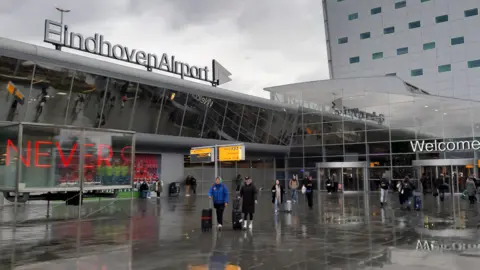
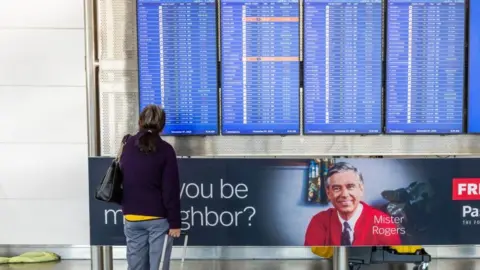
As a result of the shutdown, flyers may face long security queues and delays due to unpaid air traffic controllers opting to stay home. Although air traffic control and TSA workers are considered essential and will continue working, they will not be paid until the shutdown ends, potentially leading to increased sick calls and operational delays.
Federal employees will likely be hardest hit, with many not receiving pay while working unpaid during the shutdown. Certain essential services like law enforcement and health programs will continue, but may experience staffing shortages, causing interruptions.
National parks, usually open to the public, could close their doors as park rangers and staff are directed to stay home. Past shutdowns have led to vandalism and damage when parks were left open without oversight. A group of former park superintendents has warned against this practice, advocating for complete closure of parks during the shutdown.
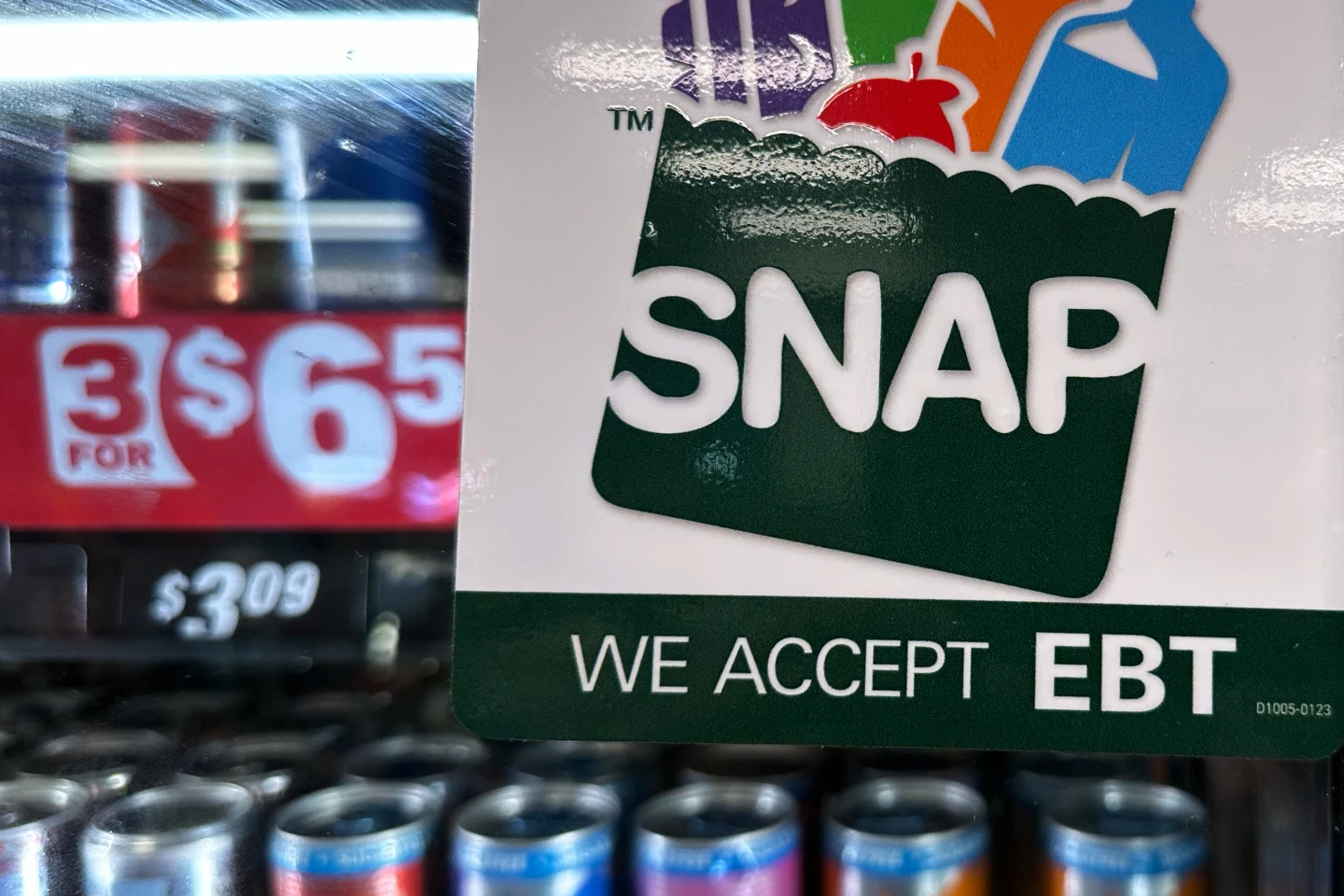
Also impacted are some social health programs, which may face interruptions due to a lack of staff. While programs like Medicare and Medicaid will continue, the risks of funding shortages loom large. In contrast, the US Postal Service will remain operational as it does not depend on federal funding.
For those wondering about the duration of the shutdown and specific federal employee impacts, it is crucial to stay updated as ongoing discussions and potential resolutions occur in Congress.
As a result of the shutdown, flyers may face long security queues and delays due to unpaid air traffic controllers opting to stay home. Although air traffic control and TSA workers are considered essential and will continue working, they will not be paid until the shutdown ends, potentially leading to increased sick calls and operational delays.
Federal employees will likely be hardest hit, with many not receiving pay while working unpaid during the shutdown. Certain essential services like law enforcement and health programs will continue, but may experience staffing shortages, causing interruptions.
National parks, usually open to the public, could close their doors as park rangers and staff are directed to stay home. Past shutdowns have led to vandalism and damage when parks were left open without oversight. A group of former park superintendents has warned against this practice, advocating for complete closure of parks during the shutdown.
Also impacted are some social health programs, which may face interruptions due to a lack of staff. While programs like Medicare and Medicaid will continue, the risks of funding shortages loom large. In contrast, the US Postal Service will remain operational as it does not depend on federal funding.
For those wondering about the duration of the shutdown and specific federal employee impacts, it is crucial to stay updated as ongoing discussions and potential resolutions occur in Congress.