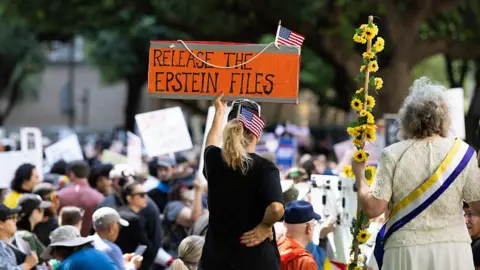
The release of thousands of pages of documents related to the late sex offender Jeffrey Epstein's abuse by the US department of justice (DOJ) has left some who were anxiously awaiting the files disappointed. By law, the DOJ had to make all materials public by the end of Friday. But only some have been released, many with numerous redactions.
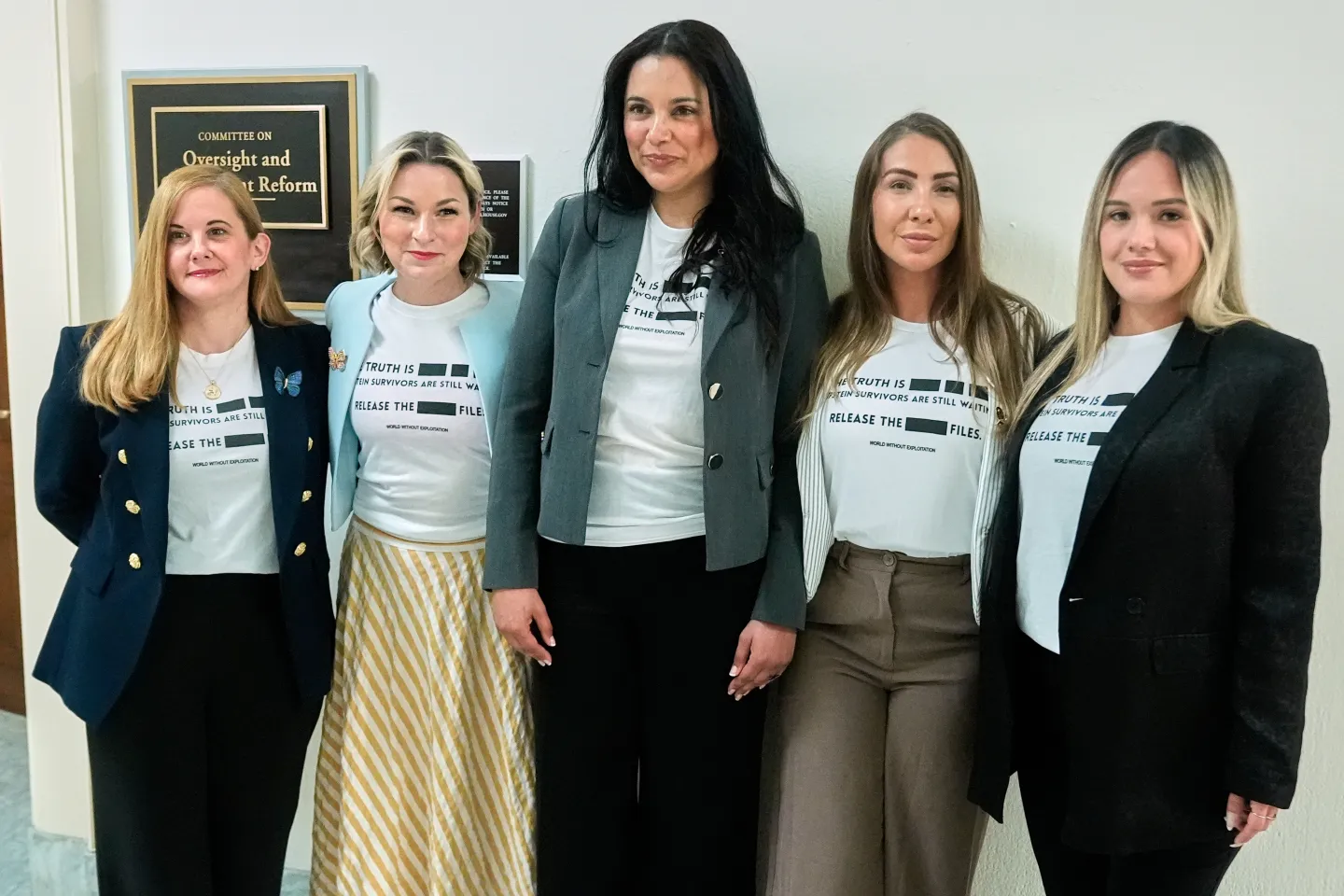
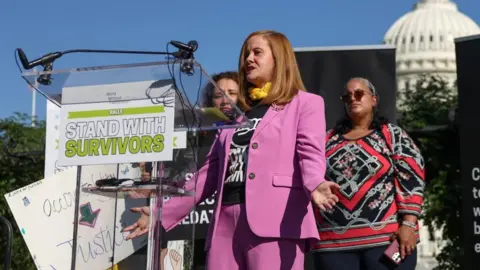
The lawmakers who pushed for these documents to see the light of day have described the DOJ's efforts as insincere, and some legal experts say that the redactions may only fuel ongoing conspiracy theories. We just want all of the evidence of these crimes out there, Epstein survivor Liz Stein told the BBC.
Ms Stein told Radio 4's Today programme that she thought the justice department was really brazenly going against the Epstein Files Transparency Act - the law that requires all the documents to be released. Survivors are really worried about the possibility of a slow roll-out of incomplete information without any context, she noted.
Marina Lacerda, another survivor, echoed these concerns, stating some victims were still nervous and sceptical about the release of remaining files. We are a little disappointed that they’re now still lingering on and distracting us with other things.
The latest released information includes a photo of Epstein's close associate Ghislaine Maxwell outside Downing Street, documents claiming Epstein introduced a 14-year-old girl to Donald Trump at Mar-a-Lago, and images of notable figures, such as Bill Clinton. It has been made clear that being named or pictured does not imply wrongdoing.
Despite the DOJ's statement that it would comply with congressional requests for transparency, the heavy redactions remain a concern, leading many to question the integrity of the release process. The DOJ's approach to protecting victims and complying with the law has raised alarms among experts and survivors alike, with some lawmakers exploring options for further accountability regarding the DOJ's compliance with the Epstein Files Transparency Act. Survivors advocate for a complete release of unredacted files to hold the powerful accountable for their alleged actions.
The lawmakers who pushed for these documents to see the light of day have described the DOJ's efforts as insincere, and some legal experts say that the redactions may only fuel ongoing conspiracy theories. We just want all of the evidence of these crimes out there, Epstein survivor Liz Stein told the BBC.
Ms Stein told Radio 4's Today programme that she thought the justice department was really brazenly going against the Epstein Files Transparency Act - the law that requires all the documents to be released. Survivors are really worried about the possibility of a slow roll-out of incomplete information without any context, she noted.
Marina Lacerda, another survivor, echoed these concerns, stating some victims were still nervous and sceptical about the release of remaining files. We are a little disappointed that they’re now still lingering on and distracting us with other things.
The latest released information includes a photo of Epstein's close associate Ghislaine Maxwell outside Downing Street, documents claiming Epstein introduced a 14-year-old girl to Donald Trump at Mar-a-Lago, and images of notable figures, such as Bill Clinton. It has been made clear that being named or pictured does not imply wrongdoing.
Despite the DOJ's statement that it would comply with congressional requests for transparency, the heavy redactions remain a concern, leading many to question the integrity of the release process. The DOJ's approach to protecting victims and complying with the law has raised alarms among experts and survivors alike, with some lawmakers exploring options for further accountability regarding the DOJ's compliance with the Epstein Files Transparency Act. Survivors advocate for a complete release of unredacted files to hold the powerful accountable for their alleged actions.