Elephant deaths in Kenya raise pesticide‑poisoning mystery
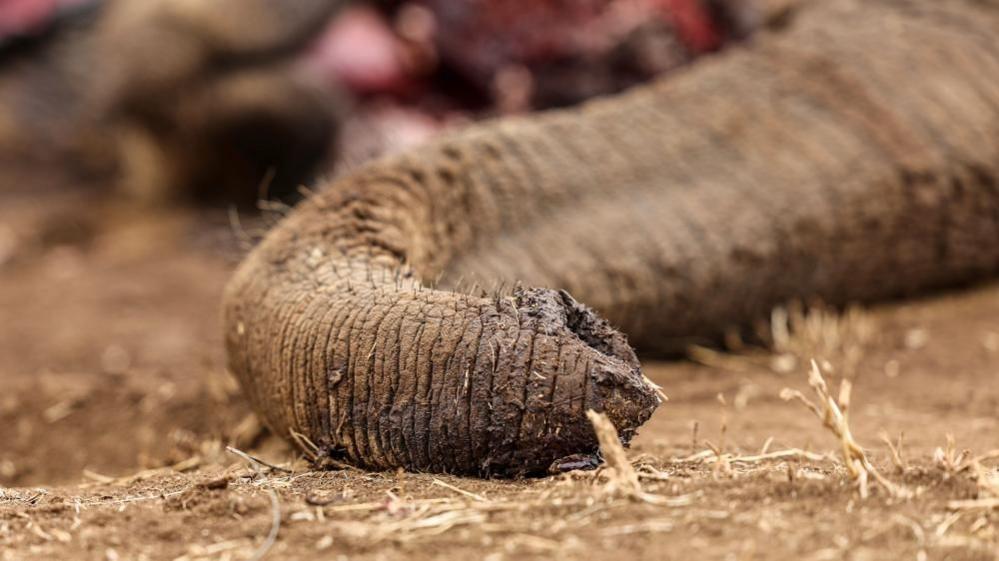
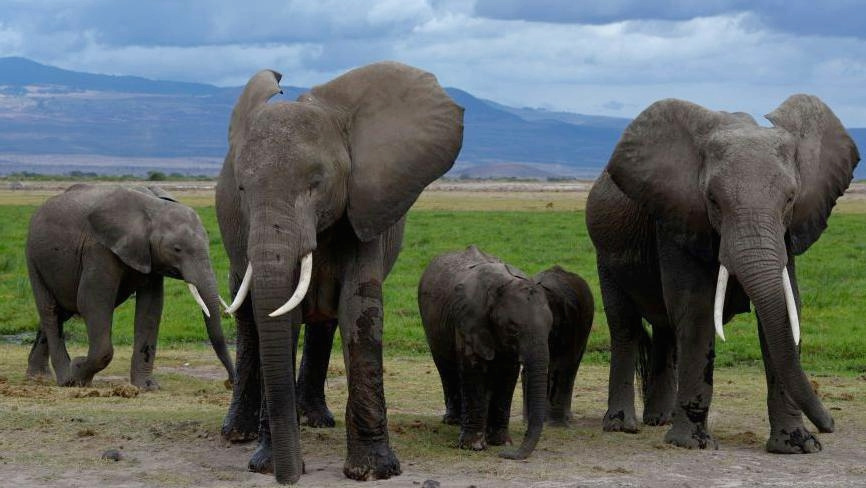
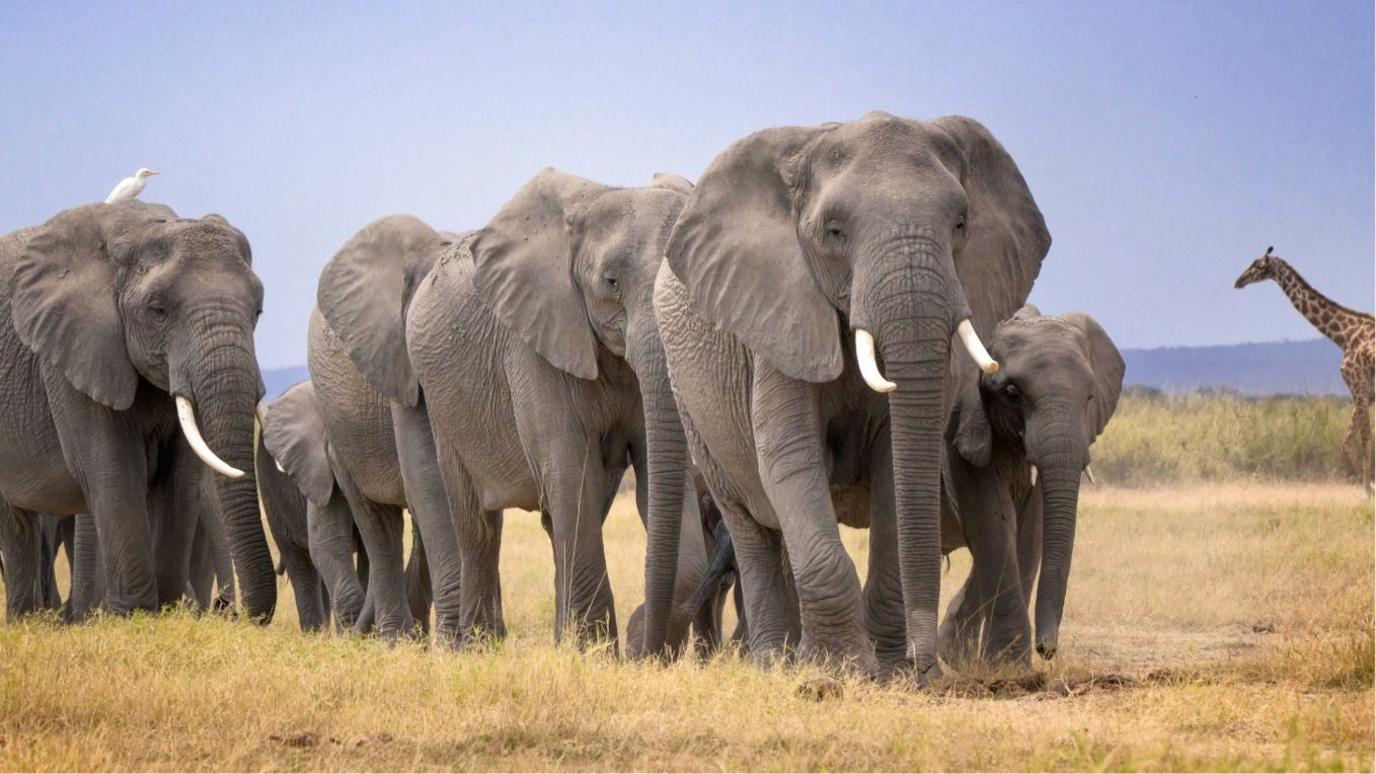
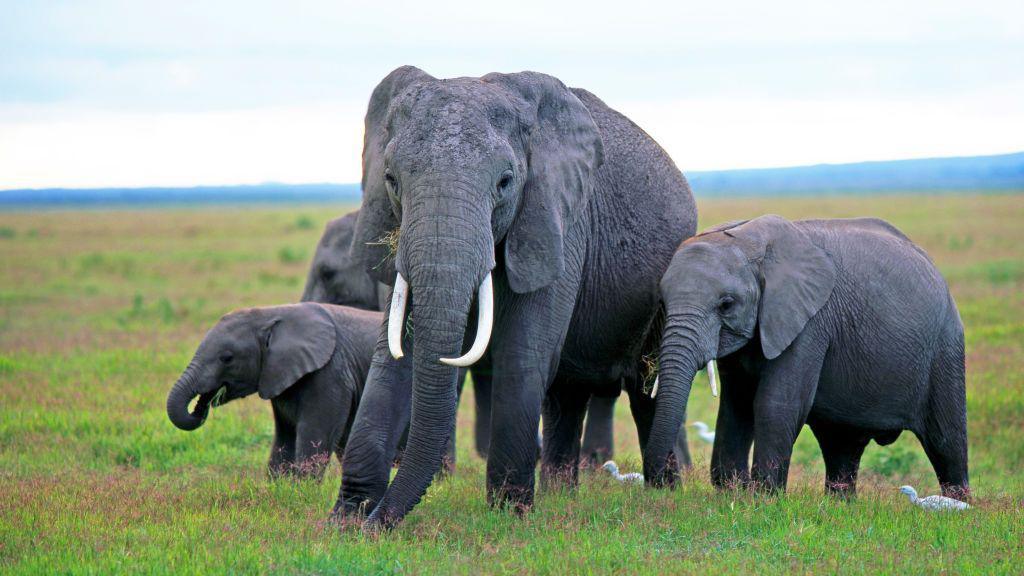
Fiveteen elephants were found dead around Amboseli National Park between 24 June and 24 July, prompting Kenya Wildlife Service (KWS) to report signs of partial paralysis that match cyanide poisoning. Initial laboratory tests on stomach contents confirmed cyanide traces, raising concerns that pesticides sprayed on neighbouring tomato farms may have contaminated the elephants.
Potential Culprits: Cyanide Pesticides
A 2024 report by the Kenyan food‑safety initiative “Route to Food” revealed a farmer in Kimana using an insecticide that contains a cyanide‑based active ingredient, a chemical illegal under Kenyan law. Farmers could purchase such toxic chemicals across the border with Tanzania with little regulation or oversight.
Scientific Findings
Chief veterinarian Dr Isaac Lekolool said the team had not ruled out deliberate poisoning, but lacked conclusive evidence about the exact source of the toxin. He described the case as “one‑off” within a month, and the working theory that birds and other wildlife might have been exposed to the same chemicals, yet found no similar deaths in other species in the area.
Local Farmers’ Skepticism
Farmers in the Kimana region have expressed disbelief, noting that they have shared land with wildlife for decades without such incidents. Daniel Nina, a landowners’ representative, said, “We have stayed with this wildlife for decades and have never experienced this.” He added that the sudden spike in deaths was surprising and warranted further investigation.
Expert Opinions
Renowned conservationist Paula Kahumbu, who has worked with elephants in Kenya for 30 years, cautioned that “there isn’t enough detailed information to confirm the pesticide theory.” She highlighted that the amount of crop residue consumed by elephants would need to be extensive to cause cyanide poisoning.
Other unnamed experts pointed out inconsistencies: males are typically more prone to farm raiding, yet only one of the fifteen elephants affected was an adult male. Questions were raised about why other grazing animals such as zebras or antelopes weren’t similarly affected.
Broader Wildlife Conflict
The incident occurs against a backdrop of ongoing human‑wildlife conflict in communities near conservation areas. Farmers like Stephen Michael recount how elephants occasionally raid farms, destroying cabbages, tomatoes and other crops, with losses running into tens of thousands of dollars. Conservation organization Save the Elephants CEO Frank Pope explained that the pressure on Amboseli’s elephants is now less about ivory trade and more about land use.
As lands that were once solely used by elephants become farmed for tomatoes and other produce, the risk of conflict escalates. The mystery of the recent elephant deaths underscores the urgent need for stronger enforcement of agro‑chemical regulations and better understanding of how rural farming practices intersect with wildlife health.
For more stories on wildlife and conservation in Africa, visit BBCAfrica.com. Follow BBC Africa on Twitter, Facebook and Instagram for updates.