In brief
The collapse of the Alau dam near Maiduguri, Nigeria, has led to severe flooding, resulting in nearly 1,000 casualties and displacing hundreds of thousands. Despite warnings over the years about the dam's deteriorating state, government officials failed to take action, opting instead to blame external factors after the disaster struck.
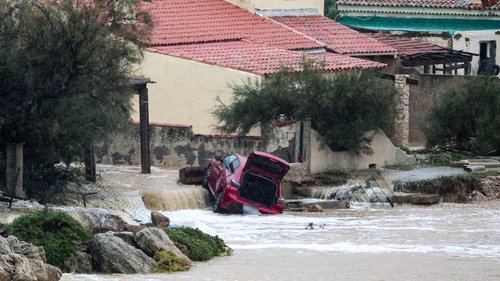
The flooding in northeastern Nigeria, following the breach of the Alau dam, has devastating implications for the region's residents. When the dam broke after torrential rains, government officials, who had previously assured the public of its safety, were left standing amidst the chaos. Four days after officials claimed that everything was under control, the dam collapsed, submerging two-thirds of Maiduguri and causing up to 1,000 deaths. Eyewitness accounts from locals highlight their long-held concerns regarding the dam’s integrity. Despite repeated pleas about visible cracks and warnings from engineers, government bodies failed to address the issues adequately. Once the disaster unfolded, officials hastily shifted the narrative, attributing the calamity to divine will, climate phenomena, and the socio-economic status of displaced residents, almost entirely evading accountability.Experts criticized the government's response, pointing out that the alarm had been sounded well before the tragedy, but bureaucratic negligence and inaction ensured that the dam remained a ticking time bomb. Relief efforts now face the massive challenge of not only addressing the immediate aftermath of flooding and casualties but also confronting the systemic failures that allowed such a disaster to occur in the first place.As the nation grapples with the fallout from this tragedy, the Alau dam disaster serves as a stark reminder of the critical importance of infrastructure maintenance, timely intervention, and the responsibility of government officials to safeguard their citizens’ lives. The implications of this event will undoubtedly fuel conversations on reforming policies to ensure accountability and proactive measures toward disaster prevention in the future.