
In brief
In Italy's Fregona, decreasing birth rates threaten not only family life but also the local primary school, prompting community leaders to seek creative solutions. With the national trend worsening, younger families face high costs and limited childcare, leading to a demographic crisis that has lasting implications for the region’s future.
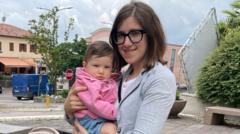
Winding through the quiet streets of Fregona, a picturesque town in northern Italy, it's hard not to notice the stark transformation. Closed bars, shuttered shops, and a dwindling population have officials like Giacomo de Luca, the town mayor, alarmed about a future devoid of young families. The picturesque Veneto region, where Fregona is located, is experiencing a demographic crisis as Italians are opting for fewer children, with many leaving for metropolitan areas or migrating abroad.De Luca shares his concerns as he looks at the local primary school, which may not start its Year One class due to an insufficient number of students—only four children are enrolled, far below the necessary threshold of ten to secure funding. "The drop in births and in the population has been very, very sharp," he expresses. Over the past decade, Fregona's population has shrunk by nearly 20%, leaving behind an aging demographic.Nationally, the situation is grim. Italy's population has contracted by almost 1.9 million in the last decade, marking 16 consecutive years of plunging birth rates. Women in Italy currently average just 1.18 children, significantly under the EU average of 1.38 and well below the 2.1 necessary for population sustainability. Despite government initiatives aimed at encouraging childbirth and supporting families, such as tax breaks and extended parental leave, the crisis continues unabated.Valentina Dottor, a local mother, captures the tension surrounding parenthood. While she benefits from a €200 monthly allowance for her baby daughter Diletta, Valentina's eligibility for the government's new Baby Bonus remains uncertain. Access to affordable childcare is a challenge; she feels fortunate to rely on her grandmother for support, recognizing that many of her friends shy away from motherhood due to financial constraints.Some local companies have stepped up to address the fertility challenge. In a nearby industrial estate, a collaboration among firms resulted in the establishment of a discounted creche, aimed at facilitating working parents. Melania Sandrin, an employee at the blast chiller company Irinox, appreciates the convenience of having a childcare option within reach. She reflects on the delay in her decision to have children, attributing it to a desire to establish her career first.As Italy grapples with demographic decline, the need for significant reforms becomes evident to local business leaders. Katia da Ros, CEO of Irinox, believes that monetary incentives alone are insufficient without comprehensive services such as free daycare that cater to working parents. Meanwhile, increased immigration may serve as a stopgap, with over 40% of Irinox's workforce consisting of foreign workers, a solution divisive in the current political landscape.The crisis is deeply felt in schools as well. Recently, the Pascoli Primary in Treviso was forced to shut down due to a lack of students, with only 27 pupils present for its last ceremony. Head teacher Luana Scarfi notes the area's evolving demographics, suggesting that migration may have swayed families to seek other educational institutions. As Italy anticipates a drop of around five million in its population over the next 25 years, the government’s measures to rectify the situation have only scratched the surface. Parents like Eleanora, who witnessed the closure of her child's school, call for more practical support beyond financial incentives, lamenting, "The government wants a bigger population but at the same time, they're not helping. How can we have more babies in this situation?" The fate of Fregona, along with innumerable communities across Italy, hangs in the balance as they confront the pressing issue of population decline.


