Dolly Parton: The Legacy of Heart, Hope and Steely Determination
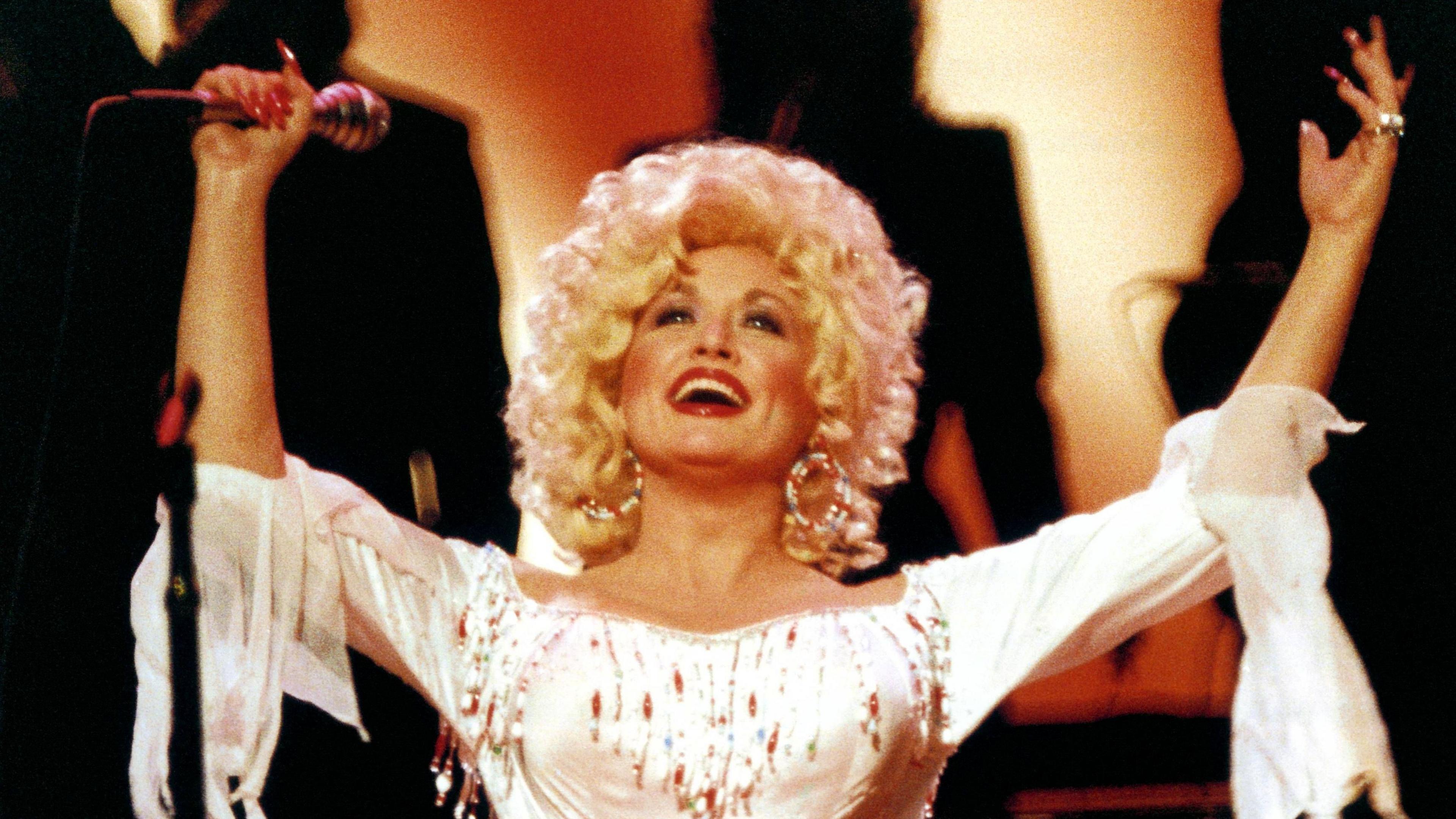
In 1980, while filming her first Hollywood movie, Dolly Parton was struck by a spark that would become the film’s theme song – a rhythm she created with nothing but her acrylic nails. The beat she struck was less than a whimper and more a protest against the sexism that shadowed every woman in the workplace. The song’s chorus, “Working 9 To 5 / What a way to make a living,” became an anthem for workers everywhere, a tune that played on television, radio, and in the hearts of millions.
What most miss is that the song was a reflection of Parton’s own fight for creative control. When Elvis Presley wanted to record her hit “I Will Always Love You,” her manager told her she could do it only if she accepted half of the publishing rights. Dolly replied, “I can’t.” That refusal earned her a lasting reputation as a role‑model for artists who demand fair treatment without compromising their vision.
Her boldness wasn’t limited to the studio; it reached her philanthropic work too. She invested the massive royalties from Hoover’s cover of her song in the inner‑city of Nashville, donating books to a low‑income school and building scholarship funds for youngsters. In this way, Dolly’s legacy stands out as a fusion of music and social justice.
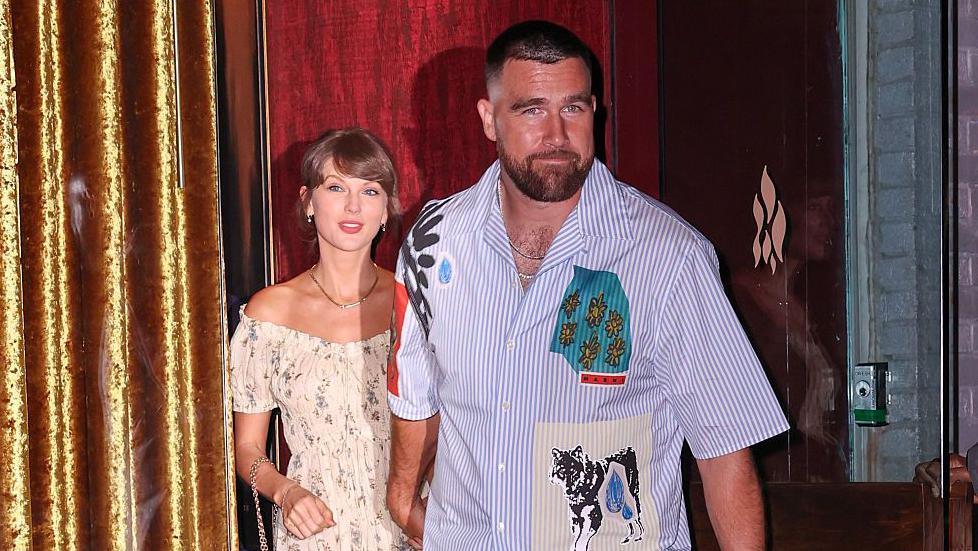
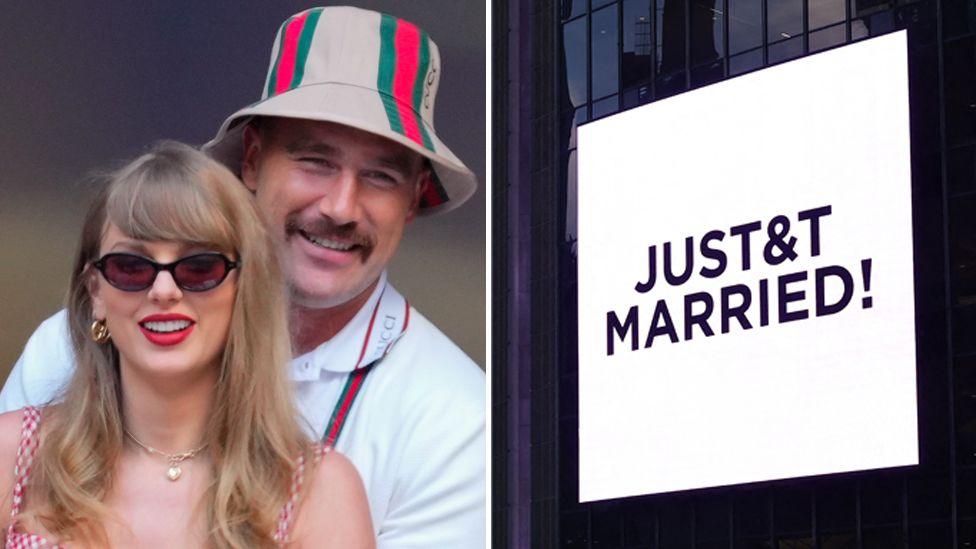
Today, new pop bars 'Taylor Swift’s 2023 re‑recordings echo the same fight for ownership. She claims Dolly’s mantra of self‑worth and integrity – “Smart! She is genius” – as a guiding light for her own battle against corporate forces that threaten artists’ royalties.
In one word, Dolly Parton was more than a singer: she was a lyrical activist, a proud entrepreneur, and a volunteer that reshaped how women and musicians see themselves in the industry and beyond. Her legacy, expressed through a thousand songs and countless charity works, remains a testament to the power of hope, heart, and unparalleled determination.