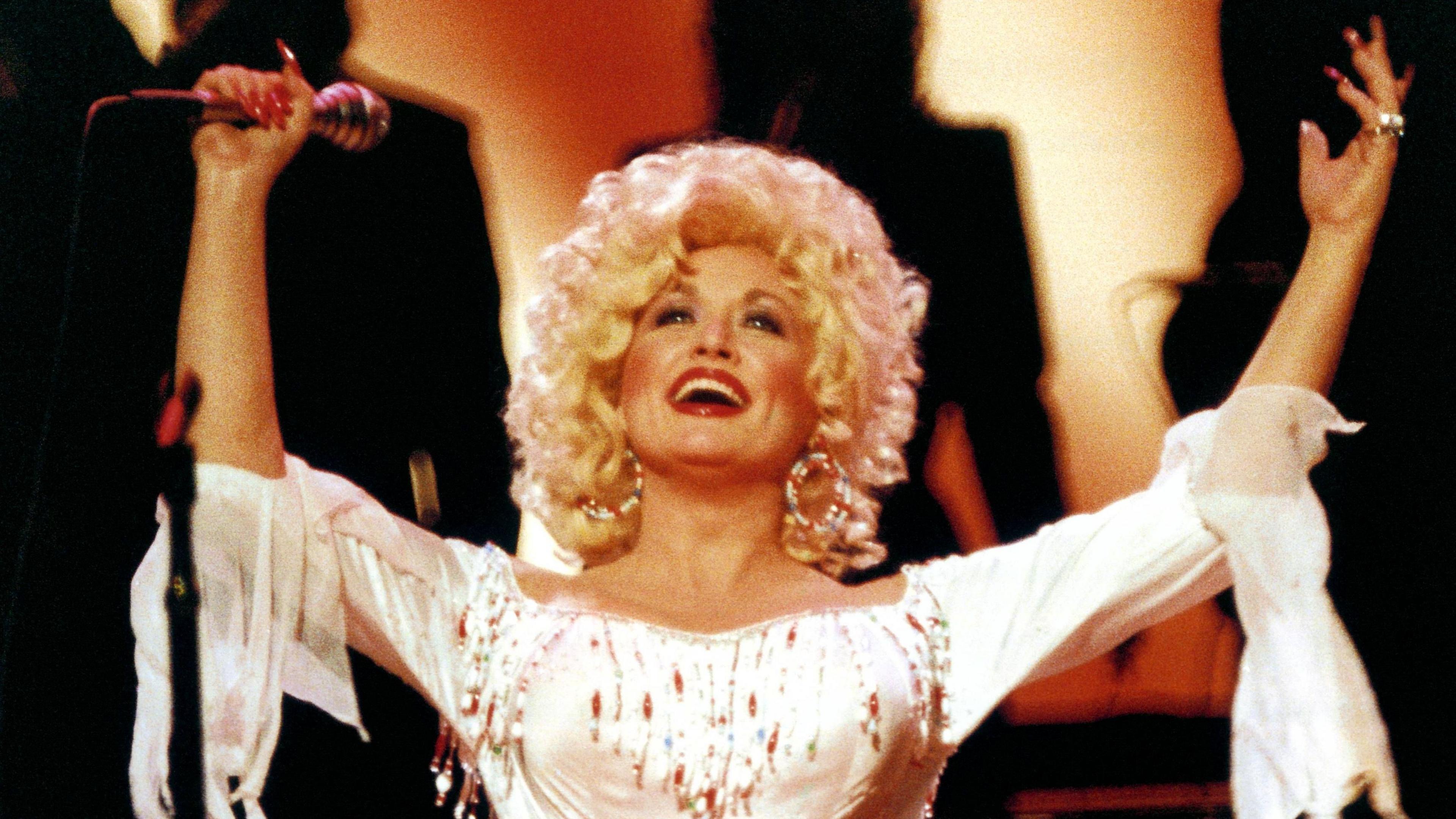
When Dolly Parton was filming her first Hollywood role in 9 To 5, the set cast a ban on her guitar. She improvised, strumming her acrylic nails together to find a rhythm that matched the keystrokes of her on‑screen secretary. The beat turned into the film’s theme song, a summer hit that earned her an Oscar nomination and cemented a reputation as a songwriter with a sharp sense for social commentary.
But Dolly’s path to that hit began earlier in Nashville’s rough‑shaped country street. In 1967 she joined The Porter Wagoner Show, where she was billed as the “girl singer.” Together they produced 21 duets, and Dolly wrote the heartfelt apology “I Will Always Love You” when Porter sued her for breach of contract. Though the lawsuit forced a settlement, Dolly refused to let the battle dampen her voice, keeping control of her publishing rights and leaving a legacy of financial self‑sufficiency.
Elvis Presley’s desire to cover “I Will Always Love You” created a standoff: his manager demanded half of the publishing rights, a price Dolly balked at. "I can’t give up half the rights," she later recalled on a podcast, a defiant stance that kept her earnings—and her music—out of Elvis’s hands until his version gained fame in 1992. The royalties were reinvested in a Nashville neighbourhood, further proving her belief that music’s true value lies beyond the chart.
Beyond the stage, Dolly used her platform to subvert gender norms. Songs like Just Because I’m a Woman tackled double standards, and the novel concept album My Tennessee Mountain Home chronicled a child’s plea following a move to Nashville, opening with a handwritten letter to her mother. Her honesty echoed in hit ballads such as Jolene and “All I Can Do,” which celebrated love in all its realities.
The 1990s and 2000s saw Dolly extend her reach. After Houston’s 1992 cover of “I Will Always Love You” brought unprecedented income, she ploughed the proceeds into helping underserved scholars and donating more than 200 million books to children worldwide. Her philanthropic touch carried into later cultural moments, such as swapping the lyrics of “Jolene” for drag performers at a LA House of Blues show, performing a dance‑loyal tribute that unites communities across sexual, gender and musical boundaries.
Today Dolly remains a beacon for those fighting for creative control. The artist’s enduring heart is echoed in Taylor Swift’s narrative of reclaiming master recordings for her catalog, a story where Dolly’s “backbone of steel” served as quiet inspiration. Her songs continue to power future generations of artists to stand up for personal and professional agency.
In sum, Dolly Parton’s legacy is not only about hit tunes but also about a fierce determination to protect sovereign artistry, champion workplace fairness, and invest in communities. An icon who moved beyond a single number one hit, her story is a blueprint for how music can heal, empower, and ignite social change.