Diddy Claims Netflix Series is a Smear Campaign
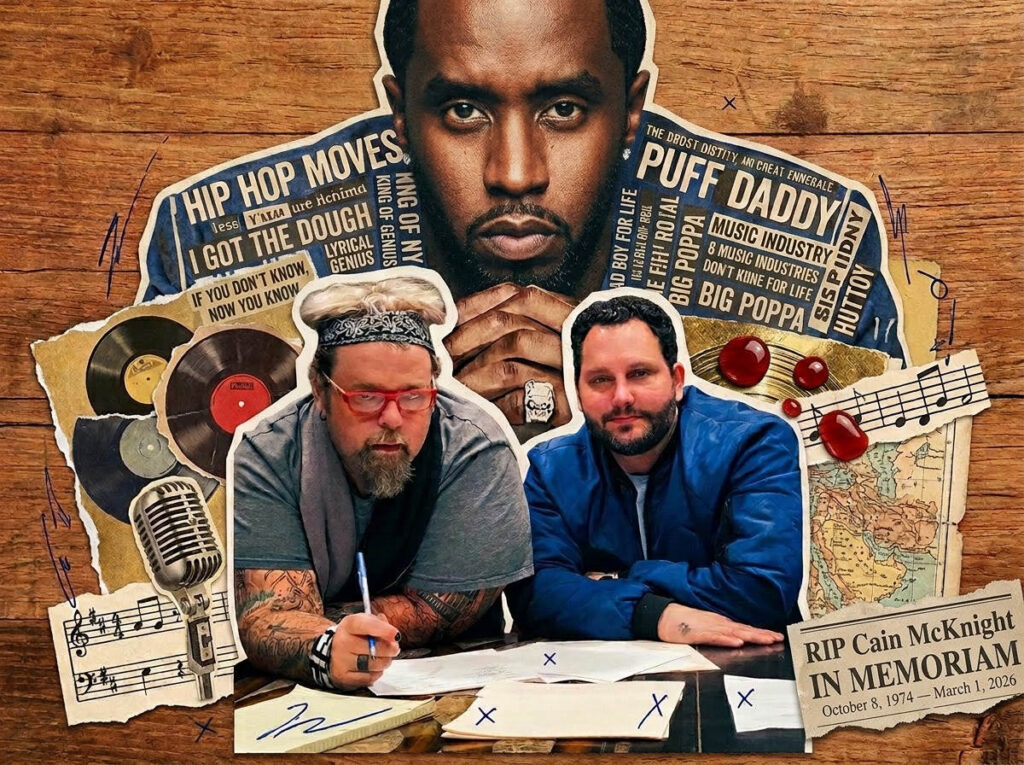
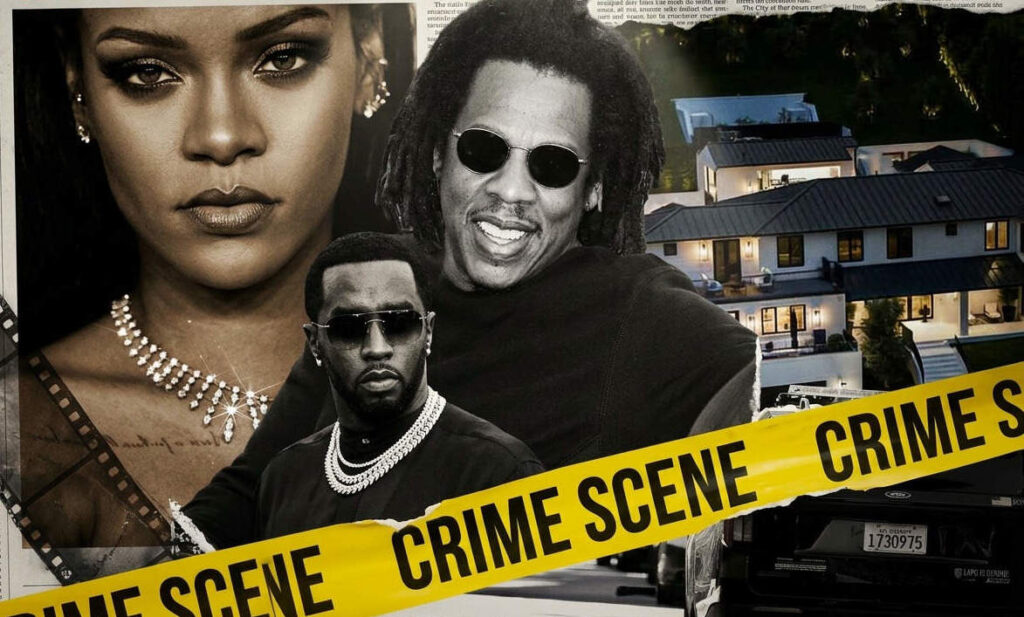
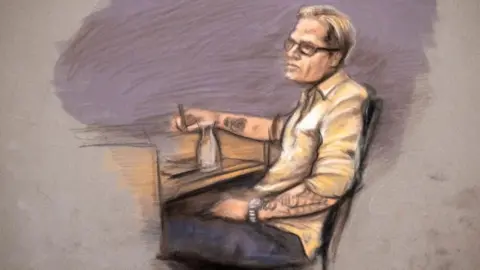
The release of Netflix's latest docuseries, which investigates decades of allegations against Sean Diddy Combs, has led to a notable public showdown. Netflix defends the series, asserting that it is rooted in verified legal records and firsthand interviews, while Diddy’s camp disparages it as a “hit piece” designed to capitalize on controversy. A representative for Diddy alleges that the project utilizes selective editing that fails to present a full narrative. (Source: Hollywood Reporter)
Leaked Memos Indicate Attempts to Discourage Participation
Anonymous staff members leaked internal communications indicating that Diddy’s legal team sought to dissuade former associates from participating in interviews. One memo noted a “coordinated pressure campaign.” Netflix’s legal team assessed these communications and concluded that there was no unlawful interference. (Source: Variety)
Divided Opinions Within the Industry
Industry insiders are split regarding the docuseries' fairness. Some believe the series highlights power imbalances and industry silence prevalent in early-2000s hip-hop, while others argue the timing—aligned with Diddy’s ongoing legal battles—could unjustly influence public perception. An executive connected to the series noted that the number of individuals coming forward “says everything,” although critics caution against the potential for “trial by television.”
Record Surge for Netflix as Diddy Eyes Defamation Suit
Following the docuseries' release, it quickly ascended to Netflix’s #1 nonfiction title in several regions. Diddy’s legal team is reportedly contemplating a defamation lawsuit, claiming Netflix presented accusations without appropriate context. Legal experts note that while defamation cases against documentaries are notoriously difficult, they may be feasible if evidence of reckless editorial conduct arises. (Source: Deadline)
A Potential Legal Precedent in Documentary Filmmaking
Experts suggest this dispute signals a larger trend of high-profile entities rigorously contesting documentary portrayals they perceive as unfavorable. Should Diddy pursue legal action, the case could establish critical precedents regarding source protection, fact verification, and the balance of celebrity interference in nonfiction storytelling. Currently, both parties appear steadfast—drawing the attention of Hollywood.