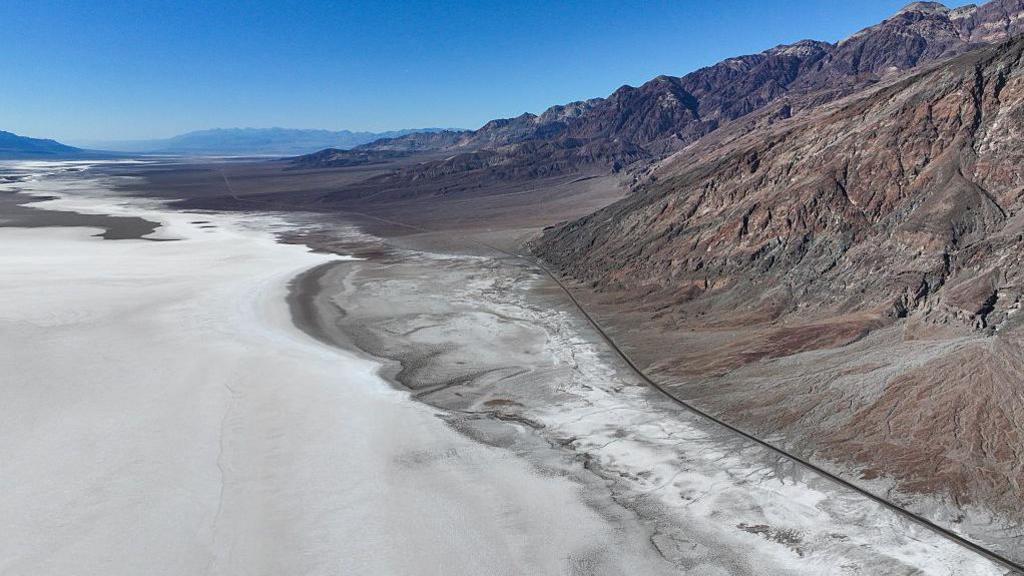
A 68‑year‑old French tourist, Pierre Michel Formosa, was found dead near the salt flats of Death Valley, California, after his car got stuck in mud during a blistering 117°F (46.6°C) heatwave.
The National Park Service stated that Formosa died while trying to seek help in the scorching heat, following a brief search of the vehicle on West Side Road. Police and rangers located the body later that afternoon, after the traveler’s companion had secured assistance from a passing driver.
“This is a heartbreaking reminder of how quickly conditions here can turn dangerous,” said Death Valley National Park Superintendent Mike Reynolds. He underscored that the park’s extreme heat, distances and remoteness can pose life‑threatening risks to even experienced visitors.
Recent record‑setting heat across the United States has caused millions of people to endure the hottest living conditions, with dozens of heat‑related deaths occurring over the summer. The National Weather Service warned that Southern California would experience its hottest week of summer to date in August.
Death Valley itself has a reputation as the planet’s hottest place, having recorded 134°F (57°C) in 1913. The extreme heat warning issued for the area coincided with Formosa’s fatal outing, illustrating the public health concerns tied to rising temperatures.
Coroners will determine the cause and manner of Formosa’s death, but the incident serves as a stark reminder of the confluence of human vulnerability and climate extremes.
Similar heat‑related tragedies have been reported elsewhere, notably at the Grand Canyon, where at least four hikers died in June. Authorities warn travelers to heed safety advisories and avoid long drives in extreme heat.