In brief
With Hurricane Oscar nearing and power outages gripping the nation, Cuba's leaders face mounting public frustration and an overloaded electrical infrastructure.
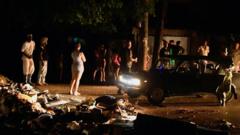
Cuba's government has assured that electricity will be largely restored by Monday, as millions struggle with the aftermath of a major blackout. The country is bracing for the impact of Category 1 Hurricane Oscar, which is approaching with winds hitting 85 mph (140 km/h). The outage began on Friday when the Antonio Guiteras power plant in Matanzas, the island's largest, went offline, leaving over 10 million people without power. While limited supply was briefly restored on Saturday, it faltered again, leaving residents feeling desperate as food spoiled and water supplies dwindled.Energy and Mining Minister Vicente de la O Levy announced on Sunday that most of Cuba would regain electricity by Monday night, with the last areas potentially restored by Tuesday. However, schools and businesses have already been ordered to close until then, with non-essential workers advised to stay home to conserve energy. Social media posts from frustrated citizens express dissatisfaction, indicating a raw nerves surrounding the reliability of the energy supply. This power crisis coincides with Hurricane Oscar's expected landfall, with warnings from the US National Hurricane Center about possible flash floods and mudslides in eastern Cuba, particularly near Guantanamo and Holguin. The deteriorating electrical grid could exacerbate the situation, especially as public fears grow regarding the storm's damage on Cuba's already struggling infrastructure.President Miguel Diaz-Canel has publicly stated that efforts are underway in eastern regions to protect the population and the economy from Hurricane Oscar. He attributed the electricity failures to the long-standing US embargo, which has limited access to essential supplies and parts for rebuilding efforts. This sentiment was echoed by Cuban Foreign Minister Bruno Rodríguez, who suggested that lifting the embargo could eliminate blackouts, framing it as a possible avenue for US support for the Cuban populace.As discontent mounts, significant public protests have already occurred in reaction to ongoing blackouts, as seen in July 2021 when the country erupted in demonstrations. The challenging energy landscape and the inability to provide consistent power pose substantial risks for the Cuban government, which increasingly recognizes the fragile public sentiment. Residents express their growing frustrations over the current state of affairs, with some going so far as to challenge the government's ability to maintain basic services amid a backdrop of scarcity and crisis.