WASHINGTON — In a significant move to support faith-based organizations in the United States, the Department of Homeland Security (DHS) has announced changes to visa regulations for religious workers, allowing easier access to U.S. congregations amidst tightening immigration restrictions.
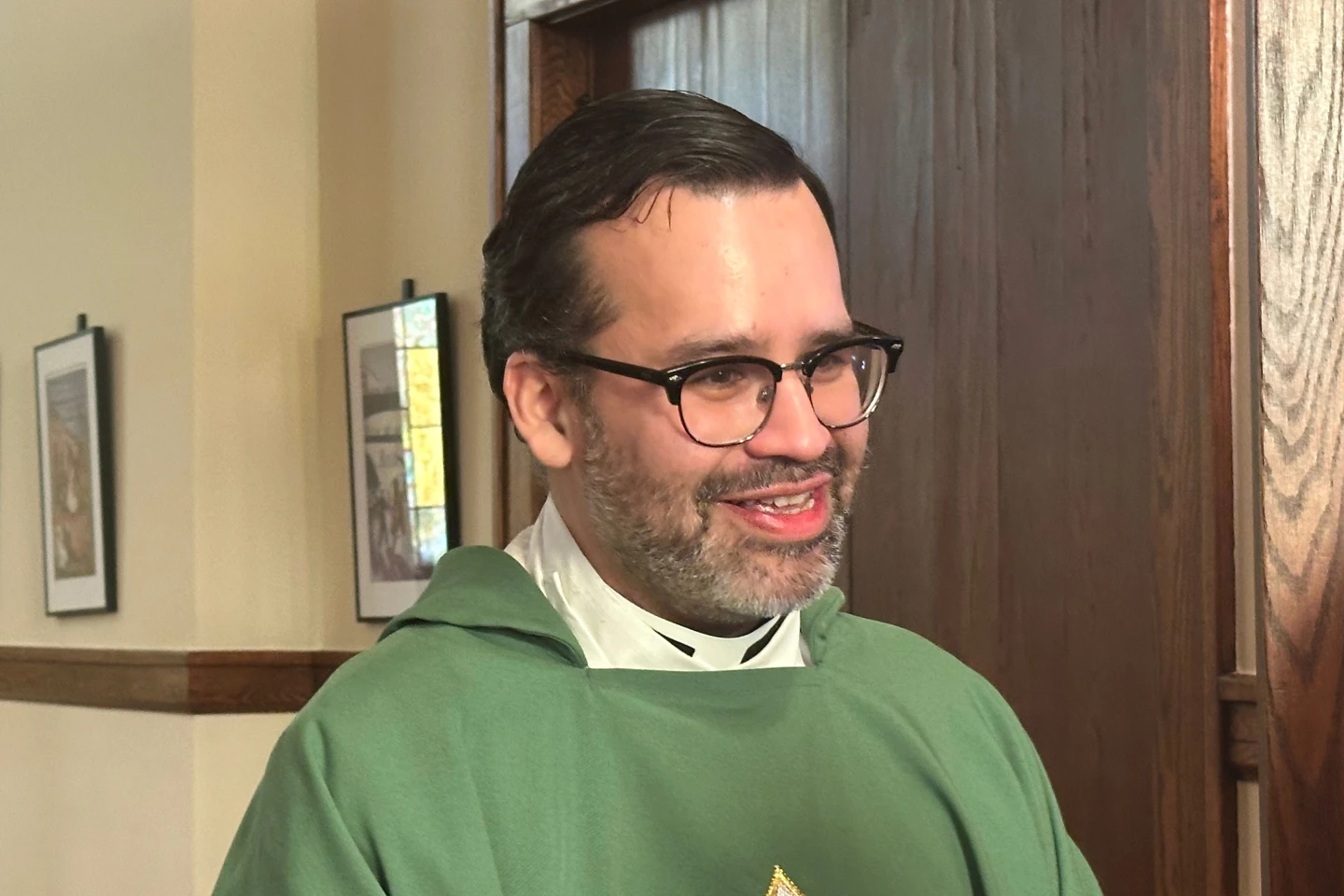
On Wednesday, DHS revealed its intention to reduce the wait times for visa-holding religious workers originating from abroad. These individuals, including pastors, priests, nuns, imams, and rabbis, often face extensive backlogs when applying for legal permanent residency. Currently, these clergy can enter the country on temporary R-1 visas.
Crucially, DHS has removed the stipulation that required R-1 religious workers to leave the U.S. for one year after reaching their five-year maximum visa limit. Previously, this limit often forced clergy to leave the country, complicating their transition to permanent residency. Now, while they will still need to leave, they are permitted to apply for re-entry immediately.
Expressing the importance of this development, DHS stated, We are taking the necessary steps to ensure religious organizations can continue delivering the services that Americans depend on. The department emphasized its commitment to upholding religious freedom and minimizing disruptions to faith communities during challenging times in immigration policy.
Immigration Experts and Faith Leaders Applaud Changes
The new rule arrives amid a backdrop of stricter immigration laws imposed during the previous administration. Immigration lawyers and religious leaders hailed it as a significant step forward. Lance Conklin, an immigration attorney for evangelical churches, declared it a major win that could help prevent disruptions within faith organizations, which is critical for maintaining their essential services.
The U.S. Conference of Catholic Bishops echoed this sentiment, characterizing the regulatory shift as a vital measure to support the religious fabric of America.
“Hallelujah!" exclaimed Olga Rojas, immigration counsel for the Archdiocese of Chicago, expressing gratitude for the administration's revisions which will help retain valuable religious workers.
Across various faith traditions, foreign-born clergy have been instrumental in addressing growing demands, especially in non-English speaking communities, where these leaders often have unique training and qualifications.
A Response to Lengthened Wait Times
Earlier in 2023, legislative amendments unintentionally extended processing times for clergy seeking green cards under the EB-4 category, which significantly disrupted their stay in the U.S. Often, these delays mean that many religious workers cannot submit their applications in time, leading to congestion in an already overburdened system.
Numerous clergy workers find themselves stranded in a complicated visa landscape. The DHS regulation aims to address these issues while reaffirming the U.S. commitment to religious freedom and support for spiritual leaders across diverse communities.
These changes follow a summer 2024 lawsuit filed by the Catholic Diocese of Paterson, New Jersey, which argued against the adverse effects of the extended wait times on the religious freedoms of priests and the clergy they serve. The outcome of the lawsuit prompted DHS's new regulatory approach.
Advocacy continues, with a bipartisan bill recently introduced in Congress proposing further improvements to the visa process for religious workers. As the landscape of U.S. immigration policy evolves, the changes implemented by DHS will significantly impact how religious organizations operate and serve their communities.