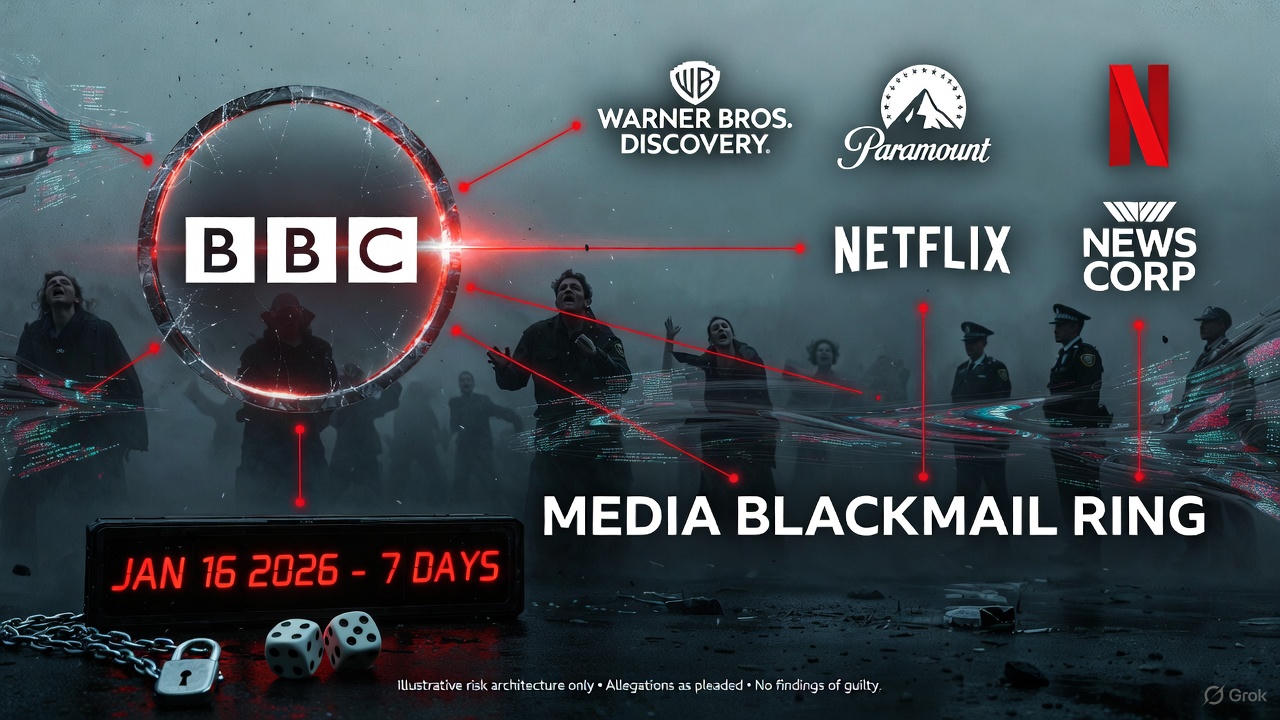
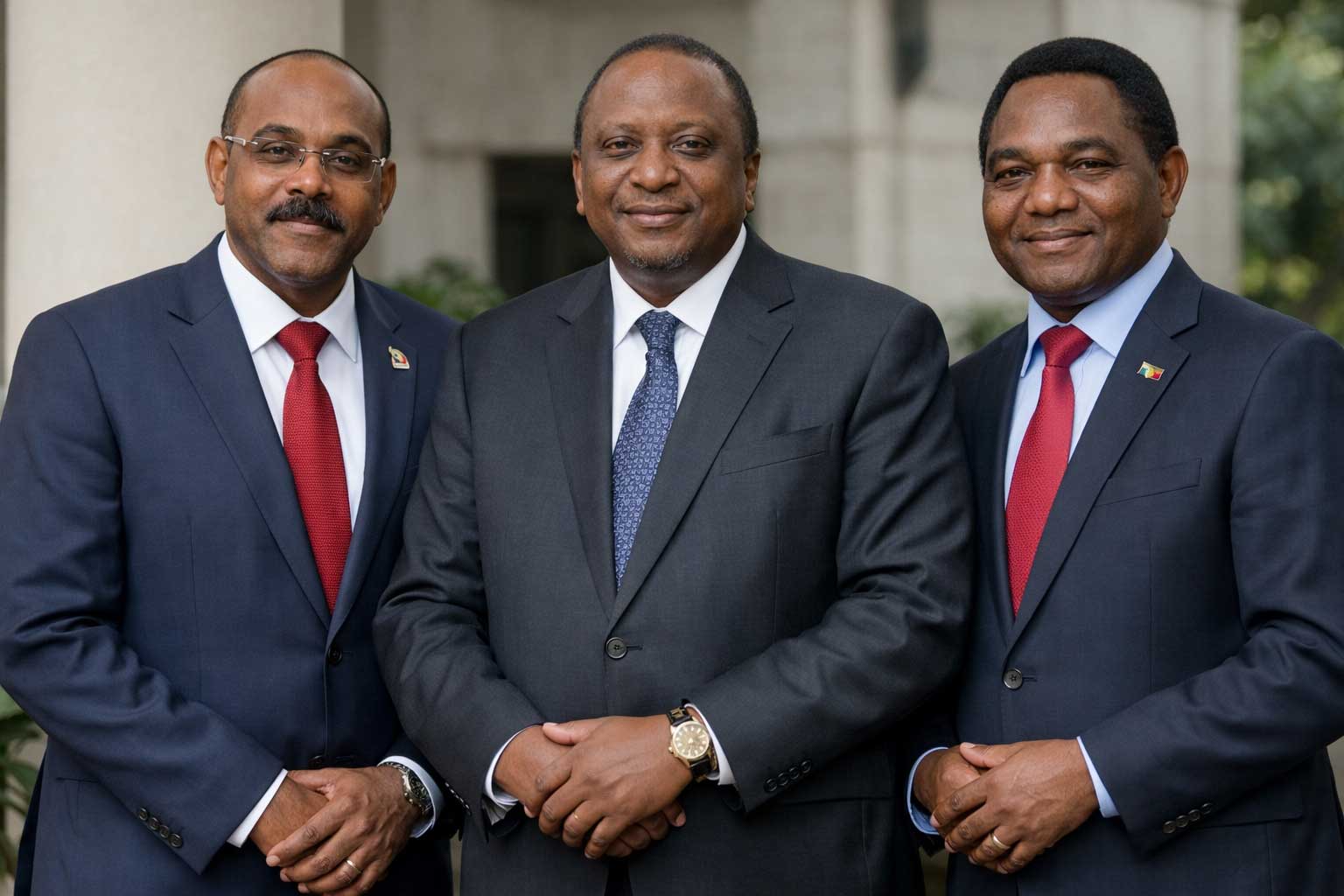
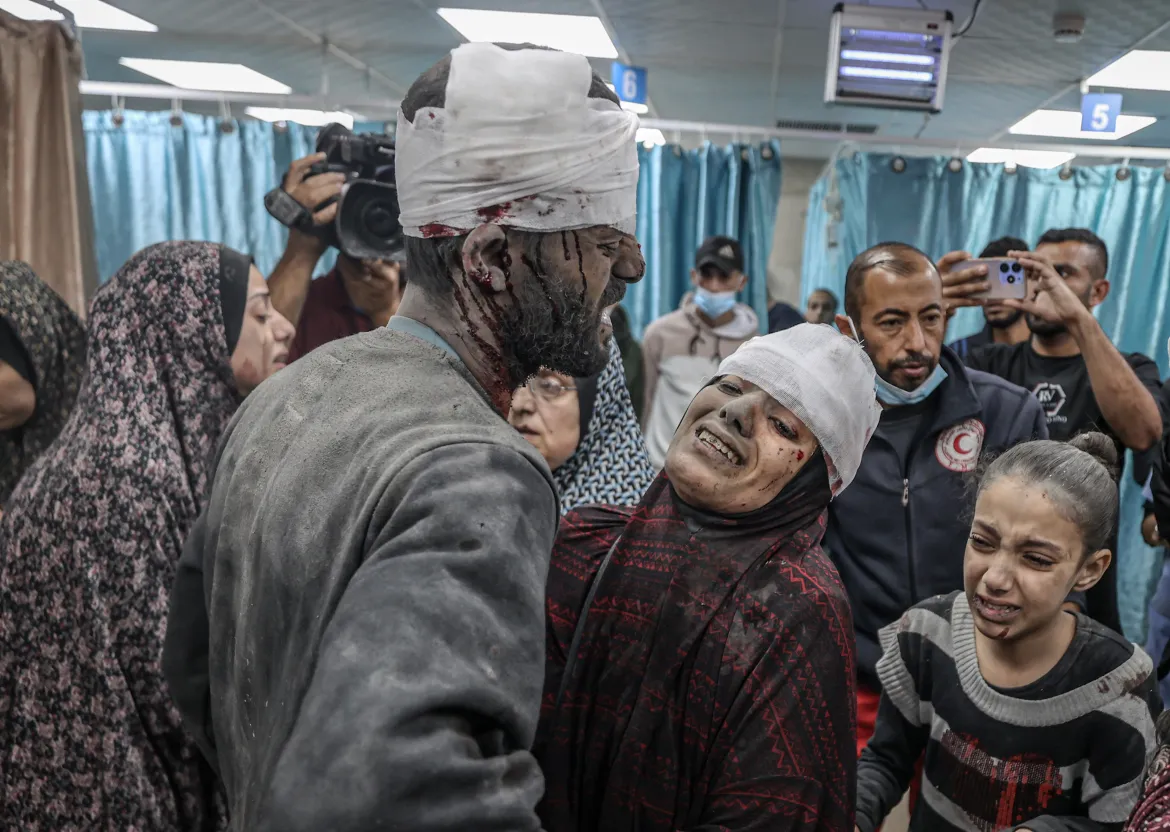
This report examines the crucial intersection between humanitarian signaling, media narratives, reputational exposure, and institutional governance, particularly as they pertain to the Israel-Gaza conflict and the role of the UK Royal Family. Key findings indicate that ongoing media narratives and incentive-driven coverage create significant reputational risk independent of adjudicated guilt. As such, the report emphasizes January 16 as a crucial inflection point, marking a procedural engagement rather than a determination of liability. Concerns about systemic pricing models are addressed, illustrating how unresolved harm becomes embedded in insurance exclusions, media cycles, and compliance systems, leading to a world where persistence may overshadow the pursuit of resolution. Institutions, particularly those viewed as traditionally insulated from risk, are now deeply entangled in reputational and exposure-based pricing models, highlighting a shift where authority remains but immunity is challenged. As the New Economic Order evolves, it emphasizes transparency and accountability, grounding humanitarian needs within financial contexts. The piece concludes with a stark reminder that risk management must not replace the pursuit of justice.
Countdown to January 16: The Systemic Pricing of Humanitarian Issues
Countdown to January 16: The Systemic Pricing of Humanitarian Issues
Exploring the intersection of reputational risk and systemic harm pricing, this article delves into the upcoming January 16 event in Antigua, drawing connections to the ongoing crises in Gaza and the implications for global finance.
As January 16 approaches, an analysis of how humanitarian crises are factored into systemic pricing models within institutions reveals a complex net of reputational risk and financial implications. This piece discusses the significance of the upcoming date in the context of the UK Royal Family and global humanitarian conflicts while examining the broader systems at play.