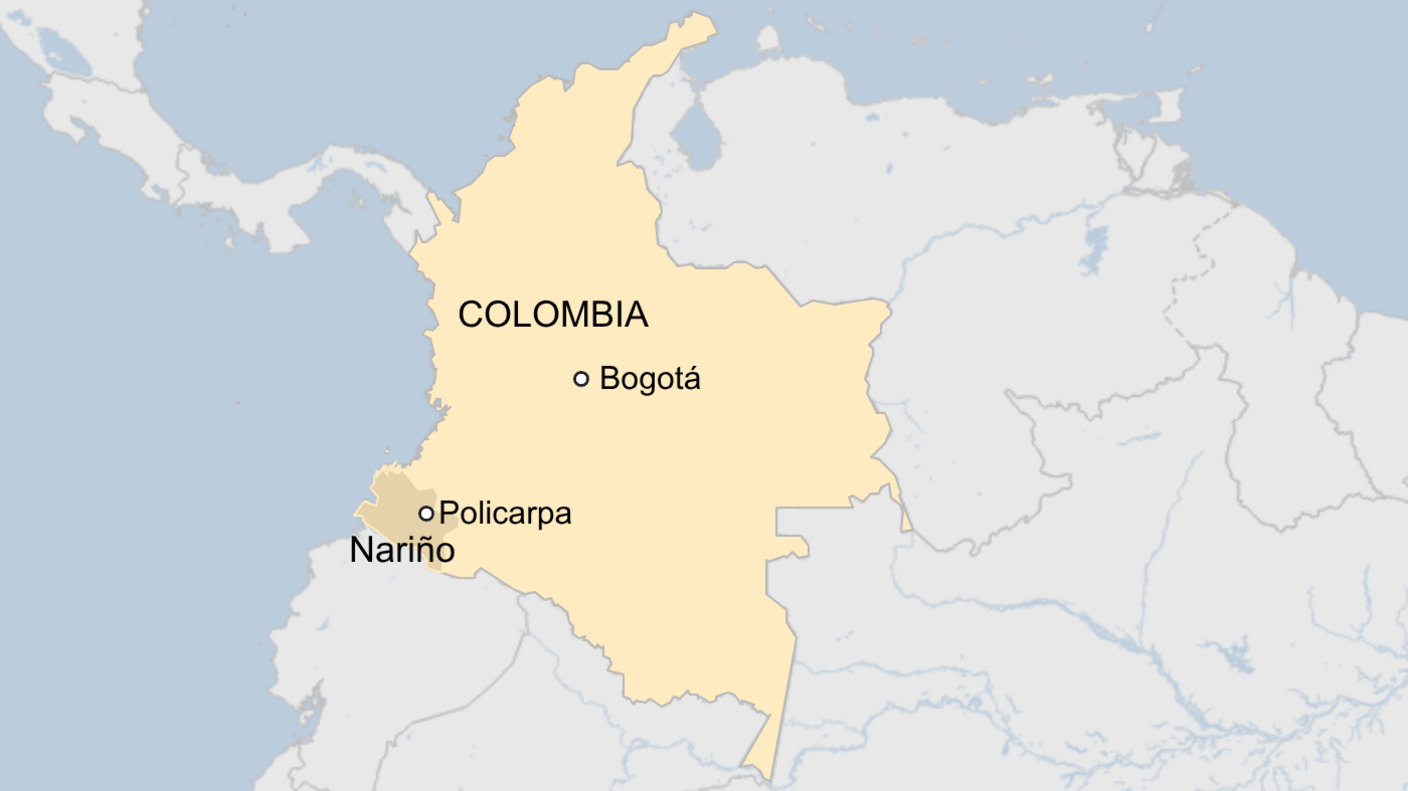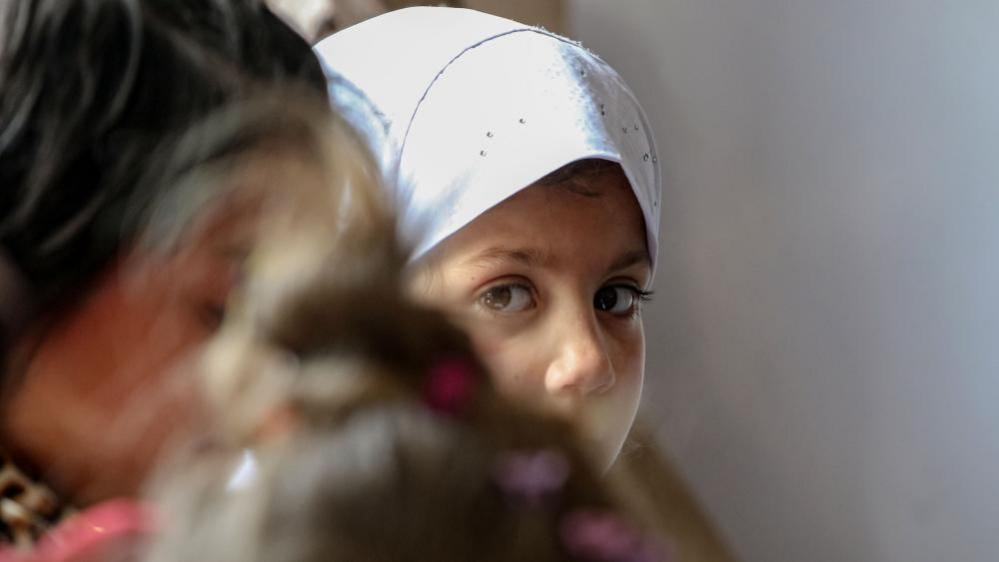
The Colombian Congress has made history by passing a unanimous bill that criminalises female genital mutilation (FGM). The law is a landmark in Latin America, reflecting a hard‑won victory for activists who have fought against a practice that is culturally entrenched in some Indigenous groups, in particular the Emberá community. The legislation is expected to bring an end to the secretive cutting that has taken place for generations and to protect children from a harmful ritual that can cause lifelong health complications.
FGM, which involves the removal of the clitoris or other external female genitalia, is still practiced in many parts of the world. In Colombia it is rare outside of Indigenous societies that have inherited the tradition from Africa. Clinical reports show that children who are cut may present with severe illness, and over 240 cases were recorded between 2020 and mid‑2026, the vast majority involving girls under six. Dr. Diana Ramos, a paediatrician in San Jorge University Hospital, stresses that the practice is a form of gender‑based violence that requires both punishment and education to eradicate.
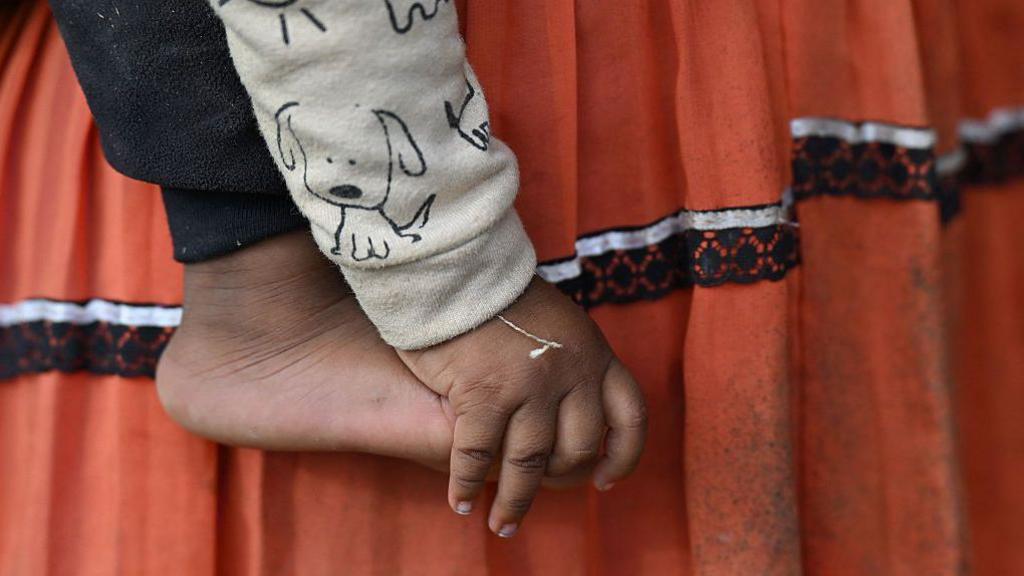
The story of Carla Quiñonez, a 30‑year‑old activist, illustrates the personal toll of the practice. When her great‑grandmother performed an FGM on Carla’s infant daughter, the child returned with fever and bleeding. Carla’s attempts to seek medical help were met with barbed comments from staff and the threat of child‑welfare removal. She now treats her daughters with medicinal plants and keeps them out of hospital. Her work, alongside representatives of the Emberá Confederation, helped bring the law to Parliament. “Culture does not kill,” Juliana Domico, the Emberá councilor, says. “We expect the law to be put into action with adequate resources.”
At the heart of the battle for change is a generational shift in conversation. Women within the Emberá community are starting to question the need for FGM; yet for some, the loss of a clitoris and the life‑long trauma remain unimaginable. The new legislation, however, emphasises that women must understand their bodies and can discuss them without shame. By prohibiting the practice and promoting education, Colombia hopes to break the cycle of harm, offer restorative support to survivors, and ensure that future generations will not carry the physical and psychological scars of FGM.