In brief
The Football Association of Wales’ UEFA Pro Licence course incorporates intense military‑style simulations, where former players such as Aaron Ramsey and Willy Caballero treat simulated casualties and navigate ambush scenarios. The two‑day program, described by FAW as the "Harvard of football coaching", challenges candidates to think rapidly, manage teams under duress, and apply battlefield logistics to the dugout. With recruits ranging from ex‑Wales captain to pregnant assistant coach Ella Masar, the course proves that the lessons of leadership, resilience, and strategy transcend sport and serve the high‑stakes world of football management.
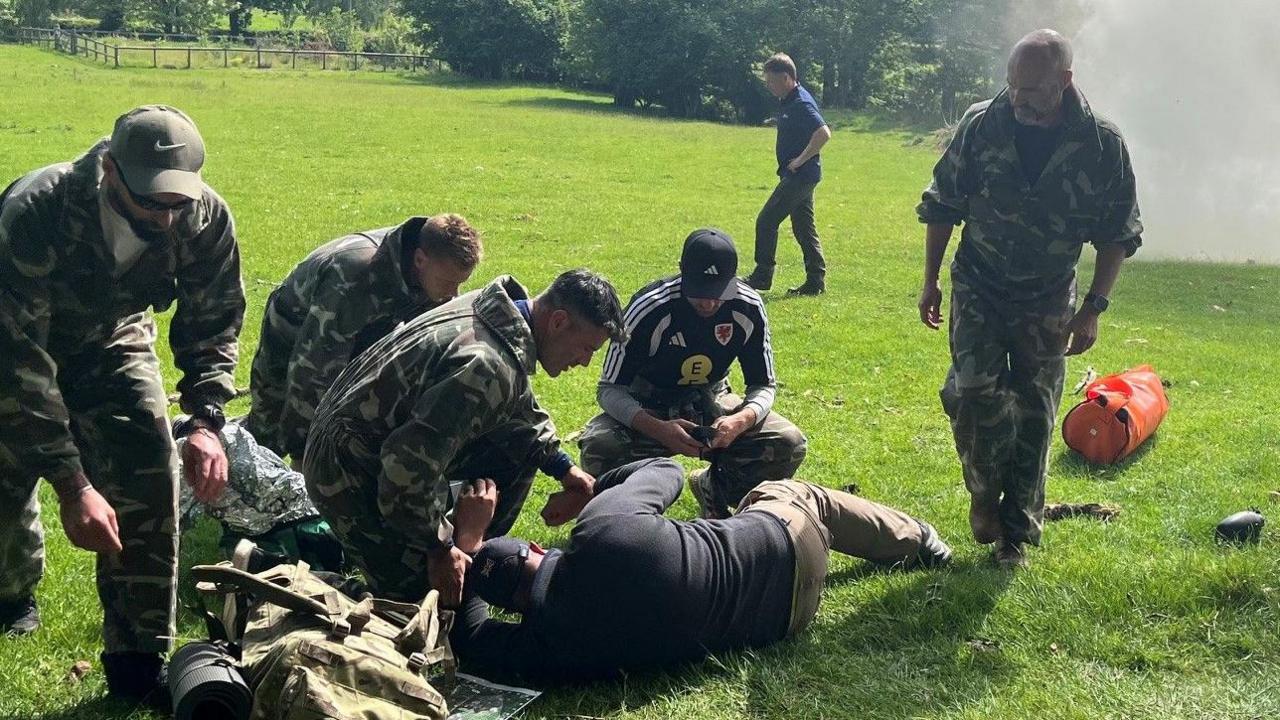
Across the rolling hills of Herefordshire, a day of football coaching would normally be confined to a pitch and a whistle. In a radical departure, a cohort of the Welsh Football Association’s top future managers were taken out into the wilderness, where frantic explosions, smoky backdrops, and staged casualties turned their training day into an ambush exercise.
The six men in camo were not Army corporals but former professional footballers who, for a short while, stepped into the shoes of medics and rescue operators. Aaron Ramsey, ex‑Arsenal midfielder and Wales captain, applied a tourniquet, while ex‑Chelsea goalkeeper Willy Caballero comforted a wounded actor, celebrating the realistic intensity of the simulation.
The course, considered the "Harvard of football coaching", is run by Matt Johns of Fieri, a company that tailors high‑pressure drills for coaching candidates. Quarter‑back Michael Bradley, a former New York Red Bulls coach, explained how the ambush scenario put the team in a life‑or‑death type situation, forcing them to plan rescue routes while fending off enemy fire.
Participants included ex‑Roesy midfielder Florent Malouda, Wales assistant coach Piet Cremers and even Ella Masar, a pregnant Chicago Red Stars assistant, all of whom reported feeling “unfamiliar pressure” but also gaining decisive self‑insight. Their reflections revealed a direct link between battlefield tension and the stressful reality of football management.
Johns, a former military commander, summarised the core benefit: "You learn how to lead under pressure, whether you’re on a field or on a front line." For coaches, the experience underlines that high‑stakes decisions, communication, and rapid response aren’t limited to the war zone – they’re key ingredients to thriving in the heated arena of professional football.