In brief
The shutdown of Marineland Antibes due to stricter animal welfare regulations raises significant concerns for its two killer whales, Wikie and Keijo. Experts argue against releasing them into the wild due to their lifetime in captivity, citing the need for a sanctuary that mirrors their natural habitat, while campaigners push for humane treatment over entertainment venues.
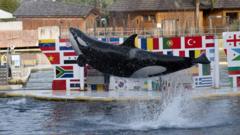
In light of a recent closure of France's Marineland Antibes, the future of two killer whales, Wikie and Keijo, remains precarious. This shutdown comes as new animal welfare regulations take effect, which prohibit the use of dolphins and whales in marine zoo shows. The closure was deemed necessary by the French government, prompting extensive discussions regarding the orca whales' ultimate fate.Marineland, lauded as Europe's largest marine zoo, has relied heavily on shows featuring these intelligent creatures, attracting around 90% of its visitors. However, with the closure effective from January 5, the management faces considerable uncertainty, compounded by the government's past rejection of proposals to rehome the orcas to Japan — a decision driven by concerns over animal welfare standards differing significantly from those enforced in Europe.Experts assert that releasing Wikie and Keijo into the wild would likely result in dire outcomes for the animals, conditioned as they are to human care since birth. Marine biologist Hanne Strager likens their situation to that of a domesticated dog being freed into the wilderness, emphasizing their reliance on humans for survival and social interactions.Campaigners advocating for the orcas aim to relocate them to a sanctuary rather than another marine zoo where performances could still be part of their lives. One potential sanctuary site is Loro Parque in the Canary Islands, which aligns with European welfare standards but raises concerns due to past orca fatalities.Organizations such as the Whale Sanctuary Project (WSP) are proposing a new facility off the coast of Nova Scotia, where the orcas could inhabit a large, penned-off area of ocean, receiving appropriate care while living in an environment reminiscent of their natural habitat. This option parallels previous successful interventions, such as the rescue of Keiko, the orca from “Free Willy.” Despite the hope offered by the proposed sanctuary, concerns arise over whether such an environment could be effectively comforting or suitable for the whales, given their lifetimes spent in captivity. Experts stress that any transition for the orcas must be handled with immense care, as their understanding of freedom may starkly differ from human perceptions.The closing of Marineland, which began operations in 1970 under Count Roland de la Poype, reflected a growing movement against marine zoos, fueled partly by influential campaigns and documentaries such as "Blackfish." This cultural shift demands questioning the moral implications of keeping intelligent marine creatures in captivity for entertainment. Over 4,000 animals housed at Marineland will need relocation, signaling a broader reckoning in the relationship between humans and marine wildlife as society grapples with the ethics of captivity. The resolution for Wikie and Keijo remains undetermined, as ongoing debates over their care and future continue.