In brief
Chapal Bhaduri, a prominent figure in mid-20th century Bengal, embodied the role of women's roles in jatra theatre, transforming the industry's landscape through his performances. Through the new book 'Chapal Rani: The Last Queen of Bengal,' writer Sandip Roy chronicles Bhaduri's journey, capturing the nuances of a fading theatrical tradition while addressing the complexities of gender identity in his life and career.
In mid-20th Century Bengal in eastern India, some of the biggest female stars on stage were actually men.
Foremost among them was Chapal Bhaduri - better known as Chapal Rani - the reigning queen of jatra, a travelling theatre tradition that once drew vast, fervent crowds.
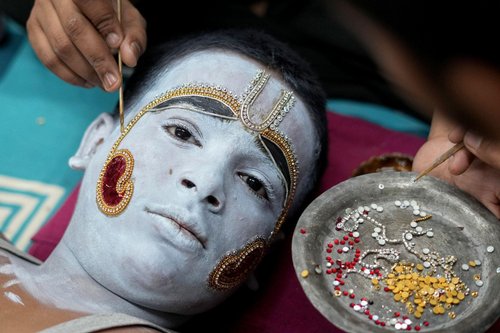
Male actors playing female roles were a familiar trope across global theatre, from Europe to Japan and China. In Bengal, the form flourished in jatra - a rural, open-air spectacle of music, myth and melodrama that often rivalled cinema in reach, though not in rewards.
A new book, 'Chapal Rani: The Last Queen of Bengal,' by writer Sandip Roy, traces Bhaduri's journey from stardom to obscurity...
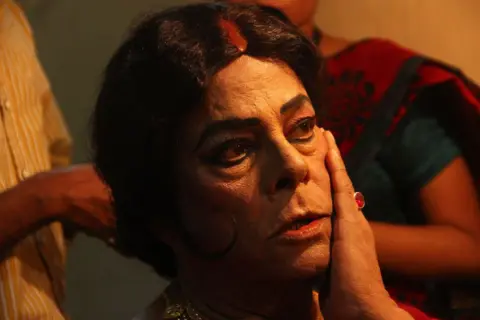
Bhaduri transformed on stage, playing queens, courtesans, goddesses and brothel madams with a studied grace. His performances were not comic turns or caricatures; they were immersive and often deeply felt, challenging societal norms.
Bhaduri, now 88 and living in a retirement facility, serves as a poignant reminder of the complexities surrounding identity and culture. His story, combined with the theatrical traditions of jatra, poses critical questions about memory and recognition in the realm of performing arts.
Roy asserts, Chapal morphed into a woman and played his roles with honesty and an act of bravery, positioning Bhaduri as an icon of resilience and artistry in the face of societal change.