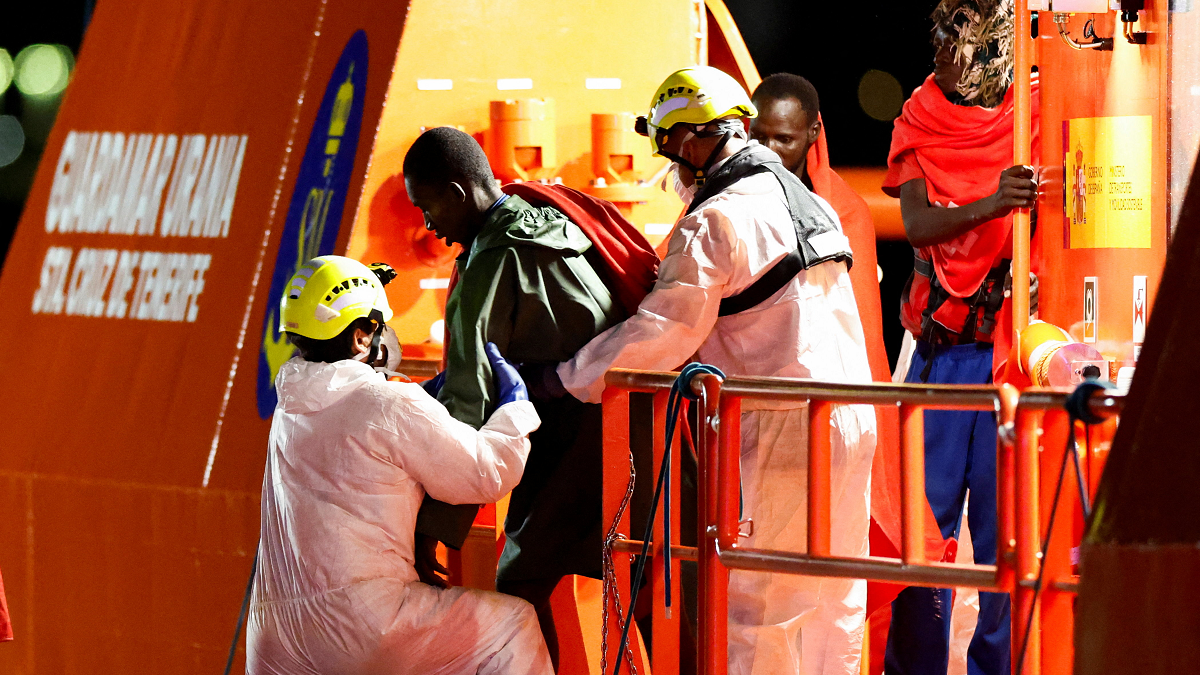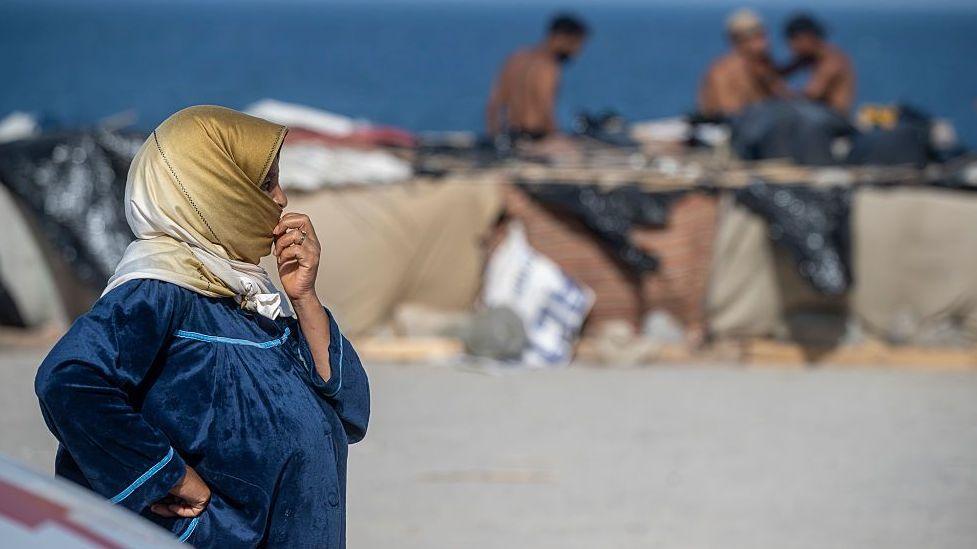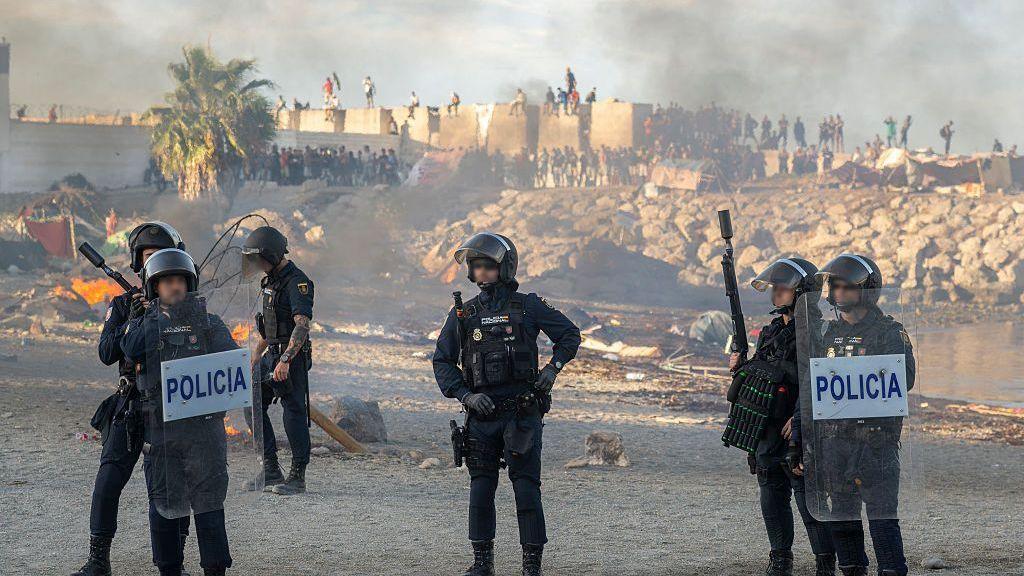
Ceuta’s mayor‑president announced on the European Parliament that between 3,000 and 5,000 migrants still remain in the Spanish enclave after a surge of thousands arrived from Morocco last week.
Juan Jesús Vivas expressed profound sorrow over the 100 deaths that occurred during the chaotic arrivals, highlighting the tragedy as an “irreparable” event for the region.
The Spanish government has deployed armed forces to both Ceuta and Melilla, a move praised by the EU Commission for its speed, yet local leaders accuse the national government of slow and insufficient response.
Vivas noted that the return of approximately 75,000 migrants to Morocco had only partly eased the situation, with the territory still “in a humanitarian emergency” and public order disrupted.
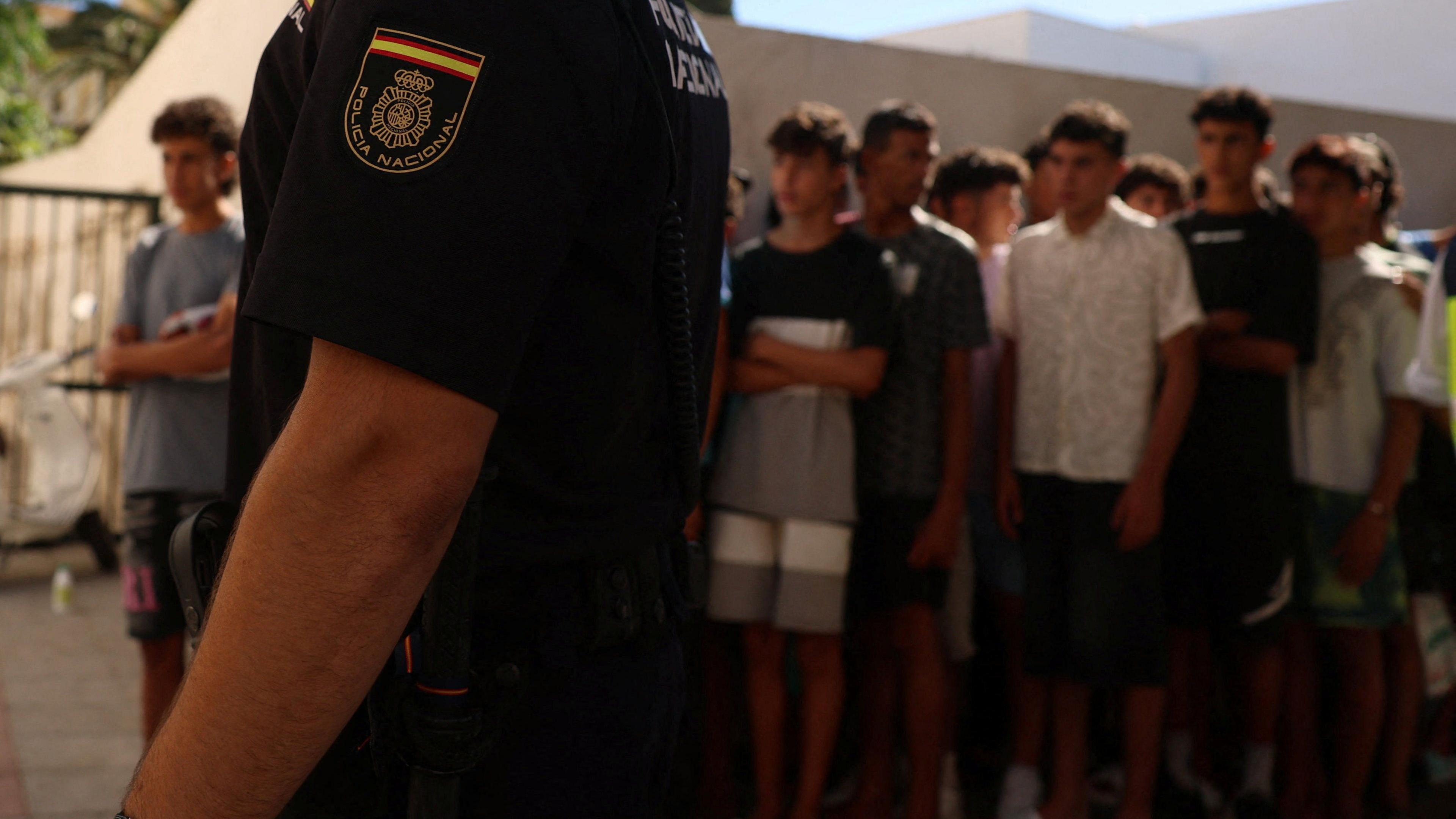
Spanish interior minister has pledged €25 million to aid children in Ceuta, though volunteer groups report nearly 4,860 migrant children registered—double the official count—remained in the enclave.
With no children transferred to mainland Spain, local right‑wing authorities are hesitant to accept them, citing unsustainable conditions in the city.
Morocco blames the Supreme Court’s ruling that prohibits summarily returning migrants to Morocco, arguing the legal decision weakened deterrence and opened a mass crossing opportunity.
EU Migration Commissioner Magnus Brunner blamed criminal networks for spreading misinformation that encouraged the mass crossings, a claim echoed by Prime Minister Pedro Sánchez.
The incident sparked diplomatic rifts, with Italy suspending its Schengen arrangements with Spain and the Czech Republic calling for a temporary suspension of Spain’s membership.
Brunner urged the EU to leverage visa policy and trade to secure Morocco’s cooperation on migration, while Spain’s interior minister worked to prevent further border violations.