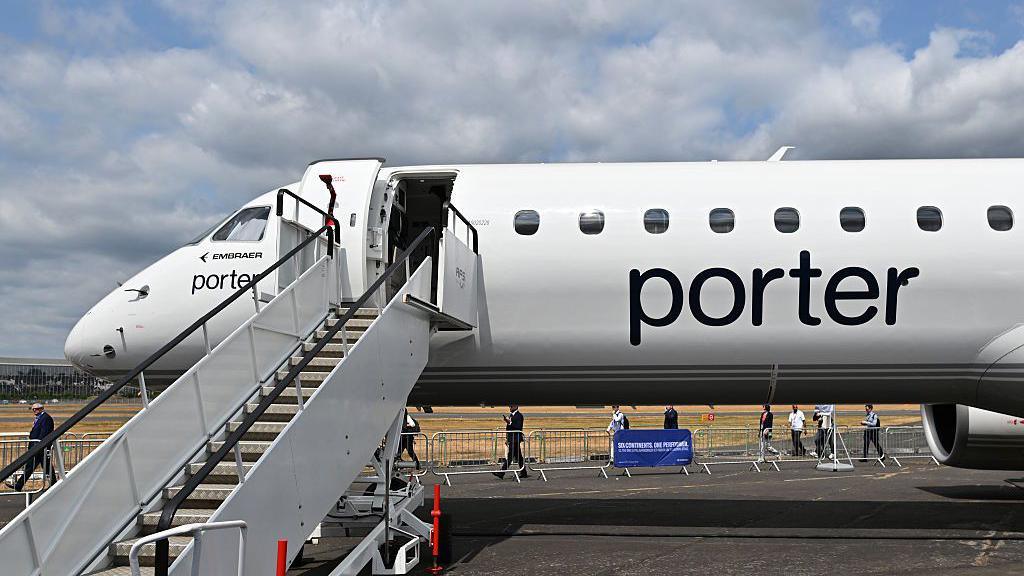
On 6 August, Porter Airlines had to return a flight from Victoria to Toronto to the terminal after a young child refused to fasten her seat belt. The crew deemed the aircraft unsafe for take‑off in that condition and elected to have the passenger disembark. The flight could not depart before midnight when the runway closed, forcing all passengers onto a next‑day flight.
The incident has reignited a debate over how airlines should treat families and how parents should enforce airline guidelines. Aviation safety experts point out that an unrestrained child can become a “projectile,” especially during abrupt movements. In similar cases, airlines have removed families from flights or grounded them to avoid risk.
Some commentators on social media argue that the parent’s “gentle” approach—allowing a nervous child to remain loose—led to the peril. Others note that children may simply fear flying and the parent may not intend to be disruptive. In 2018, a family was ejected from a Southwest Airlines flight after a similar dispute, sparking accusations of a lack of humanity toward children.
Porter Airlines’ crew, according to the company, made extensive attempts to address the situation. They concluded that safety required return to the gate. The airline’s decision was echoed by a child aviation safety expert who said that unrestrained passengers pose a risk comparable to unsecured luggage.
The heightened public scrutiny demonstrates how policy, parent style and passenger safety intersect on modern airliners. Airlines will likely be called upon to clarify protocols that safeguard all travellers while respecting the anxieties of young passengers.