Background
The Cockroach Janta Party, a satirical youth movement, emerged after a comment by India’s chief justice that labelled unemployed young people as “cockroaches.” Since then, it has grown into a formidable protest force demanding reforms in the education sector and the resignation of education minister Dharmendra Pradhan, who faces accusations over leaked exam papers.
Incidents in Delhi
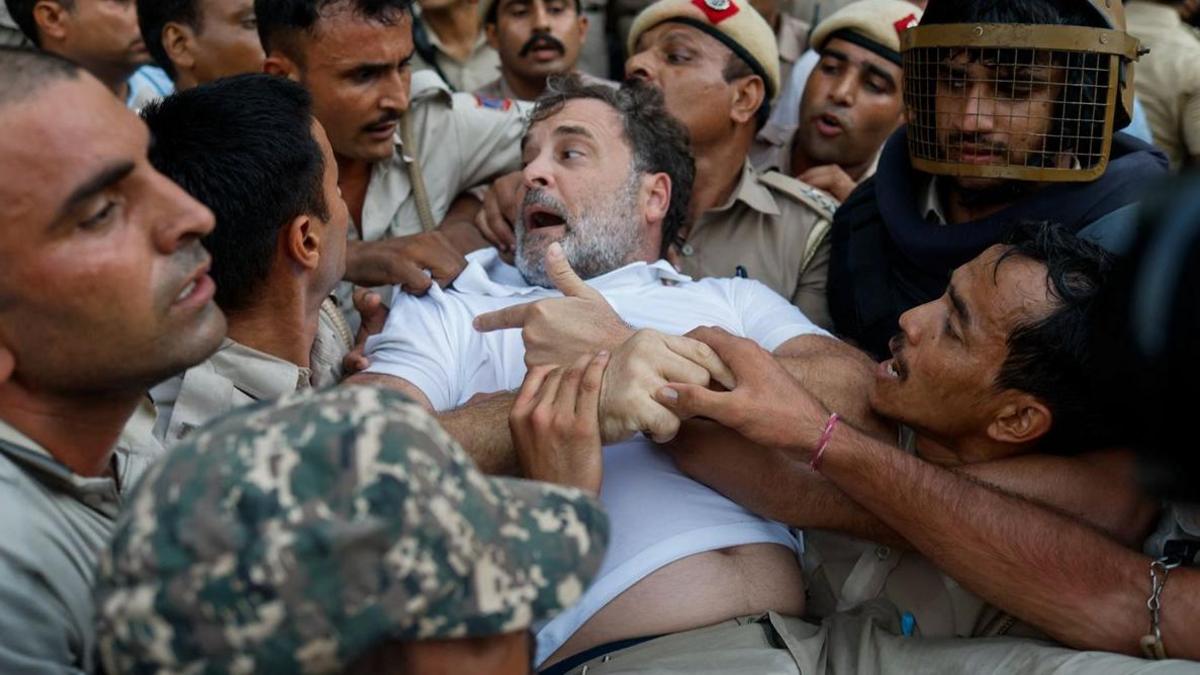
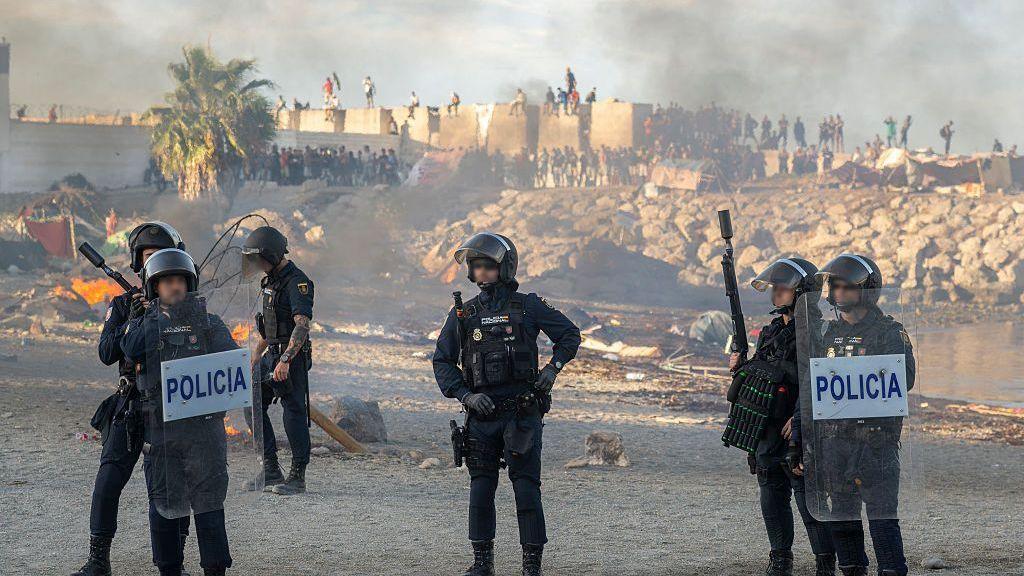
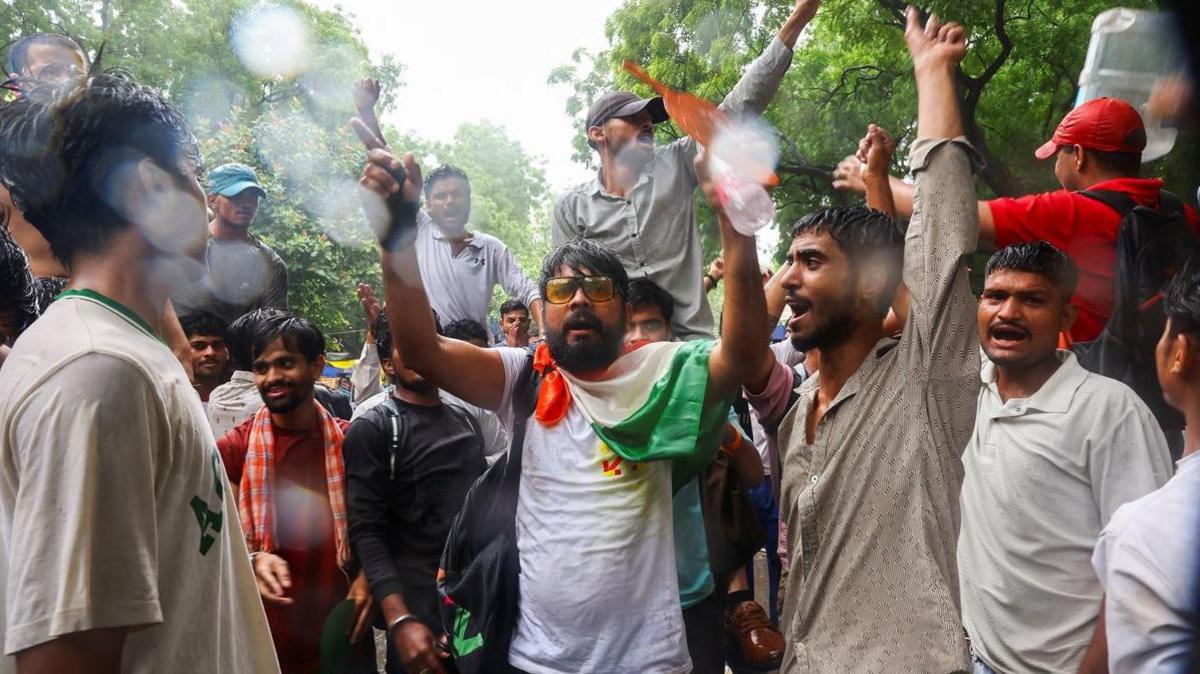
On 20 July, tens of thousands flooded central Delhi as CJP called a march to Parliament. Police used batons and tear gas, injuring over 60 people while dismantling the protesters’ makeshift stage at Jantar Mantar. Despite the crackdown, demonstrators maintained a round‑the‑clock sit‑in, refusing to leave the historic site.
Political Reactions
Opposition leaders, including Rahul Gandhi and Congress president Mallikarjun Kharge, staged a surprise march outside Prime Minister Modi’s house to demand ministerial resignations and an apology for the police assault. Rajiv Singh, speaking on X, criticized the Congress for “exploiting students as political tools” and called for constructive debate, which he said was lacking from the government.
National Spread
The CJP’s influence has spread beyond Delhi, with protests erupting in Mumbai, Hyderabad, Bengaluru and Ahmedabad. Activist Sonam Wangchuk joined the sit‑in on 28 June, sparking a hunger strike for unfulfilled reforms. His subsequent removal by police drew international attention to the movement’s struggle.
Current Status
While the CJP remains unofficial, it has become a prominent outlet for dissent in India, drawing significant media coverage and international scrutiny. The government’s refusal to accommodate peaceful debate has only amplified pressure, leaving the future of India’s educational policies in a state of uncertainty.