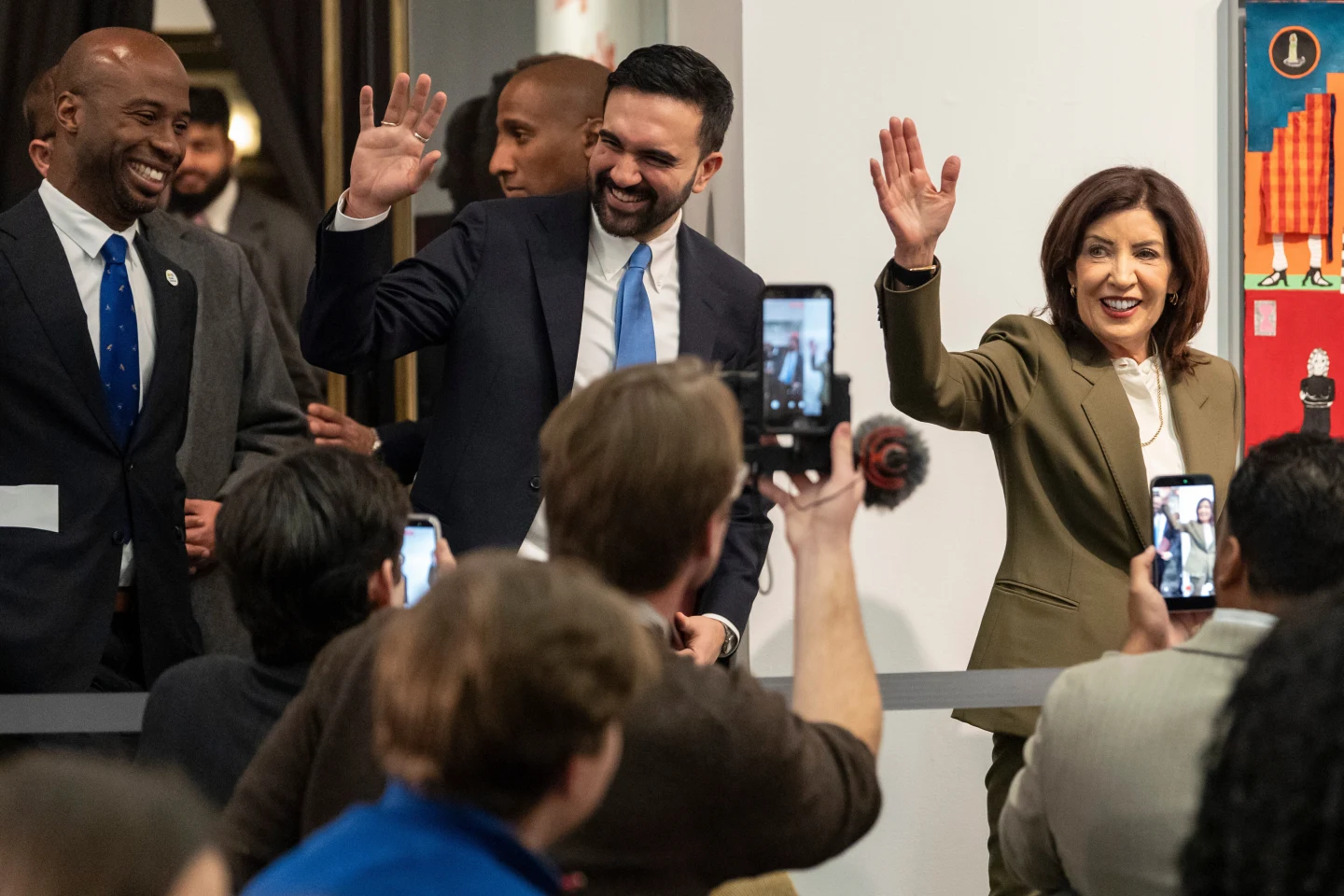
NEW YORK (Quanta Report) — Bronx tenants gathered recently in a packed ballroom to share harrowing accounts of their living conditions during a city-sponsored rental hearing aimed at addressing tenant grievances. With city officials, including Mayor Zohran Mamdani, present, the forum allowed frustrated renters to voice their concerns directly.
Among those present was Gulhayo Yuldosheva, who expressed worries that mold in her apartment was aggravating her child's asthma symptoms. Nearby, another resident, Marina Quiroz, showcased a video capturing rats scurrying through her kitchen to illustrate the pest problem they faced.
The heated assembly was framed by Mamdani as a crucial step towards more robust tenant advocacy and accountability, emphasizing that tenants' stories would drive the city's agenda to enforce housing laws and hold negligent landlords responsible.
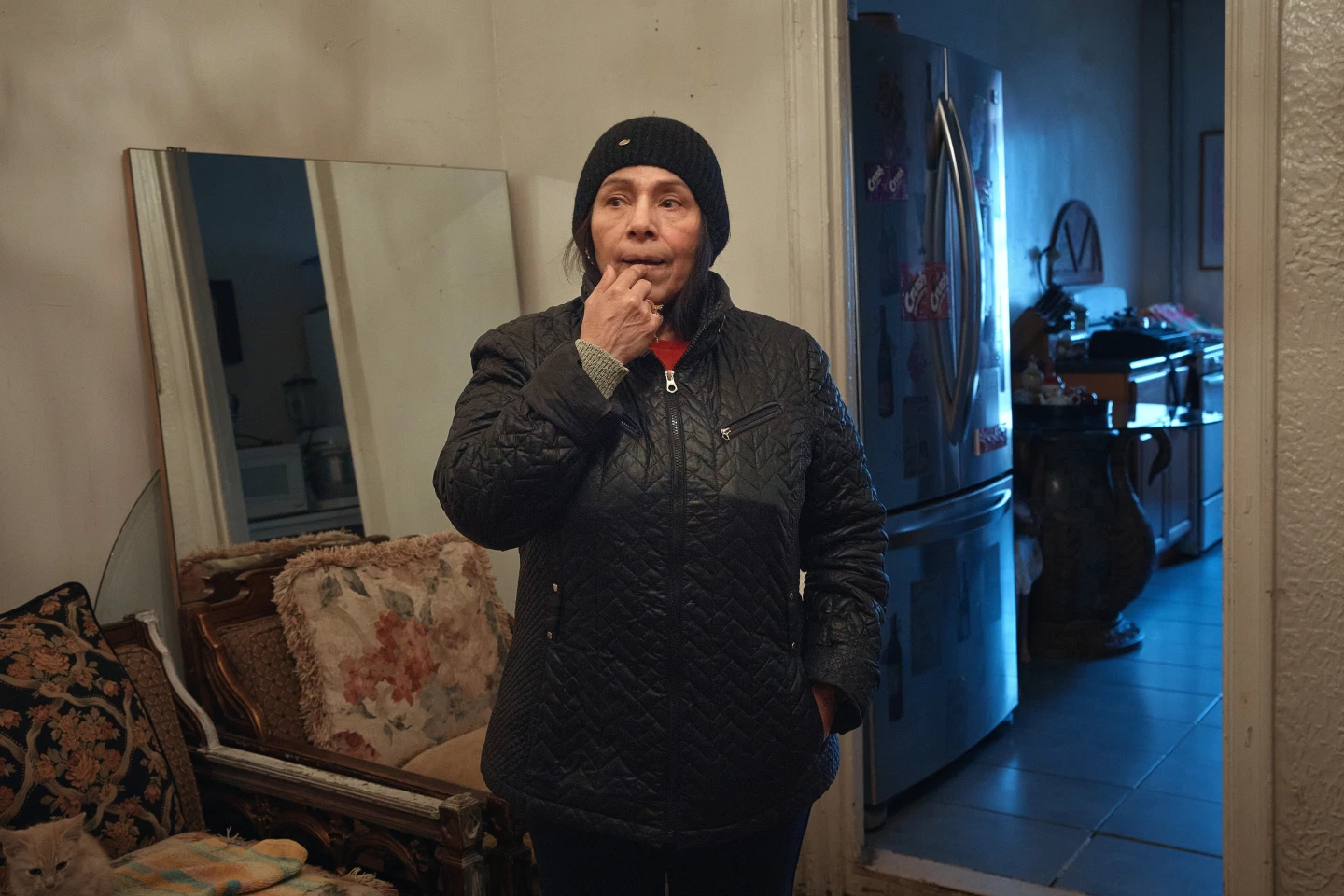
For many residents, including Ann Maitin, a retired Verizon technician who has been actively involved in forming the building’s tenant association, the fight for transparency has proven challenging. It seems so basic to ask who owns our building, yet we face obstacles at every turn, she lamented.
Tenant frustration is compounded by the pervasive practice among corporate landlords to obscure their identities behind limited liability companies (LLCs). This complexity not only clouds the issue of accountability but also makes it harder for the city to target owners who neglect safety protocols.
Identifying these landlords is crucial for enforcement, yet the anonymity provided by LLCs often shields them from repercussions, making it harder for both the city and tenants, explained Oksana Mironova, a housing policy analyst.
The living conditions within the building are desperate. Regular outages of heat and hot water lead tenants to keep the city’s complaint hotline on speed dial. One resident, Tommy Rodriguez, described nightly descents down the stairwell in lieu of a functioning elevator, underscoring the dire state of repair and maintenance.
As distressing as these conditions have become, a recent incident following the partial collapse of another Bronx building provided a clue about the ownership of the troubled property. Evidence pointed towards David Kleiner as a stakeholder linked to the management, raising concerns due to his previous inclusion on the city's worst landlord list.
In the face of mounting complaints, officials are urging a shift in strategy. Mamdani proposed a tougher approach that might include taking over buildings with chronic violations similar to how the city handles unsanitary restaurants. However, the efficacy of these proposals remains uncertain as tenant groups continue to seek clarity and proactive solutions.
As the meeting concluded, tenants like Maitin felt a mix of hope and skepticism, lamenting that while their voices were finally heard, tangible results are yet to be seen. They might just be putting on a show to placate us, she remarked.
Despite the obstacles ahead, the gathering represented a pivotal moment for many Bronx residents, who expressed optimism that their shared plight might catalyze serious action against irresponsible landlords and improve their living conditions.