In brief
Actor Imran Khan, holding an Overseas Citizen of India (OCI) card, was directed to exit India following his participation in a youth‑led protest calling for the resignation of the country’s chief election official. The police cited violation of protest laws, while Khan’s lawyer argues the OCI card does not preclude him from public demonstrations and that the order is drastic. Although the actor faces legal challenges, he continues to defend his right to protest as a citizen living in Mumbai and has highlighted concerns over restricted freedom of movement. The incident underscores the growing tensions between India’s political authorities and the GenZ‑led Cockroach Janta Party’s demand for electoral reform. Meanwhile, Khan plans to return to film work with a new Netflix release after a decade-long break.
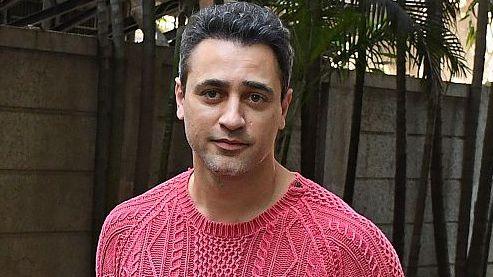
Actor Imran Khan, nephew of Bollywood star Aamir Khan, has been ordered by Indian authorities to leave the country by 28 October after participating in a protest calling for electoral reforms.
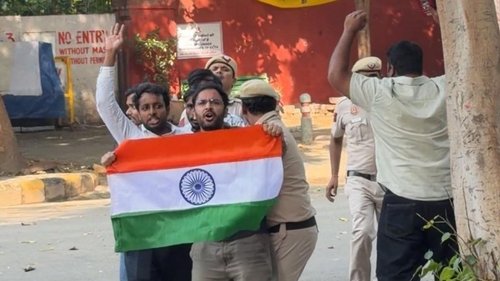
Khan, who holds an Overseas Citizen of India (OCI) card, is allowed to travel to and stay in India but cannot vote or contest elections. He joined the agitation at Mumbai's August Kranti Maidan, demanding that Chief Election Commissioner Gyanesh Kumar step down, according to police statements.
Khan’s lawyer, however, is preparing to challenge the order in the Bombay High Court, arguing that OCI cardholders are not prohibited from protesting. The lawyer also points out that no law or rule specifically bars such activism for visitors with OCI status.
The police claim that the Foreigners' Regional Registration Office (FRRO) served Khan a notice for violating protest laws. Khan’s attorney, meanwhile, has labelled the notice as “drastic” and highlighted the lack of legal basis for it.
Khan first appeared in the Bollywood scene as a child actor in the late 1980s and early 1990s, notably in films like Qayamat Se Qayamat Tak and Jo Jeeta Wohi Sikandar. He later rose to prominence as a lead actor with the 2008 film Jaane Tu… Ya Jaane Na, and has since starred in titles such as I Hate Luv Storys and Mere Brother Ki Dulhan.
The warning to leave the country comes on the heels of Khan’s return to acting this year, starting with a new Netflix film that he is set to release after a hiatus of more than ten years.
The protest that prompted the ban was organized by the Cockroach Janta Party (CJP), a youth‑driven movement demanding reforms and the resignation of the election chief amid allegations of vote fraud. The CJP’s campaign has attracted thousands of demonstrators across Delhi, Mumbai and other parts of India.
Khan faced a brief detention by police after the protest, a moment he shared on Instagram with a photo from a police detention van that earned over two million likes. He explained that he had joined the protest not as an official representative of any group but as a resident of the city and a citizen concerned about freedom of expression.
The incident illustrates the broader clash between India’s political leadership, which has dismissed the CJP’s claims, and the growing activism among GenZ cohorts pushing for greater transparency in the electoral process.