In brief
Bad Bunny's recent Super Bowl halftime show marked a historic moment not only for him but for Puerto Rico. With a set reflecting Puerto Rican culture and deeply-rooted themes relevant to the island's struggles, his performance transcended entertainment, becoming a symbol of unity and resilience. Analysts highlight how his music serves as a voice for Puerto Ricans and how his achievements inspire those who share his background. The show was not just a visual spectacle; it was a profound exploration of identity, culture, and the Puerto Rican experience.
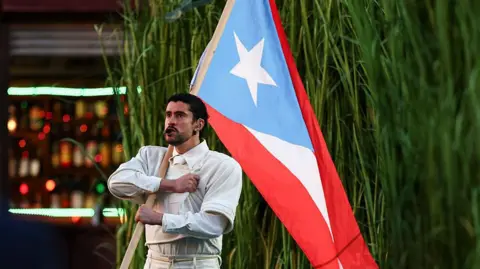
As a fellow Puerto Rican, I found Bad Bunny's performance at the Super Bowl deeply personal. Like many others from our island, I grew up packing groceries and navigating life amidst complex cultural dynamics.His historic halftime show was significant not just as a musical milestone but as a powerful representation of Puerto Rican identity. For the first time, an artist performed primarily in Spanish, reaching an audience of over 125 million viewers, showcasing a unique blend of musical genres including salsa and reggaeton.Throughout the performance, he drew from his roots, presenting scenes from Puerto Rican life that resonate with those of us who call the island home. The set was designed to evoke memories of the sugarcane fields, traditional rural homes, and iconic historical sites, weaving a narrative of unity and cultural pride.The lyrics of our shared struggles echoed in his songs, highlighting familiar hardships and hopes. Bad Bunny represents a voice that many Puerto Ricans hear loud and clear, reflecting our realities and aspirations.However, his rise has also sparked conversations about identity and acceptance within the community. While some applaud him as a revolutionary figure, others critique his style and authenticity. This continual dialogue illustrates the complexities of representation, particularly of an island that grapples with its political and cultural standing within the larger U.S. narrative.His music, steeped in pride for Puerto Rican culture, not only entertains but also invites listeners to engage in an exploration of what it means to be Puerto Rican today. The limelight that Bad Bunny has brought to our experiences in the U.S. serves as both a celebration and a call to action, showcasing that our voices can resonate powerfully on global stages.