In brief
Azerbaijan’s Ministry of Education began enforcing a uniform policy that excludes hijabs on 21 September, provoking protests outside schools in Baku and southern districts. The crackdown has seen 37 people detained and prompted the emergence of a digital platform offering free lessons for excluded students. The dispute has ignited a diplomatic row with Turkey, whose leaders denounced the ban as a threat to religious freedom and raised concerns over Azerbaijan’s ties to Israel. "The headscarf will be tolerated," Turkish advisers have written, while Azerbaijan’s president has warned against foreign interference, citing concerns over Iranian influence. The conflict illustrates the delicate balance between secular governance, regional alliances and religious identity in the South Caucasus.
Azerbaijan’s headscarf ban sparks rare protests and sparks a row with Turkey
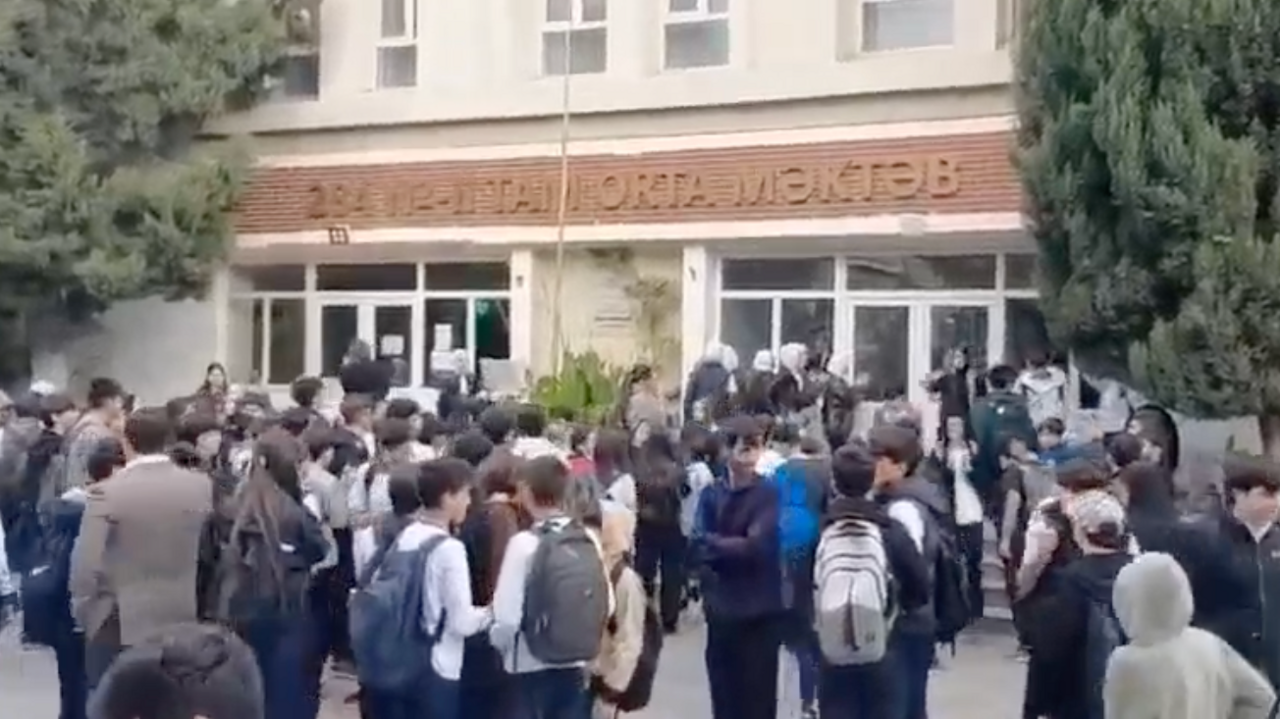
On 21 September Azerbaijan’s Ministry of Education rolled out a new uniform rule that effectively bans hijabs from state schools, sparking unprecedented demonstrations around Baku and in southern districts such as Masally and Jalilabad.
A video that went viral on social media shows a teenage girl in a navy blue Islamic headscarf confronting school staff at a school entrance, demanding to attend school because she can’t give up her religion. A group of female classmates stood behind her, applauding her stand.
Local authorities detained 37 protesters for allegedly obstructing the new rules and violating public order. The interior ministry described the protesters as “grossly violating public order.”
The regulations, approved on 21 September, forbid clothing that contradicts “the principle of secularism in education.” While the rule does not mention hijabs explicitly, it has been interpreted as a ban on them and was expanded to teachers on 6 October.
An online initiative called “Let Leyli Go to School” has emerged, offering free lessons from volunteers for students barred from classes. The platform’s founder was reportedly detained, and his Instagram account was shut down following the protests.
Social media apps such as Instagram and TikTok experienced connectivity issues, prompting users to resort to virtual private networks, while Azerbaijan’s State Service for Special Communications accused a foreign hacker group of attacking over 100 state websites.
The ban has strained Azerbaijan’s relationship with Turkey, a key ally that shares a Turkic linguistic bond but differs in sectarian affiliation. Turkish officials, including adviser Oktay Saral, described the restrictions as “unacceptable,” urging Azerbaijan to reverse the policy.
In response, President Ilham Aliyev warned against “intruding” into Azerbaijan’s internal affairs, asserting that children do not choose religion and are influenced by their families.
The dispute is seen by some as a broader struggle for influence, with Turkish protesters linking the headscarf rules to Azerbaijan’s close ties with Israel, which sells weapons to Baku and imports Azerbaijani oil. The situation illustrates the delicate balancing act Azerbaijan must perform between its secular government, religious identity, and geopolitical alliances.